How Much Does a Mold Inspection Cost in Connecticut?
Most Connecticut homeowners pay about $300 to $800 for a professional mold inspection that includes a visual assessment, moisture readings, and a few air samples sent to a lab. A basic visual inspection without lab testing can cost less, often a few hundred dollars. Larger homes, multi-unit buildings, extra samples, and post-remediation clearance testing push the price higher, sometimes past $1,000. What you are really paying for is an answer to two questions: is there mold, and where is the moisture coming from?
Anthony's Abatement is a family-owned, licensed abatement company based in West Hartford that has been testing and removing mold, asbestos, and lead paint in Connecticut homes and businesses for more than 10 years. Our technicians each bring 10 to 15 years of field experience. We inspect everything from musty fieldstone basements in Hartford to attic mold in shoreline capes, and this guide breaks down what an inspection costs and what should be included.
In This Guide
- Mold Inspection Cost at a Glance: Typical price ranges by service.
- What Changes the Price: The factors behind your quote.
- Inspection vs. Testing: Why the terms matter for cost.
- What a Good Inspection Includes: What your money should buy.
- Are Free Mold Inspections Worth It?: The tradeoffs.
- DIY Mold Test Kits vs. a Professional: What a kit can and cannot tell you.
- When a Mold Inspection Is Worth Paying For: Situations that justify the cost.
- What Happens After the Inspection: Next steps and costs.
- Does Insurance Cover a Mold Inspection?: What to expect.
- Frequently Asked Questions: Quick answers.


Mold Inspection Cost at a Glance
Prices vary by company and property, but most Connecticut quotes fall within these ranges. They are planning numbers, not a quote for your home.
| Service | Typical Connecticut Cost | What It Usually Covers |
|---|---|---|
| Visual inspection only | About $200 to $400 | Walkthrough, moisture readings, findings, no lab work |
| Inspection with air sampling | About $300 to $800 | Visual inspection plus a few indoor air samples and an outdoor control |
| Additional samples | Often $50 to $100 each | Extra air, swab, or tape-lift samples beyond the base package |
| Large home or multi-unit building | About $800 to $1,500 or more | More rooms, more samples, longer site time |
| Post-remediation clearance test | About $250 to $600 | Air and surface testing after mold removal to confirm the area is clean |
Most standard homes in Hartford County land near the middle of the inspection-with-sampling range. The biggest swings come from how many samples are needed and whether the inspector has to access tight spaces like crawl spaces or attics.
What Changes the Price
Two homes of the same size can get very different quotes. These are the factors that move the number:
- Number of samples. Each air or surface sample goes to an accredited lab, and lab fees are a large part of the cost.
- Square footage and layout. More rooms, floors, and separate units take more time to assess.
- Access. Crawl spaces, unfinished attics, and finished basements with hidden walls take longer to inspect properly.
- Type of testing. Air sampling, surface swabs, tape lifts, and bulk samples are priced differently.
- Lab turnaround. Standard results often take a few business days. Rush results cost extra.
- The written report. A detailed report with photos, moisture readings, and recommendations takes more time than a quick verbal summary.
- Travel distance. Companies may charge more for properties far from their base.
Connecticut Homes Add Their Own Variables
Much of Connecticut's housing stock is older, with fieldstone or block foundations, plaster walls, and limited ventilation. Humid summers along the Connecticut River valley and winter condensation in poorly vented attics create moisture problems that are not always visible. An inspector may need to spend more time tracing the source in an older colonial than in a newer build, and that is time well spent. Finding mold without finding the moisture behind it means paying for the same problem again. Two- and three-family homes, common in Hartford, New Britain, and other older Connecticut cities, also cost more to inspect because each unit may need its own assessment and samples.
Inspection vs. Testing
Many quotes use "inspection" and "testing" as if they were the same thing. They are not, and the difference affects what you pay.
What an Inspection Is
A mold inspection is an investigation. The inspector looks for visible growth, water stains, and damage, checks moisture with meters, and often uses thermal imaging to find damp areas behind walls. The goal is to find where mold is growing and why.
What Testing Adds
Mold testing collects samples for a lab. Air samples compare indoor spore levels with outdoor air. Surface samples identify what is growing on a specific spot. Testing is useful when you smell mold but cannot see it, when you need documentation for a sale or a landlord, or when you want proof that remediation worked.
Do You Always Need Lab Testing?
Not always. If you can clearly see mold growing on a wall, testing it will usually just confirm what you already know. In that case, finding the moisture source and planning removal matters more than identifying the species. Testing earns its cost when the problem is hidden, disputed, or needs documentation. Our
mold testing services page explains the types of testing we offer.
What a Good Inspection Includes
A lower price is only a good deal if you get a useful answer. Before you book, ask whether the inspection includes:
- A full visual assessment of the affected areas and likely problem spots, such as basements, attics, bathrooms, and around windows.
- Moisture readings on walls, floors, and building materials.
- Thermal imaging to spot hidden damp areas.
- An outdoor control sample if air testing is done, since indoor results mean little without a comparison.
- Lab analysis from an accredited laboratory.
- A written report with photos, results, the likely moisture source, and clear next steps.
The report is where many cheap inspections fall short. A list of spore counts without an explanation leaves you guessing about what to do next.
Are Free Mold Inspections Worth It?
Some companies offer free mold inspections, especially when they also do remediation. A free visual inspection can be a reasonable way to get a first look and a removal estimate.
What to Keep in Mind
A free inspection usually does not include lab testing or a detailed written report. It is also typically performed by a company that would benefit from finding mold. That does not make it wrong, but it is worth knowing what you are getting. If you need lab results, documentation for a real estate deal, or a second opinion on a large remediation quote, a paid inspection with testing is usually the better choice.
Clearance Testing Is a Different Story
After mold removal, clearance testing confirms the work was done properly. Ask whether it is included in a remediation quote or billed separately, and who performs it. Some homeowners prefer an independent tester for this step.
DIY Mold Test Kits vs. a Professional
Hardware store mold kits cost far less than a professional inspection, but they answer a much narrower question.
What a Kit Can Tell You
Most kits use a settle plate or swab. Because mold spores are present in nearly every home, a kit will usually grow something. That result does not tell you how much mold is present, whether indoor levels are higher than outdoors, or where it is coming from.
What a Kit Cannot Do
A kit cannot find moisture behind a wall, trace a leak, or compare indoor and outdoor air. It also will not hold up as documentation for a landlord, buyer, or insurance claim. If your house
smells musty but you cannot find mold, a kit is unlikely to solve the mystery. A professional inspection is designed to.
When a Mold Inspection Is Worth Paying For
An inspection makes the most sense when there is a real question to answer. Common situations we see in Connecticut include:
- A persistent musty smell with no visible mold. Our guide to what mold smells like can help you describe it.
- Past water damage, such as a leak, flooded basement, or ice dam, even if the area was dried.
- Buying or selling a home, especially an older one with a damp basement or attic.
- Health symptoms that seem to improve when you leave the house.
- Disputes with a landlord or tenant over mold in a rental. See our guide to mold in apartment buildings.
- After remediation, to confirm the problem is gone.
Where Hidden Mold Tends to Show Up
In Connecticut homes, the most common hidden trouble spots are basements and crawl spaces, attics with poor ventilation, and bathrooms without working exhaust fans. Our guides to
basement mold,
testing for mold in a crawl space, and
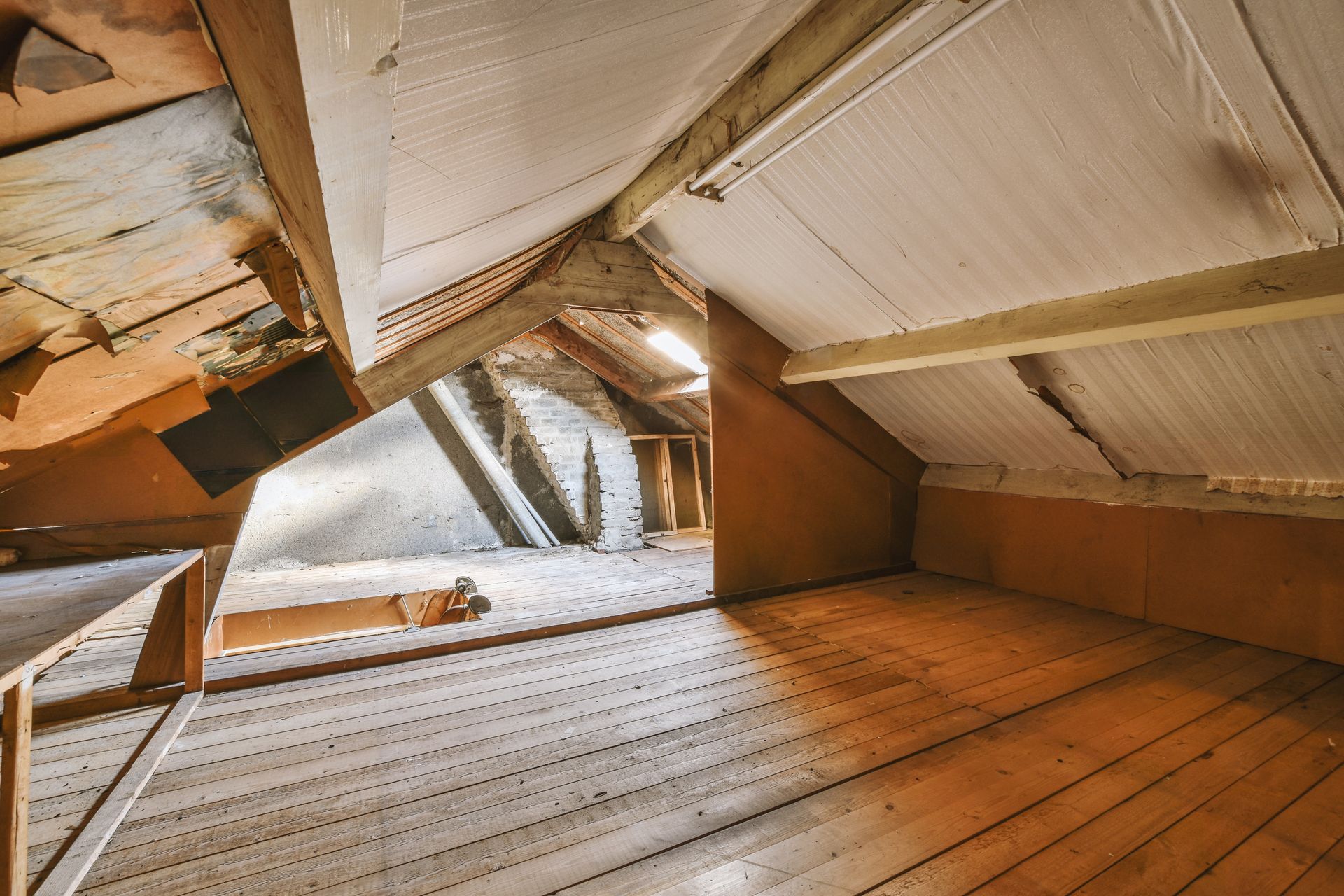
attic mold in Hartford County cover what to look for in each.
What Happens After the Inspection
The inspection itself is usually the smallest cost in dealing with mold. What matters is what the results tell you to do next.
If the Problem Is Small and the Source Is Clear
Sometimes the inspection finds a limited area of growth caused by something simple, like a bathroom fan that vents into the attic or a gutter dumping water against the foundation. Fixing the moisture source and cleaning or removing a small affected area may be all that is needed. A good inspector will say so rather than recommend a large project.
If Remediation Is Needed
Larger or hidden growth usually calls for professional remediation with containment, HEPA filtration, and removal of damaged materials. Remediation is priced separately from the inspection, and the cost depends on the size of the affected area and what has to be removed. Ask for the scope in writing, and plan on clearance testing at the end so you know the job worked. If you are still deciding whether you have a mold problem at all, our guide on
what to do if you suspect mold in your home walks through the first steps.
Does Insurance Cover a Mold Inspection?
Coverage depends on your policy and on what caused the mold. Many homeowners policies cover mold only when it results from a sudden, covered event, such as a burst pipe, and many place limits on mold coverage. Mold from long-term humidity, slow leaks, or lack of maintenance is often excluded. If you are filing a claim, a professional inspection with a written report and lab results can help document the damage. Check your policy and talk to your agent before assuming the inspection will be reimbursed.
Schedule a Mold Inspection With Anthony's Abatement
If you suspect mold but are not sure how serious it is, a professional inspection gives you facts instead of guesses. Our team will inspect the property, test if needed, explain the results in plain language, and tell you whether removal is necessary. If it is, you can learn about our mold removal services. If it is not, we will tell you that too.
Call Anthony's Abatement at (959) 202-2675 or
contact us to request an estimate. We serve homeowners, landlords, and businesses throughout Connecticut.
Frequently Asked Questions
Share this Post
Recent Blog