
Lead Paint Removal Cost: What Connecticut Homeowners Actually Pay
Lead paint removal in Connecticut typically runs from a few thousand dollars for a small, contained project to $20,000 or more for a whole-house abatement, with most homes landing somewhere in between. The final cost depends on how much lead paint you have, where it is, the removal method used, and how much containment and disposal the job requires. Encapsulation (sealing the paint) is usually cheaper than full removal, but it is not always the right choice.
Anthony's Abatement is a licensed lead abatement contractor working throughout Hartford County and Connecticut. We have quoted and completed lead paint projects on homes of every age and size across the state, so we know exactly what drives the price up or down. This guide lays out realistic cost ranges, the factors behind them, and how to plan the project, without the guesswork that leads to sticker shock later.
In This Guide
- The Quick Answer on Cost
- Why Lead Paint Removal Costs What It Does
- The Factors That Drive Your Price
- Removal Methods and How They Affect Cost
- Removal vs. Encapsulation
- Cost by Project Type
- What the Price Includes
- Why You Should Not DIY Lead Paint Removal
- Ways to Manage the Cost
- Get an Accurate Quote in Connecticut
- FAQ
The Quick Answer on Cost
Lead paint costs vary widely because projects vary widely, but here are the realistic ranges Connecticut homeowners see.
Typical Price Ranges
- Small, contained projects (a few components, one room, or trim): a few thousand dollars
- Moderate projects (several rooms, exterior sections, or windows throughout): mid four figures to low five figures
- Whole-house abatement: $10,000 to $20,000 or more, depending on size and method
What Moves the Number
The biggest cost drivers are how much surface area is involved, the method used (removal, replacement, or encapsulation), how much containment and cleanup the job requires, and disposal of the hazardous material. Two homes the same size can differ by thousands based on these factors.
Why an Estimate Requires an Inspection
No responsible contractor can give you a firm lead paint removal price without an inspection. The cost depends on where the lead is, how much there is, and its condition. Testing comes first, which is why we start with
lead paint testing before quoting any removal.
Why Lead Paint Removal Costs What It Does
Lead paint abatement is more expensive than regular painting or renovation for good reasons, and understanding them helps the price make sense.
It Is Hazardous Material Work
Lead is a toxic material, and disturbing lead paint releases dust and chips that are dangerous to breathe or ingest, especially for children. Proper abatement requires containment, specialized equipment, protective gear, controlled removal methods, and careful cleanup. You are paying for a safe, regulated process, not just paint removal.
The dust is the real hazard. Lead paint that is intact and undisturbed poses little immediate risk, but the moment it is sanded, scraped, or broken, it creates fine lead dust that settles on floors, surfaces, and soil. That dust is what harms children and pregnant women. A large part of what you pay for is the containment and cleanup that keeps that dust from spreading through your home during the work.
It Is Regulated Work
Lead abatement in Connecticut is governed by state and federal rules. Licensed contractors follow specific protocols for containment, worker protection, cleanup verification, and disposal. This regulation protects your family and the workers, and it is part of why the work costs what it does. Our certifications page covers the licensing behind the work.
Disposal Is Not Free
Lead waste is hazardous and must be disposed of according to regulations, not simply thrown in a dumpster. Proper disposal is a real line item in any legitimate lead abatement quote.
The Factors That Drive Your Price
Several specific factors determine where your project lands in the range. These are what a contractor evaluates when quoting.
How Much Lead Paint You Have
The single biggest factor is surface area. A few window frames and some trim cost far less than lead paint throughout an entire house inside and out. More surface means more labor, more containment, and more disposal.
This is also why older homes tend to cost more. Homes built before 1978, when lead paint was banned for residential use, often have lead paint on many surfaces: walls, trim, windows, doors, exterior siding, and porches. The more of those surfaces are involved, the larger the project. A partial project targeting only the highest-risk areas costs far less than a comprehensive whole-house abatement.
Where the Lead Paint Is
Location matters. Interior work requires containing the space to prevent dust spread. Exterior work requires protecting the surrounding soil and grounds. Windows and doors are labor-intensive. Hard-to-reach areas cost more to address safely.
The Condition of the Paint
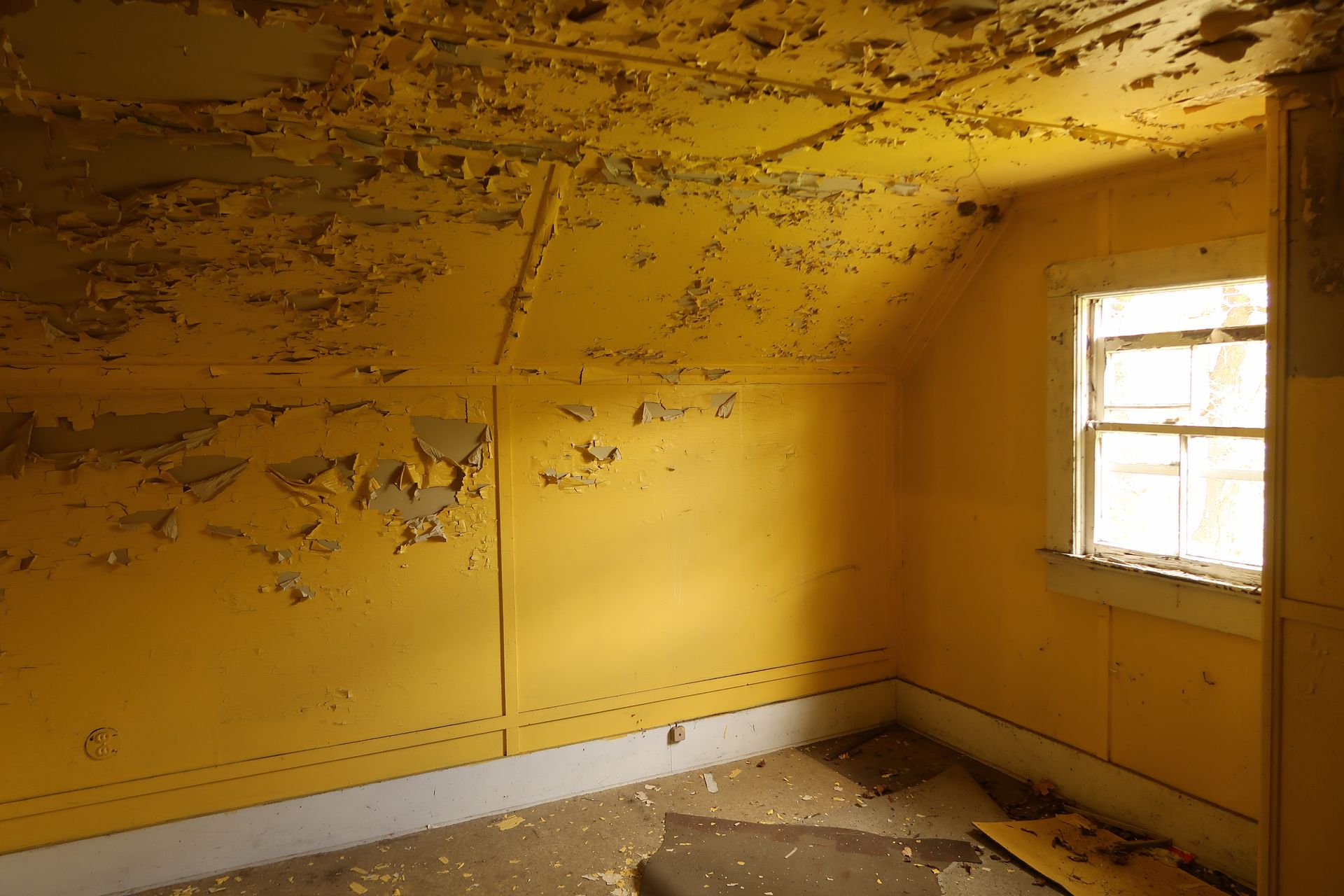
Intact, stable lead paint may be a candidate for encapsulation, which is cheaper. Peeling, chipping, or deteriorating lead paint usually requires removal or replacement, which costs more. The worse the condition, the more involved the fix.
The Method Required
Removal, replacement of the painted component, and encapsulation each carry different costs. The right method depends on the surface, the paint's condition, and your goals, and it has a large effect on the final price.
Containment and Cleanup Needs
Bigger and more sensitive jobs need more extensive containment (sealing off areas, HEPA filtration, negative air) and more thorough post-work cleanup and verification. These protect your home but add to the cost.
Removal Methods and How They Affect Cost
There is no single "lead paint removal" method. The approach chosen shapes the price.
Component Replacement
Sometimes the most cost-effective solution is removing and replacing the painted item entirely, such as old windows, doors, or trim. This eliminates the lead source completely and can be cheaper than carefully stripping paint from an intricate surface.
Wet Scraping and Controlled Removal
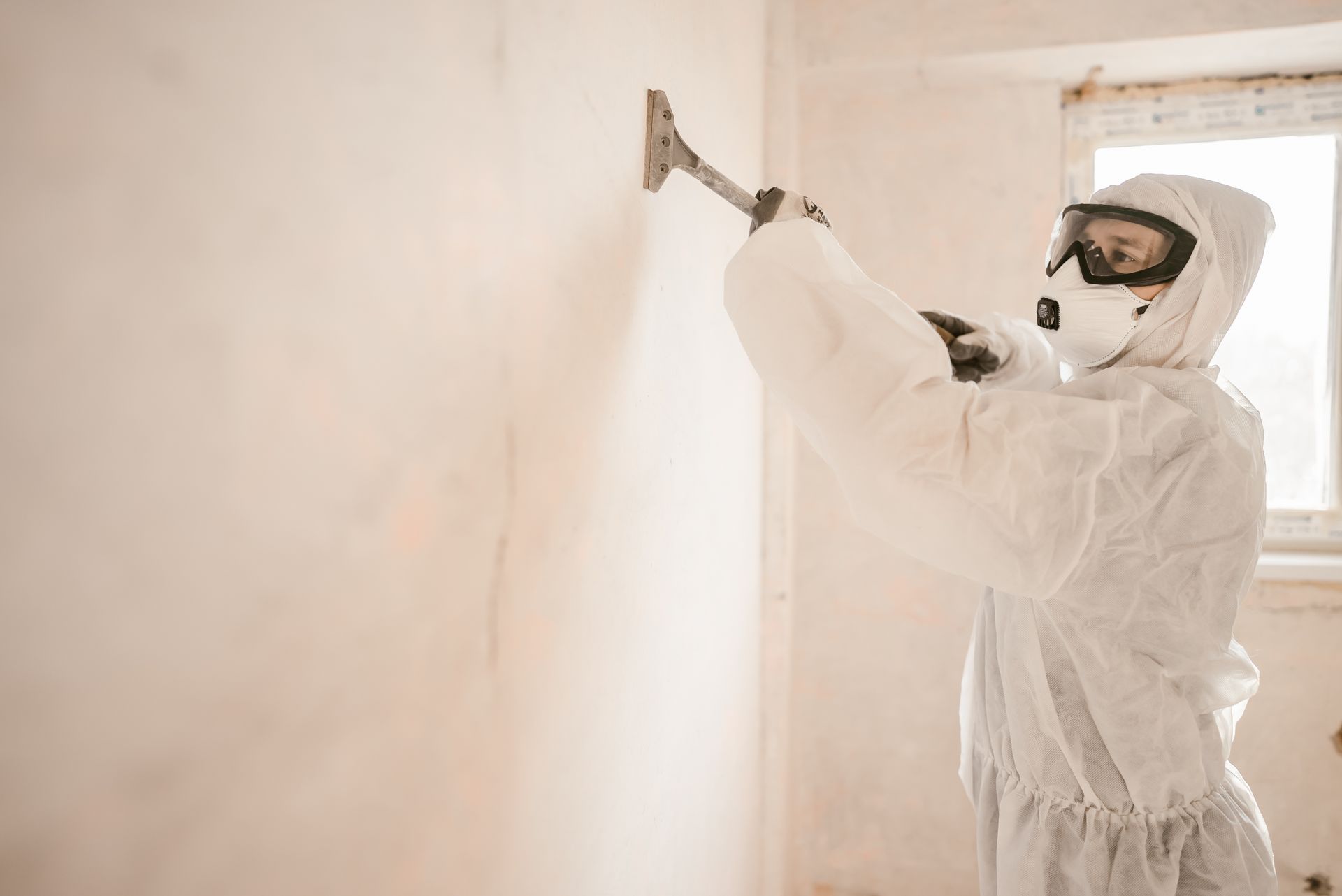
Paint is removed using methods that keep dust down, such as wet scraping, then the area is thoroughly cleaned and verified. This is labor-intensive but sometimes necessary when the component is worth keeping.
Chemical Stripping
Chemical strippers remove paint from surfaces that are being preserved. It is effective for detailed woodwork but is slow and adds labor cost.
Encapsulation
Rather than removing the paint, a specialized coating seals it in place so the lead cannot chip or create dust. It is often the least expensive option when the paint is intact and stable, though it is a management strategy rather than elimination. Our
lead paint removal service covers which method fits which situation.
Removal vs. Encapsulation
This is the most common cost question, so it deserves a direct comparison.
| Factor | Removal | Encapsulation |
|---|---|---|
| Upfront cost | Higher | Lower |
| Eliminates lead | Yes, permanently | No, seals it in place |
| Best for | Deteriorating paint, renovations | Intact, stable paint |
| Longevity | Permanent | Requires monitoring over time |
| Disruption | More | Less |
| Future flexibility | Full (lead is gone) | Limited (coating must stay intact) |
When Encapsulation Makes Sense
Encapsulation is a good fit when the lead paint is intact and not deteriorating, when the surface is suitable for the coating, and when the budget favors the lower upfront cost. It is a legitimate, regulated approach, not a shortcut.
When Removal Is the Better Call
Removal makes more sense when the paint is peeling or deteriorating, when you are renovating and will disturb the surface anyway, when there are young children in the home, or when you want the lead gone permanently rather than managed. It costs more upfront but eliminates the hazard for good.
Cost by Project Type
Different projects fall into different ranges. These give you a rough sense of where yours might land.
Single Component or Small Area
Addressing a few windows, a section of trim, or one small room is the lowest-cost project type, typically a few thousand dollars depending on the method and condition.
Room or Section
Several rooms, a full exterior wall, or all the windows in a home is a moderate project, usually landing in the mid four figures to low five figures.
Whole-House Abatement
Removing or addressing lead paint throughout an entire home, inside and out, is the largest project type, commonly $10,000 to $20,000 or more depending on size, condition, and method. Older Connecticut homes with lead paint on many surfaces sit at the higher end.
Why Ranges, Not Exact Prices
We give ranges rather than exact numbers because the only way to know your real cost is an inspection. Anyone quoting a precise price sight unseen is guessing, and those guesses tend to change once the actual scope becomes clear.
What the Price Includes
A legitimate lead abatement quote covers more than the removal itself. Understanding the components helps you compare quotes accurately.
- Testing and inspection to confirm where lead is and its condition
- Containment setup to seal off work areas and prevent dust spread
- The removal, replacement, or encapsulation work itself
- Protective equipment and safety protocols for the crew
- HEPA cleanup and verification to confirm the area is safe afterward
- Hazardous waste disposal according to regulations
- Clearance testing where required to confirm the job is done right
When comparing quotes, make sure each one includes these. A quote that looks cheaper may be leaving out containment, disposal, or verification, which are not optional for safe, compliant work.
Why You Should Not DIY Lead Paint Removal
It is tempting to save money by handling lead paint yourself, but this is one project where doing it wrong is genuinely dangerous.
Disturbing lead paint without proper containment releases lead dust throughout your home, and that dust is extremely hazardous, particularly to children and pregnant women. Sanding, scraping, or heating lead paint without the right equipment and protocols can contaminate your home far worse than leaving the paint intact would have. The cost of cleaning up a botched DIY lead removal, plus the health risk, dwarfs the savings.
Lead abatement is regulated precisely because the risks are serious. Licensed contractors have the containment, equipment, and disposal channels to do it safely. Our guide on safe lead-based paint removal practices explains why the process matters, and our article on not painting over lead paint covers a common DIY mistake.
There is also the matter of testing afterward. Professional abatement includes verification that the area is actually safe once the work is done, using clearance testing where required. A DIY job has no such check, so you have no way of knowing whether you have made the problem better or dramatically worse. For a hazard that specifically threatens children's development, that uncertainty is not worth the savings.
Ways to Manage the Cost
If lead paint removal is necessary but the cost is a concern, there are legitimate ways to make it more manageable.
Phase the Work
If the whole house does not need immediate attention, prioritize the highest-risk areas first (deteriorating paint, areas children access) and address the rest over time. This spreads the cost across a longer period while handling the most urgent hazards right away. Deteriorating paint on surfaces a child can reach or chew, like windowsills, is the priority; intact paint in low-traffic areas can often wait.
Consider Encapsulation Where Appropriate
Where the paint is intact and stable, encapsulation can be a lower-cost, compliant option. It is not right for every surface, but where it fits, it saves money.
Look Into Financing and Rebates
Some abatement work qualifies for financing or assistance programs, especially where children's health is involved. Our financing and rebates page covers the options that may apply to your project.
Combine With Planned Renovations
If you are already renovating, addressing lead paint at the same time can be more efficient than doing it separately, since some containment and labor overlap.
Get an Accurate Quote in Connecticut
The real cost of lead paint removal depends entirely on your home, which is why an inspection comes before any firm number. A proper evaluation identifies where the lead is, how much there is, its condition, and the right method, and only then can the price be accurate.
Anthony's Abatement provides licensed lead paint testing and removal across Hartford County and throughout Connecticut. We inspect, explain your options clearly, and give you a straightforward quote with no surprises later.
Contact us to schedule an evaluation, or learn more about our
lead paint removal and
lead paint testing services.
Frequently Asked Questions
Share this Post
Recent Blog