Your Crawl Space Has Mold: Now What?
If you have found mold in your crawl space, the right next step is to have it assessed by a professional rather than disturbing it yourself, because crawl space mold is usually a symptom of a moisture problem that needs to be fixed alongside the mold itself. Removal typically involves containing the area, removing or cleaning affected materials, treating the surfaces, and then addressing the moisture source so it does not return. Disturbing mold without proper containment can spread spores through your home, which is why a careful, professional approach matters.
As a licensed Connecticut abatement company, Anthony's Abatement handles mold in crawl spaces, basements, and attics across the state, so we know how these problems develop in New England homes and what it actually takes to resolve them for good. This guide explains what to do next, how removal works, and how to keep mold from coming back, without the sales pitch.
Here are the straight answers first, then the detail.
In This Guide
- What to do first: Your immediate next steps.
- Why crawl spaces grow mold: The moisture connection.
- How crawl space mold removal works: The professional process.
- The removal steps at a glance: Each stage and why it matters.
- Why not to DIY it: The risks of doing it yourself.
- Keeping mold from coming back: Long-term prevention.
- When to call a professional: Knowing when to get help.
- Frequently asked questions: Quick answers to common questions.
What to Do First
Discovering mold in your crawl space can be unsettling, but the immediate steps are straightforward and calm. The goal is to avoid making it worse while you get it assessed.
Do Not Disturb It
The most important first step is to leave the mold alone. Disturbing it, by brushing, scrubbing, or moving materials, releases spores into the air, where they can spread to other parts of your home.
Avoid spending time in the crawl space, and keep the access point closed. If your HVAC system draws air through or near the crawl space, it is worth being mindful that air can carry spores upward into your living areas.
Get It Assessed
The right next move is a professional assessment. A qualified inspector can identify the extent of the mold, confirm what type of problem you are dealing with, and, just as importantly, find the moisture source feeding it.
Testing helps clarify the situation, and our guide on
how to test for mold in a crawl space explains what that involves. An assessment turns an uncertain situation into a clear plan.
Why Crawl Spaces Grow Mold
Crawl spaces are one of the most common places for mold in a home. Understanding why helps explain both the removal and the prevention.
The Moisture Problem
Mold needs moisture to grow, and crawl spaces are prone to it. They are close to the ground, often poorly ventilated, and vulnerable to humidity, groundwater, plumbing leaks, and condensation.
Because a crawl space is dark and enclosed, moisture that gets in tends to linger. That damp, still environment is close to ideal for mold, which is why crawl space mold is so common in New England's humid climate.
Connecticut's seasons make this worse. Humid summers load the air with moisture, while temperature differences between the ground and the air create condensation on cool surfaces, giving mold a steady supply of the dampness it needs to take hold.
It Is Usually a Symptom
Here is the key point: crawl space mold is almost always a symptom of an underlying moisture issue. Removing the mold without fixing the moisture is a temporary fix, because the mold will simply return.
This is why a good removal addresses both. The visible mold is dealt with, and the water or humidity source feeding it is identified and corrected so the problem does not repeat.
How Crawl Space Mold Removal Works
Professional mold removal, sometimes called remediation, follows a careful process designed to remove the mold safely and prevent it from spreading. Here is what it generally involves.
The General Process
While every situation is different, professional crawl space mold removal usually follows these steps.
- Assessment, identifying the mold, its extent, and the moisture source.
- Containment, sealing off the area so spores do not spread during the work.
- Removal, taking out or cleaning affected materials and treating surfaces.
- Drying and cleaning, thoroughly drying the space and cleaning the air.
- Moisture correction, fixing the water source so mold does not return.
Why Containment Matters
Containment is a step homeowners often overlook, but it is central to safe removal. Without it, the very act of removing mold can spread spores throughout the home.
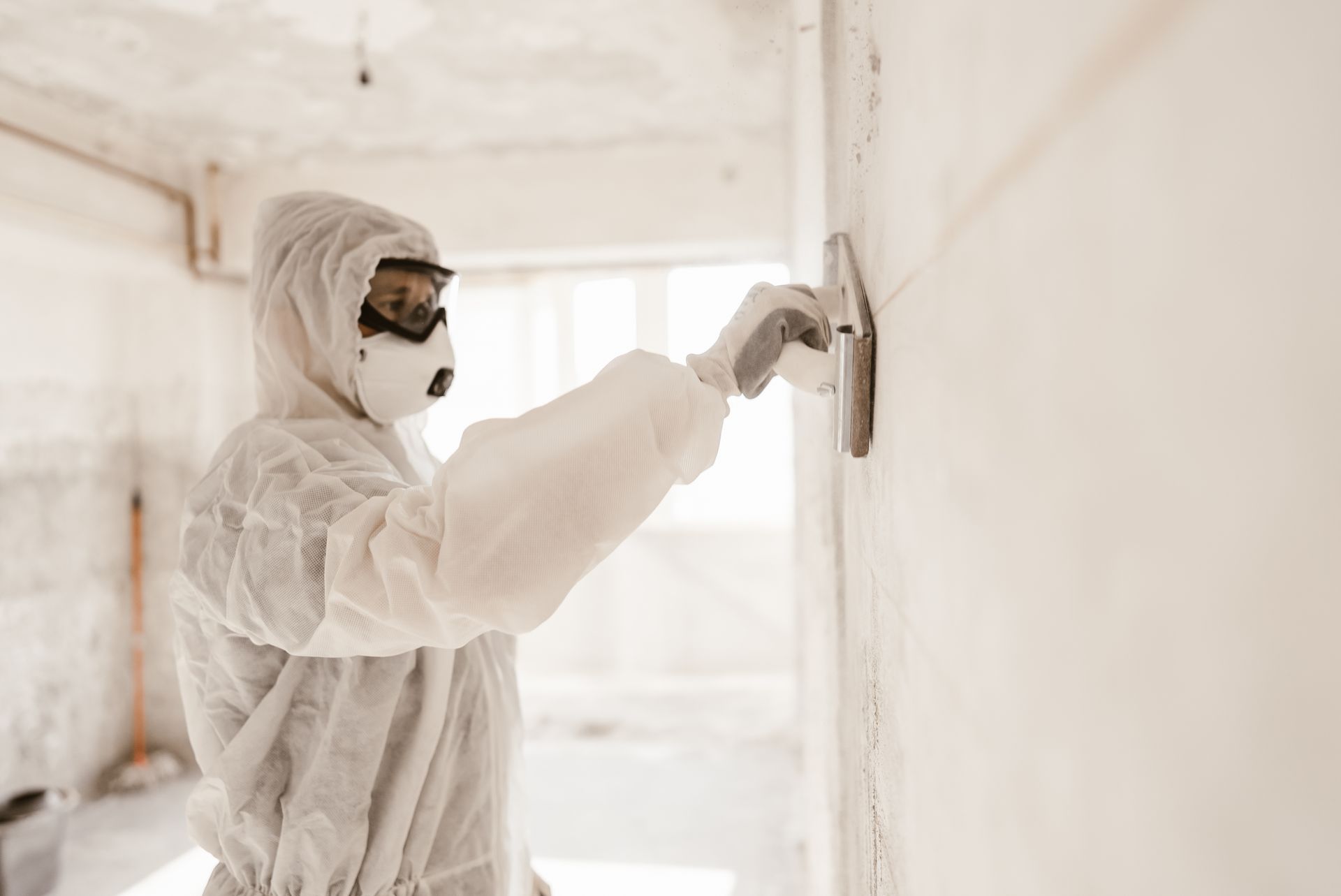
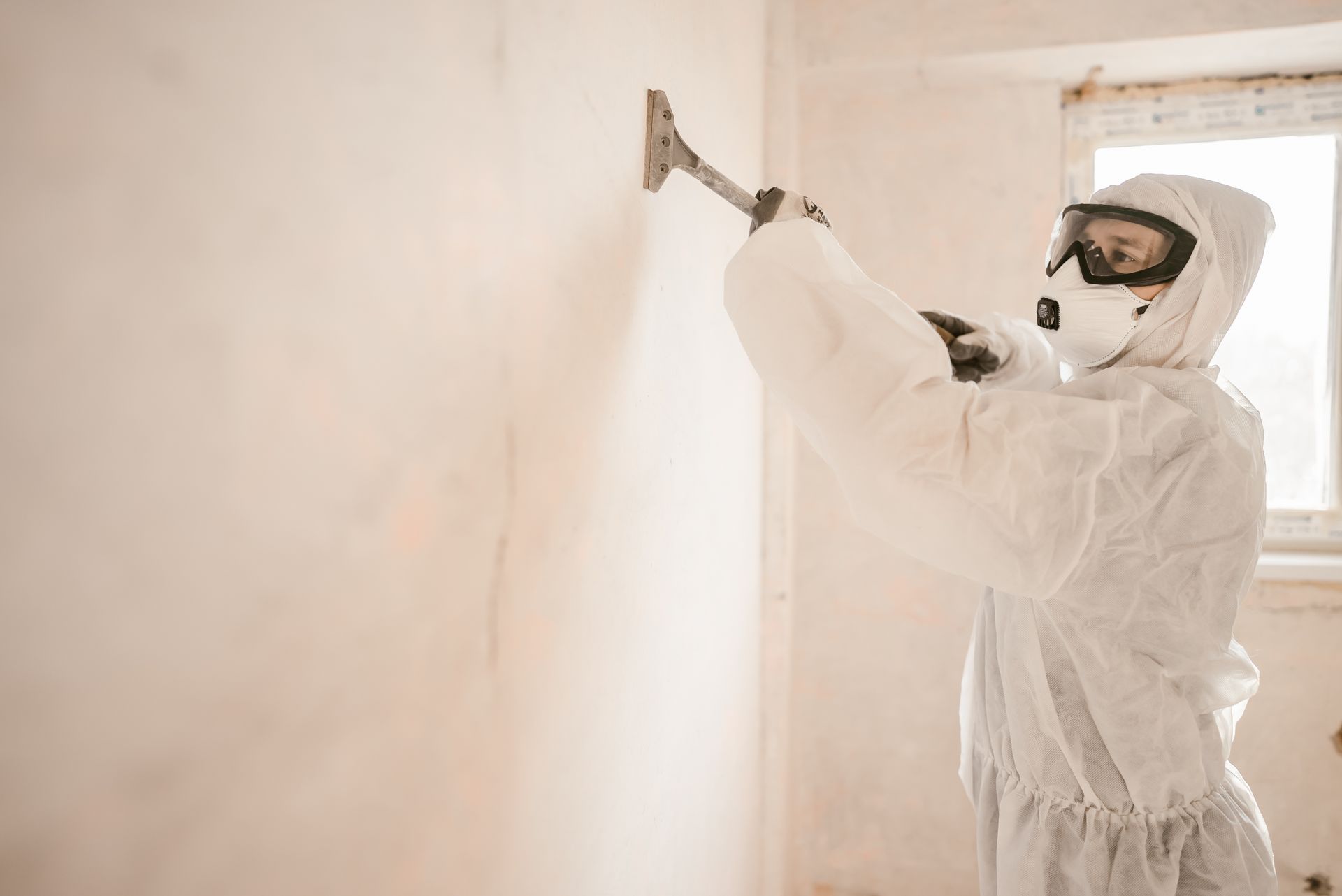
Professionals use containment barriers, controlled airflow, and protective equipment to keep the work area isolated. This is a big part of why professional removal protects the rest of your home in a way that a casual cleanup cannot.
The Removal Steps at a Glance
This table sums up the main stages and why each one matters.
| Stage | What It Involves | Why It Matters |
|---|---|---|
| Assessment | Identify mold and moisture source | Reveals the real problem |
| Containment | Seal off the area | Stops spores from spreading |
| Removal | Clean or remove affected materials | Eliminates the mold |
| Drying and cleaning | Dry the space, clean the air | Removes lingering moisture and spores |
| Moisture correction | Fix the water source | Prevents mold from returning |
Notice that the first and last stages are about the moisture, not the mold itself. That is deliberate, since correcting the source is what makes the removal last rather than being a temporary fix.
Why Not to DIY It
It is tempting to try to handle crawl space mold yourself, but this is one area where doing it yourself often causes more harm than good. Here is why.
The Risks of Disturbing Mold
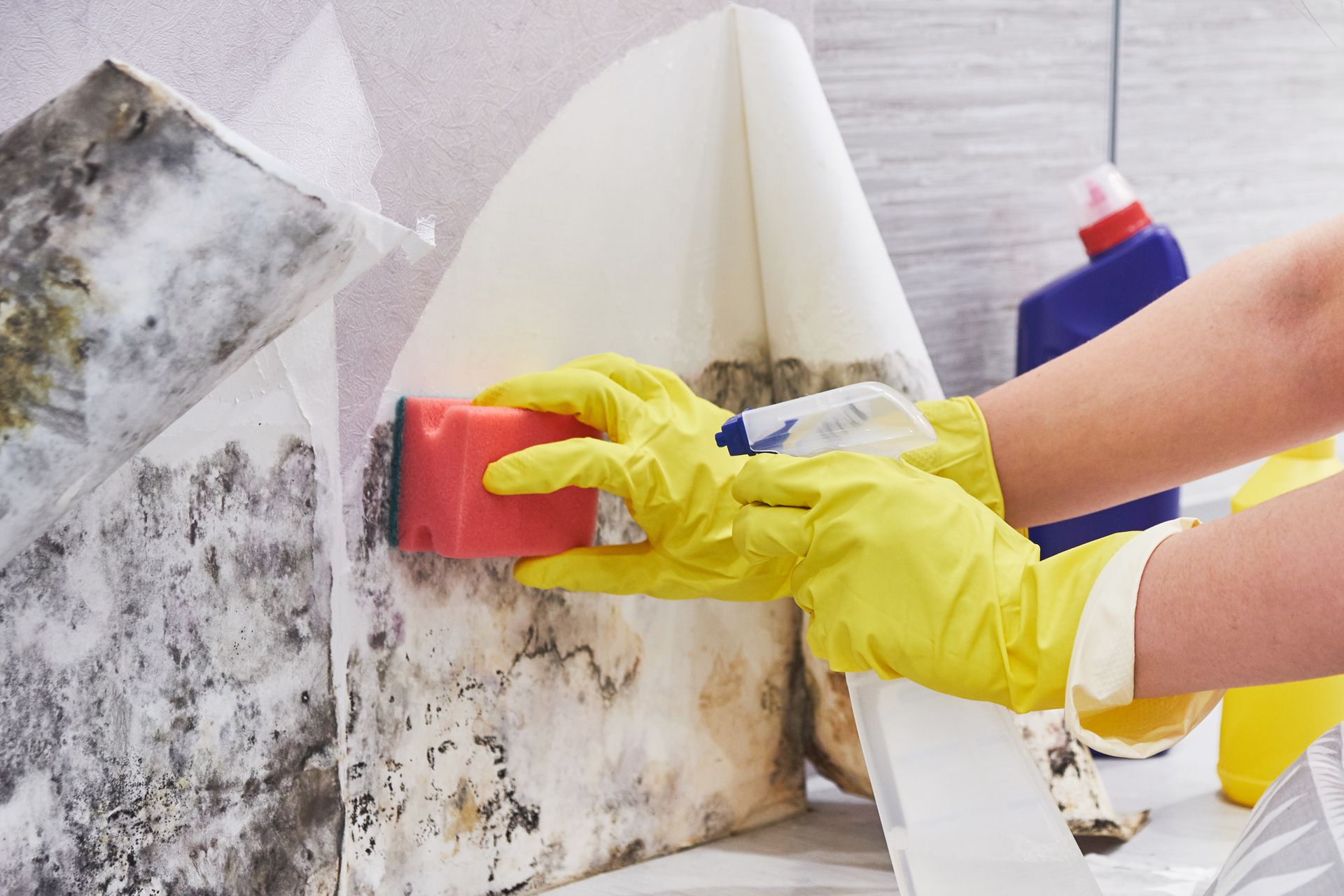
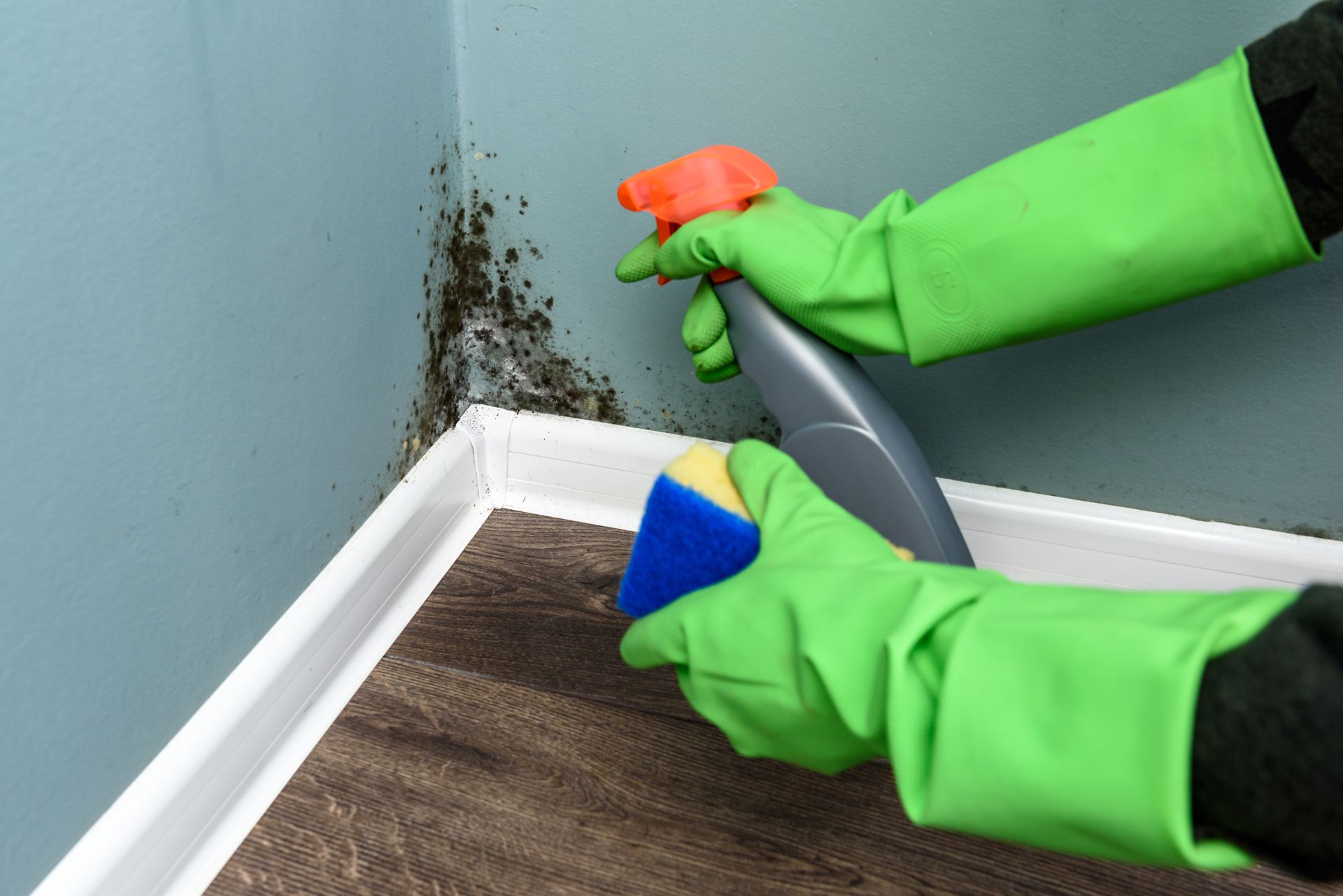
Removing mold without proper containment releases spores into the air, which can spread to living areas and affect indoor air quality. What started as a contained problem can become a whole-house one.
Crawl spaces are also awkward, cramped, and sometimes hazardous to work in, with limited ventilation. Combined with the health considerations of disturbing mold, this makes DIY removal risky.
The Moisture Gets Missed
Beyond the safety issues, DIY efforts usually treat only the visible mold and miss the underlying moisture source. Without correcting that, the mold returns, so the effort is wasted.
A professional approach addresses the whole picture, the mold and its cause, which is what actually resolves the problem. That is the difference between a temporary cleanup and a lasting fix.
There is also the matter of knowing when the job is truly done. Professionals can verify that the mold has been properly removed and the area dried, rather than leaving you to guess, which is easy to get wrong in a space you cannot fully see or reach.
Keeping Mold From Coming Back
Because crawl space mold is a moisture problem, prevention is all about moisture control. Once the mold is gone, these measures keep it from returning.
Controlling Moisture
The key to prevention is keeping the crawl space dry. Several measures help, depending on your home and the source of the moisture.
- Fix leaks in plumbing or from the ground promptly.
- Improve drainage around the foundation to keep water away.
- Add a vapor barrier to block ground moisture.
- Control humidity, sometimes with a dehumidifier or encapsulation.
- Ensure proper ventilation appropriate to your crawl space.
Which of these makes sense depends on your home and the source of the moisture. In many Connecticut homes, a combination of a vapor barrier and humidity control does the most good, but a professional can advise on the right mix for your situation.
Ongoing Awareness
Prevention is not a one-time task. Periodically checking your crawl space for dampness, musty smells, or new signs of mold catches problems early, before they grow.
If you notice a musty odor in your home, that can be an early clue. Our guide on
what mold smells like can help you recognize it, and keeping an eye on basement moisture, covered in our guide on
how to stop mold in a basement, helps too.
When to Call a Professional
Not every spot of mold requires immediate professional help, but crawl space mold usually warrants it. Here is how to think about it.
Signs You Should Call
Certain situations clearly call for a professional assessment and removal.
- A large area of mold, generally more than a small patch.
- A recurring problem that keeps coming back after cleaning.
- A persistent musty smell in your home.
- Known moisture issues like leaks, flooding, or high humidity.
- Any uncertainty about the extent or type of the problem you have.
Getting Expert Help
Because crawl space mold ties into moisture, air quality, and sometimes hidden damage, a professional assessment gives you clarity and a real solution. It also protects your home during the removal itself.
At Anthony's Abatement, we assess crawl space mold across Connecticut and handle removal safely, addressing the moisture source so it does not return. Our mold testing and mold removal services are here when you need them.
As a licensed abatement company, we handle the whole process, from identifying the problem to correcting the moisture behind it, so you are not left piecing it together yourself. An assessment is the simplest way to find out exactly what you are dealing with and what it will take to fix.
Handling Crawl Space Mold the Right Way
If your crawl space has mold, the right response is to leave it undisturbed and get it professionally assessed, because the mold is almost always a symptom of a moisture problem that has to be fixed alongside it. Professional removal contains the area, removes and treats the mold, and corrects the moisture source so it does not come back. Doing it yourself risks spreading spores and usually misses the underlying cause.
At Anthony's Abatement, we help Connecticut homeowners resolve crawl space mold for good, safely and at the source. If you have found mold or suspect a moisture problem, reach out for a straightforward assessment.
Frequently Asked Questions
Share this Post
Recent Blog