
Mold in the Shower: When Is It a Real Problem?
Quick Answer: A little dark staining on shower grout or caulk is common and usually cosmetic. It becomes a real problem when the mold keeps coming back after cleaning, spreads past the grout lines, or shows up with soft tile, a musty smell, or peeling paint outside the shower. Those signs point to a hidden moisture source behind the wall, and that needs a professional look, not another round of scrubbing.
At Anthony's Abatement, we have spent over 10 years testing and removing mold in Connecticut homes and apartments, so we see the difference every week between surface buildup you can wipe away and a leak quietly rotting the wall behind the tile. This guide walks you through how to tell them apart, what shower mold actually does to your health, and when it makes sense to call someone in.
Why Showers Grow Mold So Easily
Your shower gives mold everything it wants in one small space. Warm water, steam, and poor airflow leave surfaces damp for hours after you turn the water off. Mold only needs moisture, a food source, and time, and a bathroom hands it all three.
The food source surprises people. Mold does not eat tile or glass, but it feeds happily on soap scum, body oils, skin cells, and the organic film that builds up on shower walls. That is why the same corner keeps growing mold even after you clean the tile itself.
Time is the last piece. Mold can take hold on a wet surface in as little as a day or two, so a shower that never fully dries between uses gives it a standing invitation. A bathroom that dries out within an hour behaves very differently from one where the walls are still damp by the next morning.
Where Mold Actually Lives in a Shower
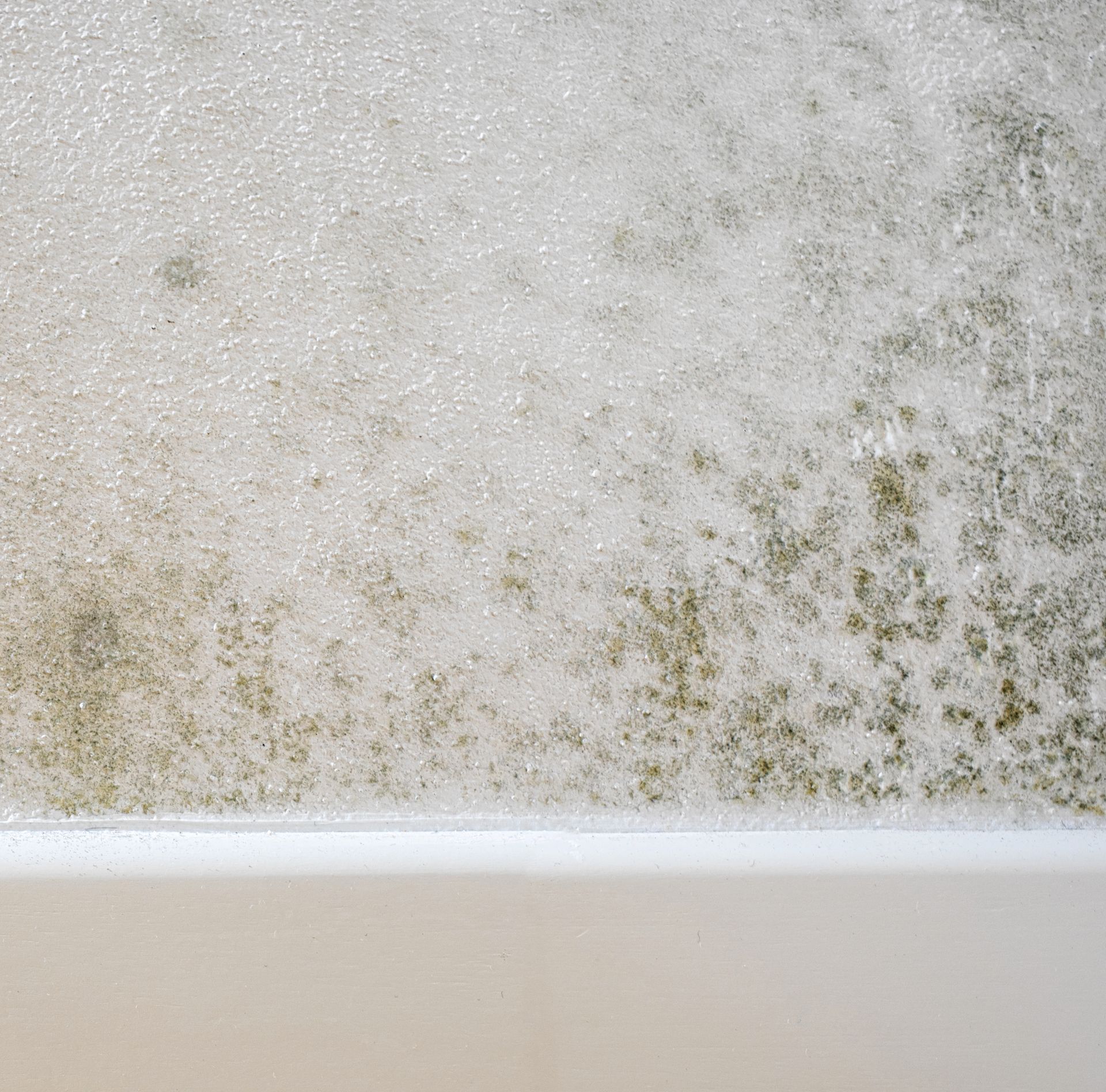
Mold rarely grows on the smooth face of a tile. It settles into the spots that stay wet and hold onto grime, which is why it seems to return in the exact same places.
- Grout lines: The cement between tiles is porous and soaks up water, giving mold a foothold below the surface.
- Caulk and silicone: The flexible bead where the wall meets the tub or floor traps standing water and is one of the most common mold sites.
- Corners and ceiling: Air movement is weakest here, so steam lingers and condensation collects.
- Behind the tile: The one you cannot see, and the one that matters most, which we cover below.
The Connecticut Factor
Older Connecticut housing stock adds to the problem. Many homes and apartments here were built before modern bathroom venting was standard, so the fan is undersized, ducted into an attic, or missing entirely. Humid summers keep indoor moisture high, and tightly sealed homes in winter trap the steam a hot shower produces.
When Shower Mold Is a Real Problem
Here is the part most cleaning articles skip: surface mold on grout and caulk is annoying but low stakes. The problem is not the black speckling you can see. The problem is what that speckling sometimes tells you about the water you cannot see.
Shower mold crosses from cosmetic to serious when it stops behaving like surface buildup. If a good cleaning clears it and it stays gone for months, you were dealing with surface mold. If it returns within a week or two, the surface was never the real source.
Warning Signs It Is More Than Surface Mold
These are the signals that push a shower mold issue into professional territory. Any one of them is worth taking seriously.
- It keeps coming back fast. Recurring mold in the same spot means moisture is feeding it from behind or below.
- Tiles feel soft, loose, or hollow. That points to water damage in the backer board or wall behind the tile.
- A musty smell that cleaning does not fix. Odor means active mold growth you may not be able to see.
- Mold or peeling paint outside the shower. Staining on the adjacent wall, baseboard, or ceiling below suggests water is escaping the shower enclosure.
- Discoloration spreading past the grout. Mold creeping onto drywall or the ceiling is no longer a grout problem.
Reading the Signs at a Glance
Not every dark spot means the same thing. This table lines up what you are seeing with what it usually points to and the sensible next step.
| What You See | What It Usually Means | What to Do |
|---|---|---|
| Dark specks on grout, cleans off, stays gone | Surface mold from steam and residue | Clean and improve ventilation |
| Same spot returns within a week or two | Moisture feeding it from behind the grout | Have the caulk and grout checked |
| Soft or hollow tile, musty smell | Water damage in the wall or backer board | Professional inspection |
| Staining on adjacent wall or ceiling below | Water escaping the shower enclosure | Professional inspection and testing |
Why Hidden Moisture Is the Concern
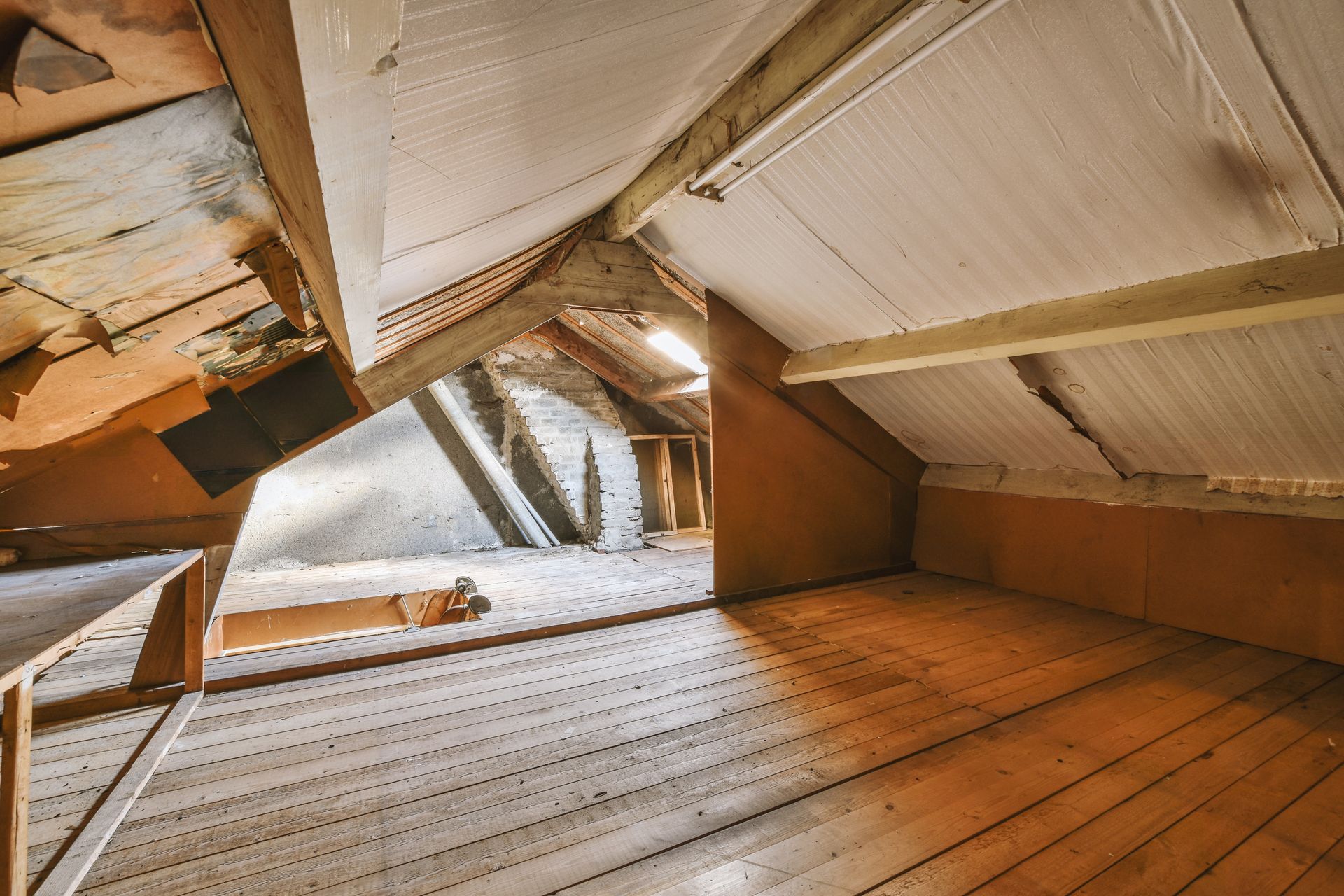
When water gets past the grout or a failed caulk line, it reaches materials that were never meant to stay wet: backer board, drywall, wood framing, and subfloor. Those materials hold moisture and feed mold growth inside the wall cavity, out of sight.
A leaking shower pan or a cracked grout joint can drip into the floor for months before you notice a soft spot or a stain on the ceiling of the room below. By then the fix is no longer a tube of caulk, and the mold behind the wall can be far more widespread than the patch you were cleaning.
This is the difference that matters most for your home and your wallet. Catching a moisture problem while it is still a grout issue is cheap and simple. Catching it after it has soaked into framing and subfloor means removing and replacing materials, and the longer it sits, the more there is to remove. The visible mold is often the smallest part of the story.
Is Shower Mold Dangerous to Your Health?
Shower mold is worth removing, but it helps to separate real risk from the scare stories online. A lot of what gets written about "toxic black mold" overstates the science, and some sites claim links to cancer that public health agencies do not support.
Here is the accurate version. The color of mold does not tell you how harmful it is, and no single species is uniquely toxic based on looks alone. What mold reliably does is trigger allergy and respiratory symptoms in people who are sensitive to it, and those effects are real even if the doomsday claims are not.
Who Is Most Affected
Reactions vary a lot from person to person. The same shower mold that one household ignores can make another household miserable.
Common symptoms in sensitive people include sneezing, a stuffy or runny nose, coughing, watery or itchy eyes, and skin irritation. People with asthma may notice more flare-ups, and those with allergies often feel it first. Children, older adults, and anyone with a weakened immune system tend to be the most vulnerable, so a mold problem that seems minor deserves more attention in those homes.
When Health Signs Point to a Bigger Issue
If your symptoms ease when you leave the house and return when you get home, that pattern is worth noting. It can mean the mold load in your home is higher than a little grout staining would explain, which loops back to the hidden-moisture question. Testing can confirm whether what you are reacting to is limited to the shower or coming from somewhere larger.
That Pink Slime Is Not Mold
One of the most common "mold" calls we get is not mold at all. The pink, orange, or reddish film that shows up on shower walls, curtains, and drains is usually a bacterium called Serratia marcescens, not a fungus.
It feeds on the same soap and shampoo residue mold likes, which is why it favors showers. It wipes away more easily than mold and does not sink into grout the same way, though it comes back if the residue and moisture stay.
Why the Difference Matters
Knowing what you are looking at changes how you handle it. Pink bacterial film is a cleaning-and-ventilation issue and almost never signals a structural problem. Recurring black or dark green growth in grout and caulk is the one worth watching for the deeper warning signs above. If you are not sure what you are seeing, or a spot behaves differently than the rest, that uncertainty is a good reason to have it looked at.
Cleaning It Yourself vs. Calling a Pro
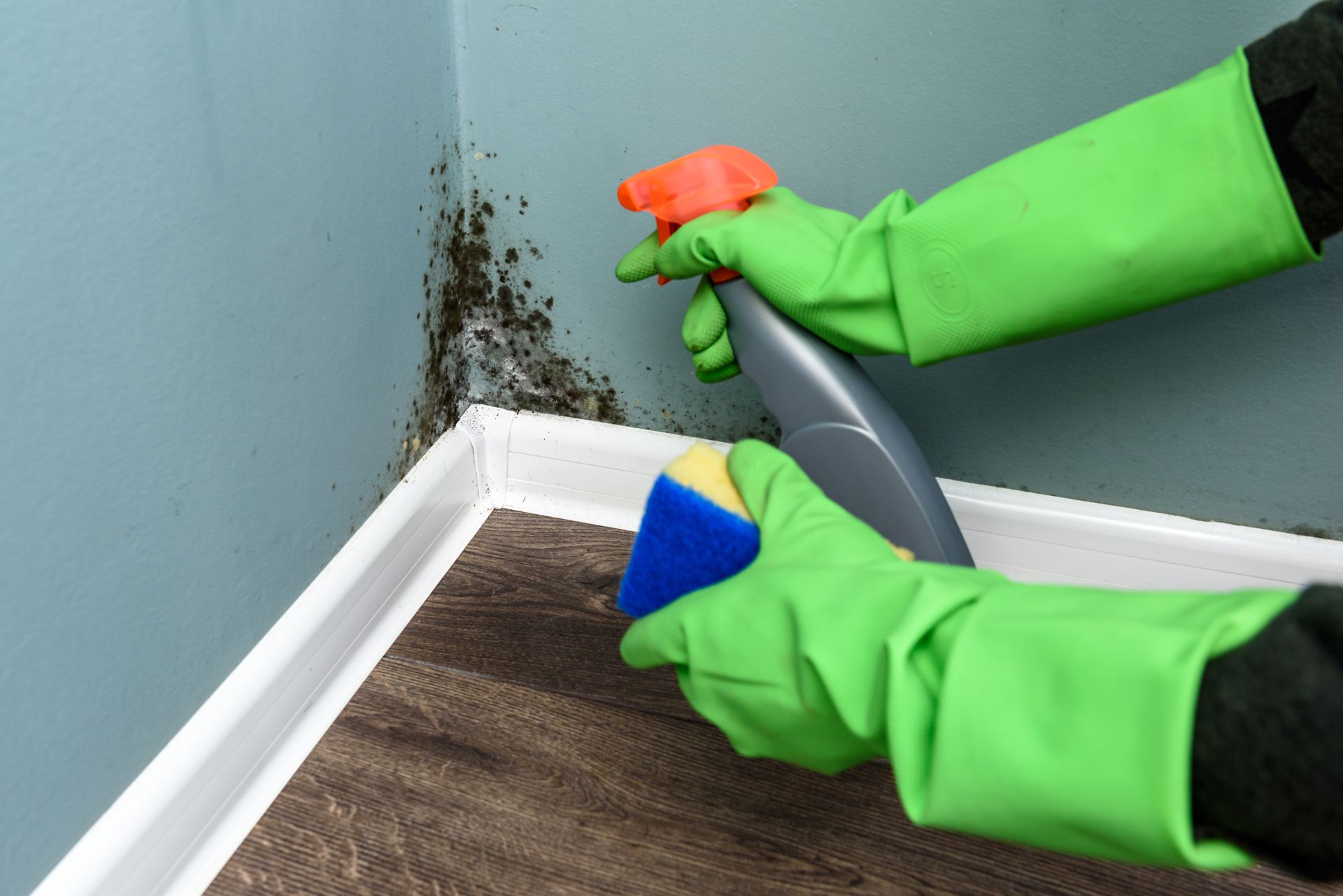
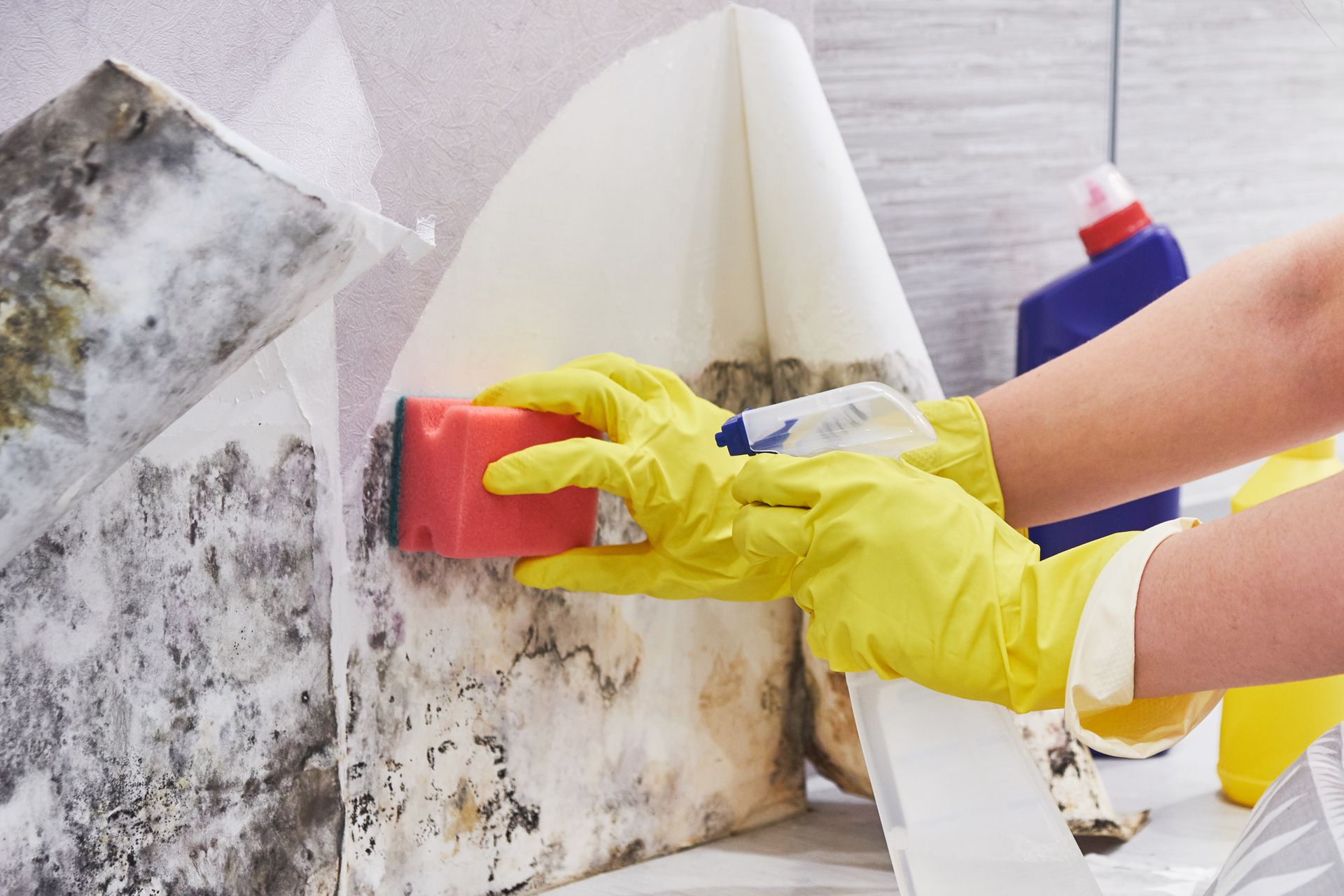
Most light surface mold on shower grout or caulk is reasonable to clean yourself with good ventilation and standard bathroom cleaners. The goal is not just to remove the stain but to keep the surface dry afterward, since a clean but constantly damp surface will grow mold again within days.
Where people go wrong is treating a moisture problem as a cleaning problem. If you have scrubbed the same spot more than a couple of times, cleaning harder is not the answer, and bleaching the surface can hide discoloration while the growth behind it continues.
Signs It Is Time to Call a Professional
Bring in a mold professional when the situation shows any of the deeper signs, or when cleaning simply is not holding.
- Mold returns quickly no matter how well you clean.
- You see or smell mold but cannot find the source.
- Tile, grout, or the wall around the shower feels soft or damaged.
- Staining has spread to drywall, the ceiling, or an adjacent room.
- Someone in the home has asthma, allergies, or a weakened immune system and symptoms are getting worse.
What a Professional Actually Does
A professional starts by finding the moisture source, because removing mold without fixing the cause just resets the clock. That may mean checking the shower pan, grout, and caulk for leaks, and inspecting the wall and subfloor for hidden damage.
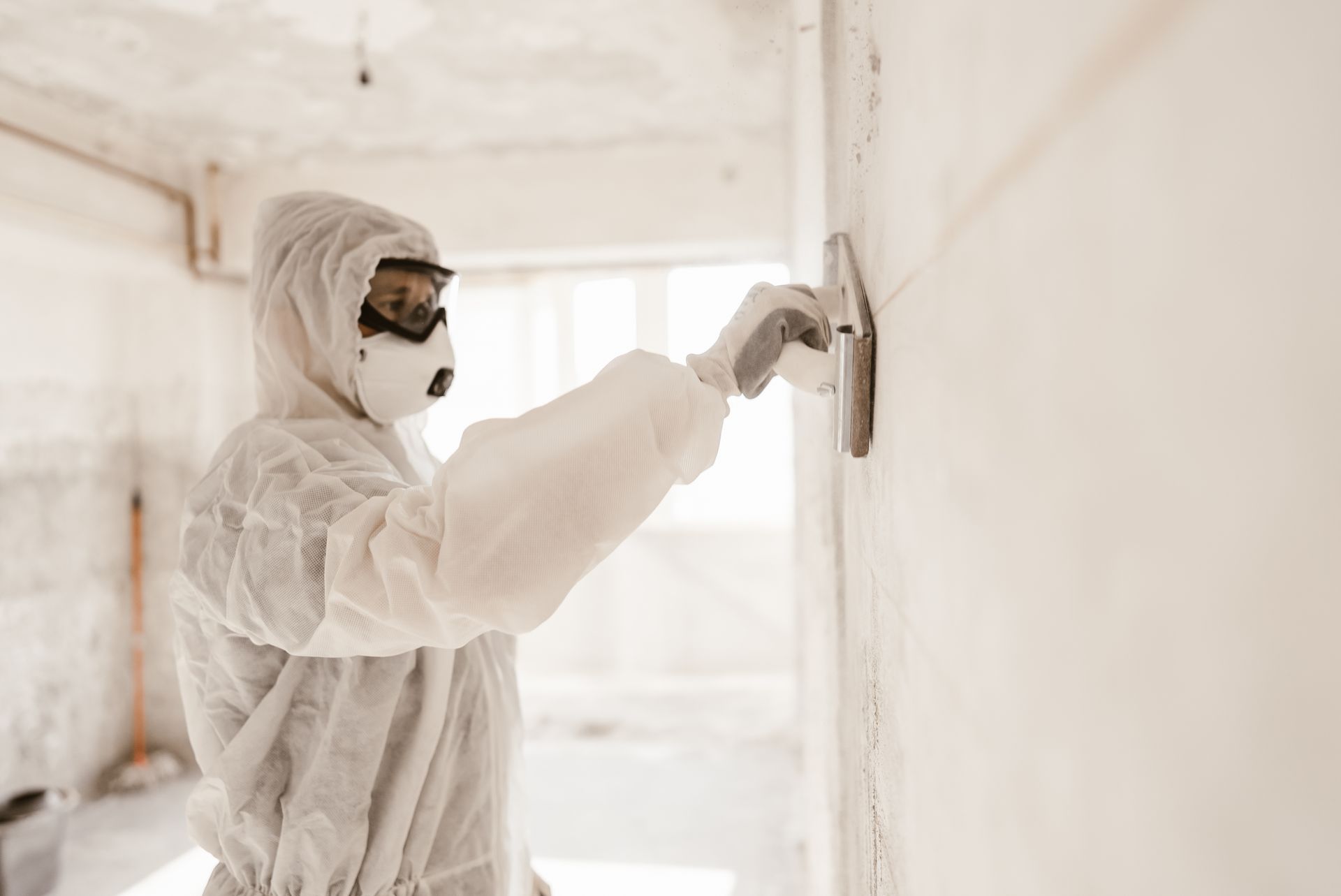
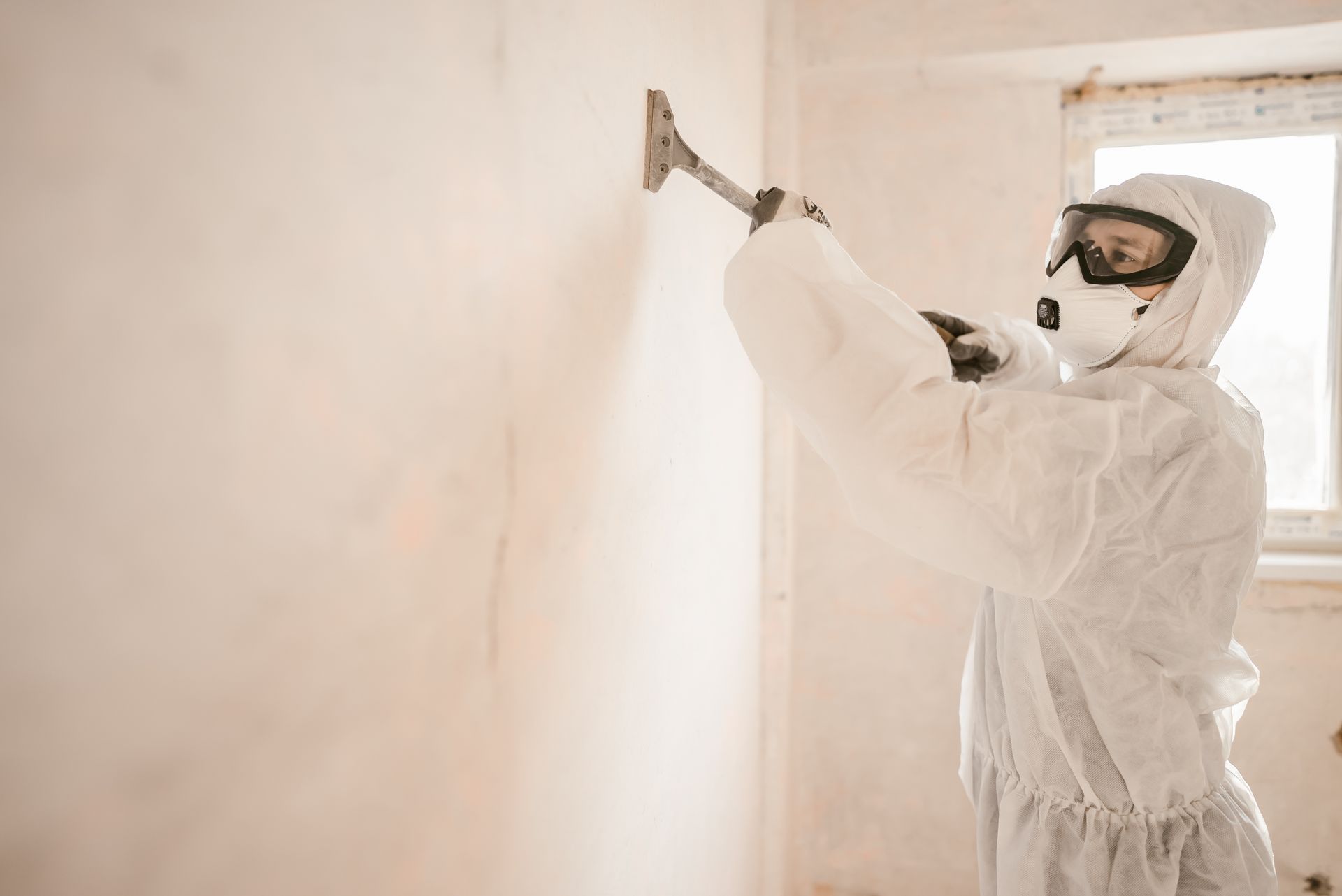
If mold is confirmed inside the wall or across a larger area, proper removal includes containing the space so spores do not spread through the home, removing affected materials safely, and confirming the area is dry before rebuilding. For Connecticut homeowners and renters,
mold testing can also confirm exactly what you are dealing with before any work begins. If you rent, our guide on
what to do if you suspect mold in your home covers your next steps.
Worried About What Is Behind Your Shower Wall?
If shower mold keeps coming back, or you are seeing signs it may be more than surface buildup, Anthony's Abatement can help. We are a licensed, family-owned Connecticut company with over 10 years of experience testing and removing mold, and we serve homes and businesses across the entire state. Call us at (959) 202-2675 or reach out through our
contact page for a free estimate.
Frequently Asked Questions
Share this Post
Recent Blog