
Lead Paint Encapsulation vs. Removal: Which Option Makes Sense?
When you have lead paint in your home, the two main professional options are encapsulation, sealing the paint under a specialized coating, and removal, taking the lead paint off entirely. Encapsulation is usually faster and less expensive and works well when the existing paint is in good condition, while removal is more involved and costly but eliminates the lead paint entirely. The right choice depends on the paint's condition, the location, your budget, and your long-term plans. Both should be done by a licensed professional, not as a DIY project, because disturbing lead paint is hazardous.
As a licensed Connecticut abatement company, Anthony's Abatement handles lead paint safely across the state, so we can explain these options clearly and help you understand which fits your situation. This guide compares encapsulation and removal, without the sales pitch, so you can make an informed decision.
Here are the straight answers first, then the detail.
In This Guide
- Encapsulation vs removal at a glance: The quick comparison.
- What lead paint encapsulation is: How it works.
- What lead paint removal is: How it works.
- When each option makes sense: Matching the method to your home.
- Why this is not a DIY job: The safety reasons.
- How to decide: Getting professional guidance.
- Frequently asked questions: Quick answers to common questions.
Encapsulation vs Removal at a Glance
Before the details, here is the short version of how the two approaches compare. Both are legitimate, professional methods with different trade-offs.
The Quick Comparison
This table sums up the main differences between encapsulation and removal.
| Factor | Encapsulation | Removal |
|---|---|---|
| What it does | Seals paint under a coating | Takes the lead paint off |
| Cost | Generally lower | Generally higher |
| Disruption | Less invasive, faster | More involved, longer |
| Lead remaining | Sealed in place | Eliminated |
| Best when | Paint is in good condition | Paint is deteriorating |
Neither is universally better. Encapsulation is often the practical, cost-effective choice when the paint is sound, while removal is the more thorough solution when the paint is damaged or you want the lead gone entirely.
Both Are Professional Work
One thing both options share: they should be handled by a licensed lead abatement professional. Lead paint is hazardous when disturbed, and both approaches involve doing that safely and correctly.
The choice between them is best made with professional guidance after your specific situation has been assessed, including where the paint is and what condition it is in.
What Lead Paint Encapsulation Is
Encapsulation is often misunderstood, so it is worth being clear about what it actually involves. It is not simply painting over old paint.
How It Works
Encapsulation means applying a specialized encapsulant, a coating specifically designed and tested to seal lead paint, over the existing surface. This creates a durable barrier that locks the lead paint in place so it cannot chip, flake, or create dust.
This is very different from regular paint. An ordinary coat of paint is not an encapsulant and does not reliably seal lead paint, which is why simply painting over it is not a safe solution. Our guide on why you should not paint over lead paint explains that distinction in more depth.
Encapsulants are specifically formulated and tested for this purpose, and they are applied following particular preparation and application steps. That is what allows them to bond properly and form a lasting barrier, rather than a coating that peels away and re-exposes the lead underneath.
The Benefits and Limits
Encapsulation is generally faster, less disruptive, and less expensive than removal, and it avoids the dust created by taking paint off. When the underlying paint is in good, stable condition, it can be an effective, long-lasting solution.
Its main limitation is that the lead paint is still there, sealed rather than gone. The encapsulant must be maintained and is not suitable for surfaces that get a lot of friction or wear, like windows and doors, where the seal can break down.
Because the lead remains in place, encapsulation also depends on the coating staying intact over time. If it is damaged during a renovation or wears through, the lead paint can be re-exposed, which is why periodic checks and eventual maintenance are part of choosing this route.
What Lead Paint Removal Is
Removal, sometimes called abatement, takes the lead paint off entirely or removes the components that have it. It is the more thorough but more involved option.
How It Works
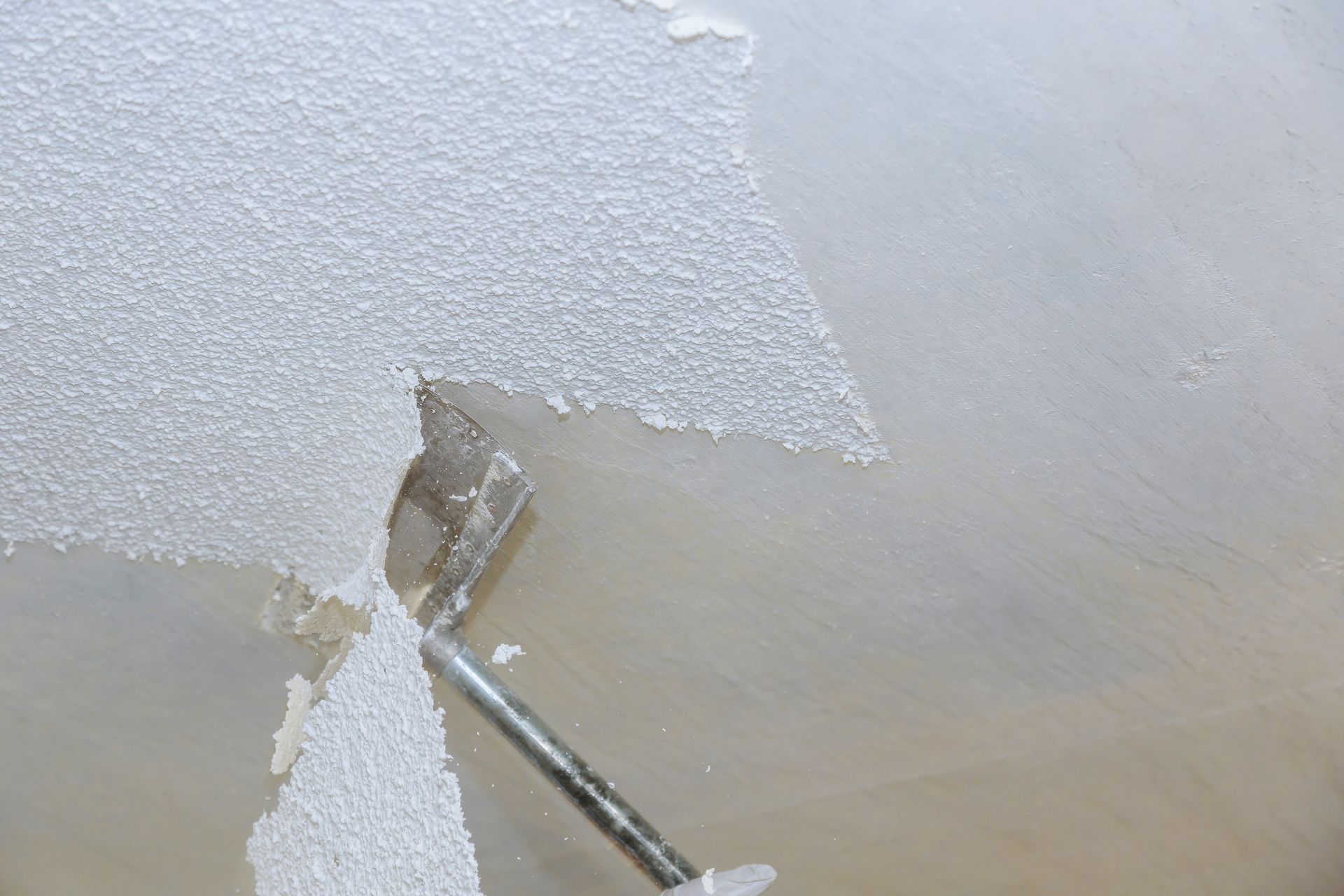
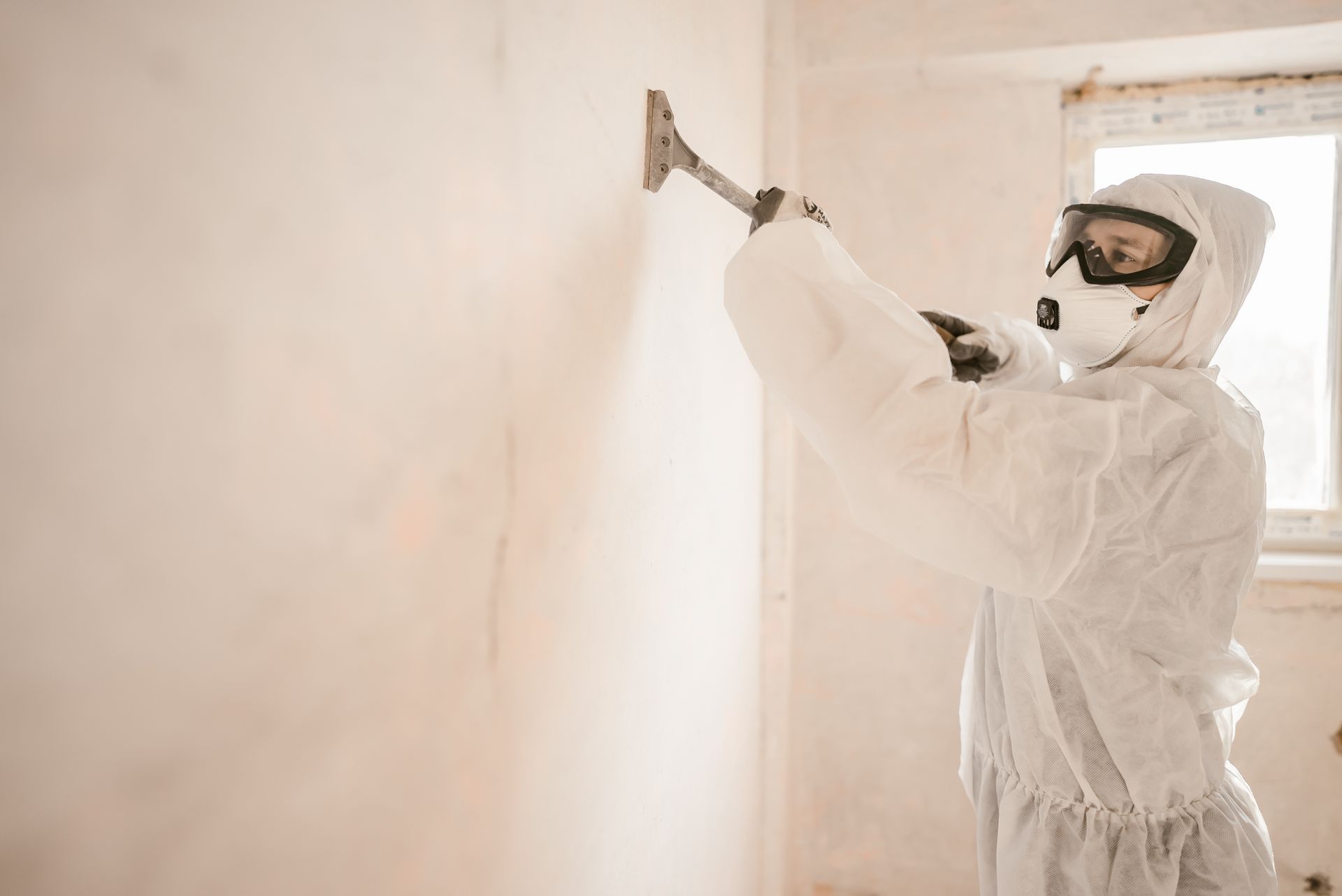
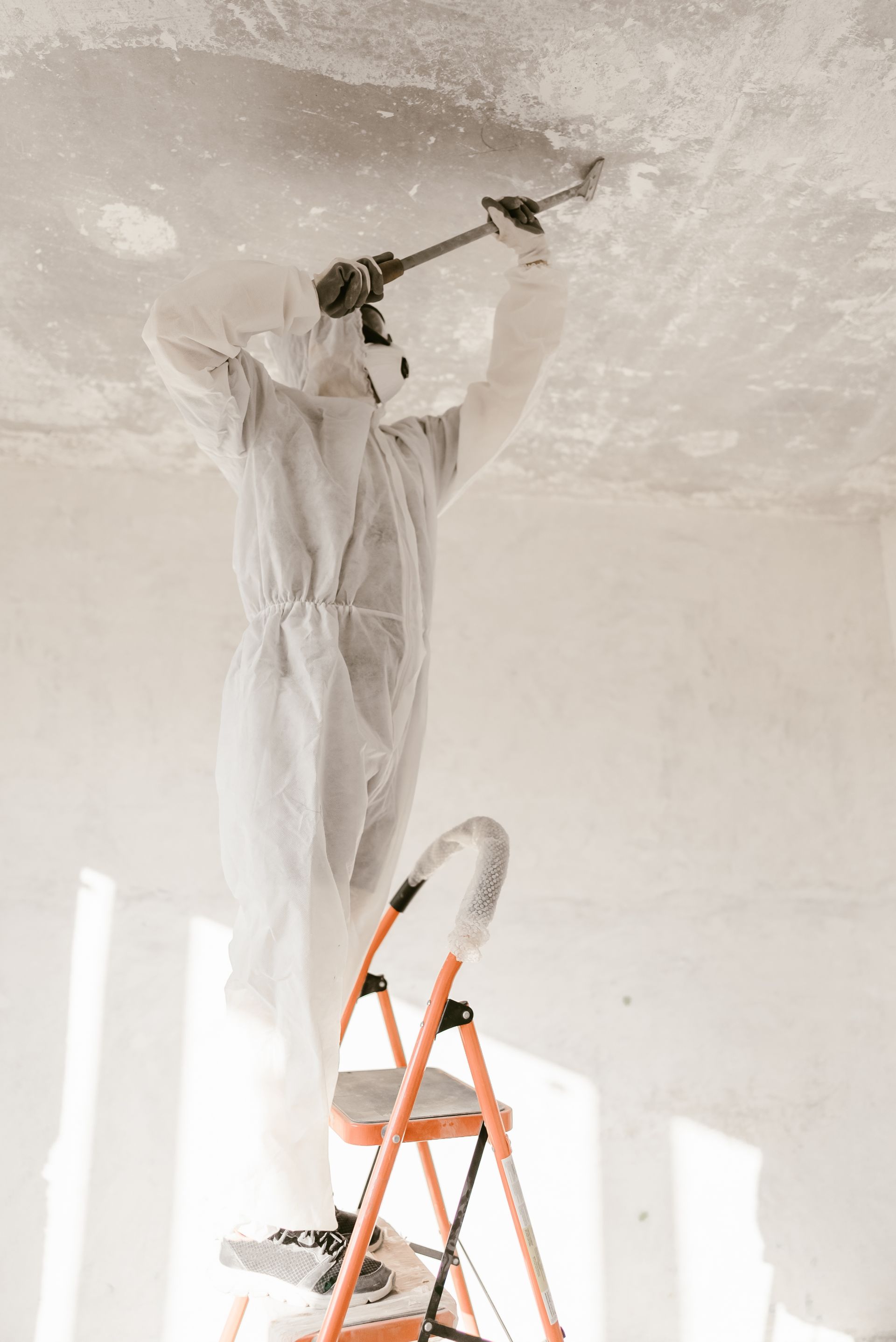
Lead paint removal is done using controlled, professional methods designed to take the paint off while capturing the hazardous dust and debris. In some cases, the affected component, such as a window or trim, is removed and replaced entirely rather than stripped in place.
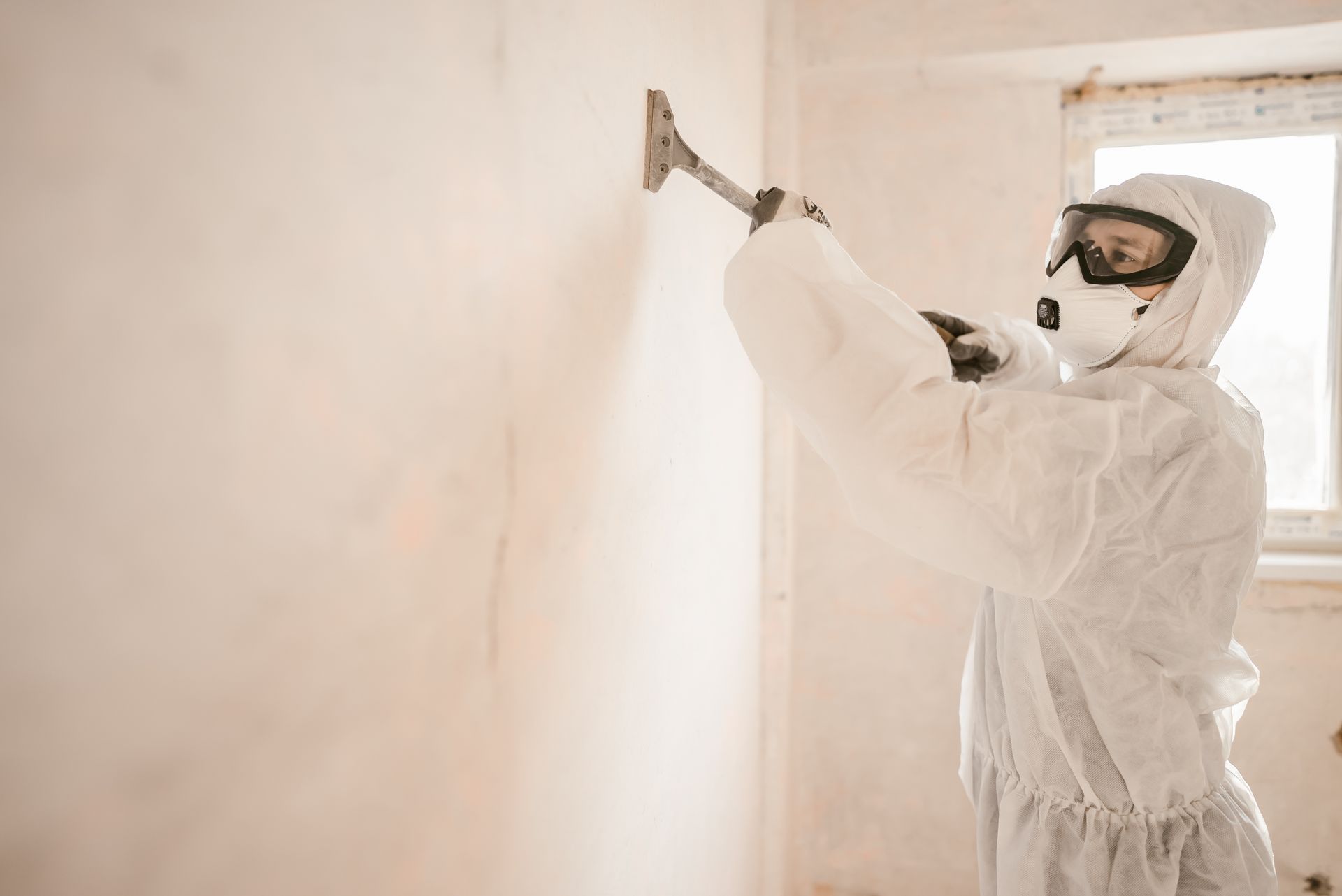
Because removing lead paint generates hazardous dust, it requires strict containment, protective equipment, specialized methods, and proper disposal. This is precisely why it is professional work and not a DIY task.
Replacing a component outright, rather than stripping the paint from it, is sometimes the cleaner and safer route, especially for items like old windows that are both painted and worn. A professional will weigh stripping in place against replacement based on the surface and the condition of the paint.
The Benefits and Limits
The big advantage of removal is that the lead paint is eliminated, not just sealed, which permanently removes the hazard from that surface. For deteriorating paint or a long-term solution, it is often the better choice.
The trade-offs are cost and disruption. Removal is more expensive, takes longer, and is more invasive than encapsulation, since it involves stripping or replacing surfaces and thorough cleanup afterward.
For many homeowners, though, the permanence is worth it. Once the lead paint is gone from a surface, there is no coating to maintain and no chance of the hazard resurfacing later, which brings a peace of mind that encapsulation, by its nature, cannot fully match.
When Each Option Makes Sense
Neither option is right for every situation. The best choice depends on several practical factors specific to your home.
Factors That Point to Encapsulation
Encapsulation tends to make sense in certain situations.
- The paint is in good, stable condition, not chipping or peeling.
- The surface sees little friction, unlike windows or doors.
- Budget is a priority and a less invasive option is preferred.
- You want minimal disruption to the home.
Factors That Point to Removal
Removal is often the better fit in other cases.
- The paint is deteriorating, chipping, peeling, or cracking.
- The surface gets friction or wear, like windows and doors.
- You want the lead gone entirely, not sealed in place.
- You are renovating in a way that disturbs the painted surfaces.
Why This Is Not a DIY Job
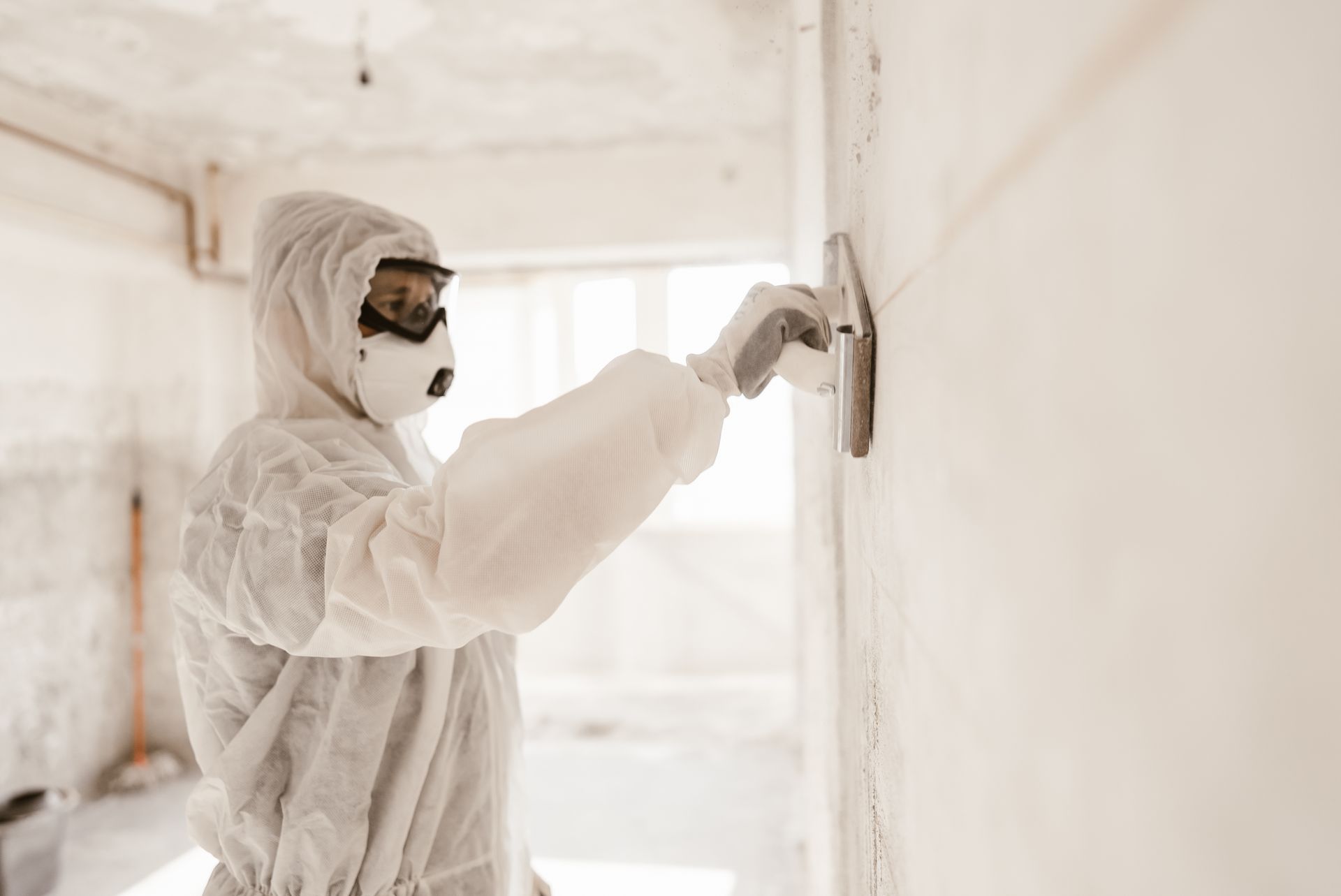
Whichever option you consider, this is not a project to take on yourself. Lead paint is a genuine health hazard, and that shapes everything about how it should be handled.
The Hazard of Disturbing Lead
Lead paint is most dangerous when it is disturbed, because that creates lead dust and chips that can be ingested or inhaled. Sanding, scraping, or improperly handling lead paint can release lead into your home, which is a serious health risk, especially for children and pregnant women.
Even encapsulation, though less invasive, requires proper surface preparation and the correct tested products to be effective and safe. Getting it wrong can leave you with a false sense of security while the hazard remains.
Children under six are especially vulnerable to lead, and the effects of exposure can be serious and lasting. That is the core reason lead paint is treated so cautiously, and why the safe handling of it is not something to improvise.
Why Licensed Professionals Matter
Licensed lead abatement professionals are trained and equipped to handle lead paint safely, with proper containment, protective equipment, methods, and disposal. They also understand the regulations that apply to lead work.
This is why both encapsulation and removal should be done professionally. The goal is to make your home safe, and doing that correctly requires the right training and equipment, not a weekend effort.
There are also rules governing lead work, and a licensed professional knows how to comply with them and dispose of hazardous material properly. That protects not only your household during the work but also anyone who lives in the home afterward.

How to Decide
Choosing between encapsulation and removal comes down to your specific situation, and the best way to decide is with professional input. Here is how to approach it.
Start With Testing and Assessment
The first step is confirming and assessing the lead paint. Testing identifies where the lead paint is and its condition, which is the foundation for any decision. Our lead paint testing service is where that begins.
From there, a professional can walk you through which option fits, weighing the paint's condition, the surfaces involved, your budget, and your plans for the home. The right answer is different for different homes.
Testing also matters because you cannot always tell lead paint by looking at it, and confirming where it is and how much there is prevents both overreacting and overlooking a real hazard. It turns guesswork into a clear starting point for the decision.
Making the Choice
For many homeowners with sound paint, encapsulation is a practical, cost-effective solution. For deteriorating paint, high-friction surfaces, or those who want the hazard gone for good, removal is often worth the added cost and effort.
There is no single right answer, only the right answer for your situation. A professional assessment gives you the clarity to choose with confidence.
Choosing the Right Approach for Your Home
Lead paint encapsulation and removal are both legitimate, professional ways to address lead paint, with different trade-offs. Encapsulation seals the paint under a specialized coating, and is faster and less expensive when the paint is in good condition, while removal eliminates the lead paint entirely and is the more thorough choice for deteriorating paint or a permanent solution. The right option depends on the paint's condition, the surfaces, your budget, and your plans, and both should always be done by a licensed professional.
At Anthony's Abatement, we assess lead paint across Connecticut and handle both encapsulation and removal safely and correctly. If you have lead paint or suspect you do, reach out for a straightforward assessment and clear guidance on your options.
Frequently Asked Questions
Share this Post
Recent Blog