Attic Mold Removal in Hartford County, CT: When to DIY and When to Call a Pro
If you're searching for attic mold removal near me in Hartford County, you probably want one clear answer: small, light mold on a hard surface might be a DIY job, but bigger growth, repeat problems, or mold tied to moisture leaks should be handled by a pro. At Anthony's Abatement, we help Hartford County homeowners spot attic mold early, clean it safely, and fix the moisture problems that cause it in the first place. We see what works in real homes here in Connecticut, especially with our wet springs, humid summers, and cold winters that can lead to condensation and roof leaks.
Why Mold in Your Attic Is a Serious Concern
Attic mold is not just an "ugly spot." It can affect your health, damage your home, and keep coming back if the moisture source is not fixed.
Health Risks of Mold Exposure
Mold spores can irritate your eyes, nose, throat, and lungs. Some people react more than others, especially if they have asthma, allergies, COPD, or a weakened immune system. Even if you don't feel symptoms right away, mold in an attic can spread spores into living spaces through air leaks, bathroom fans venting wrong, or HVAC pathways.
If anyone in your home has breathing issues, it's smart to be extra careful and lean toward professional mold removal services instead of DIY.
Structural and Property Damage Risks
Mold feeds on wood and paper-based materials. In an attic, that can mean roof sheathing, rafters, framing, insulation backing, and stored items. Over time, mold and moisture can weaken materials and lead to costly repairs. Also, visible attic mold can become a problem during a home sale or inspection.
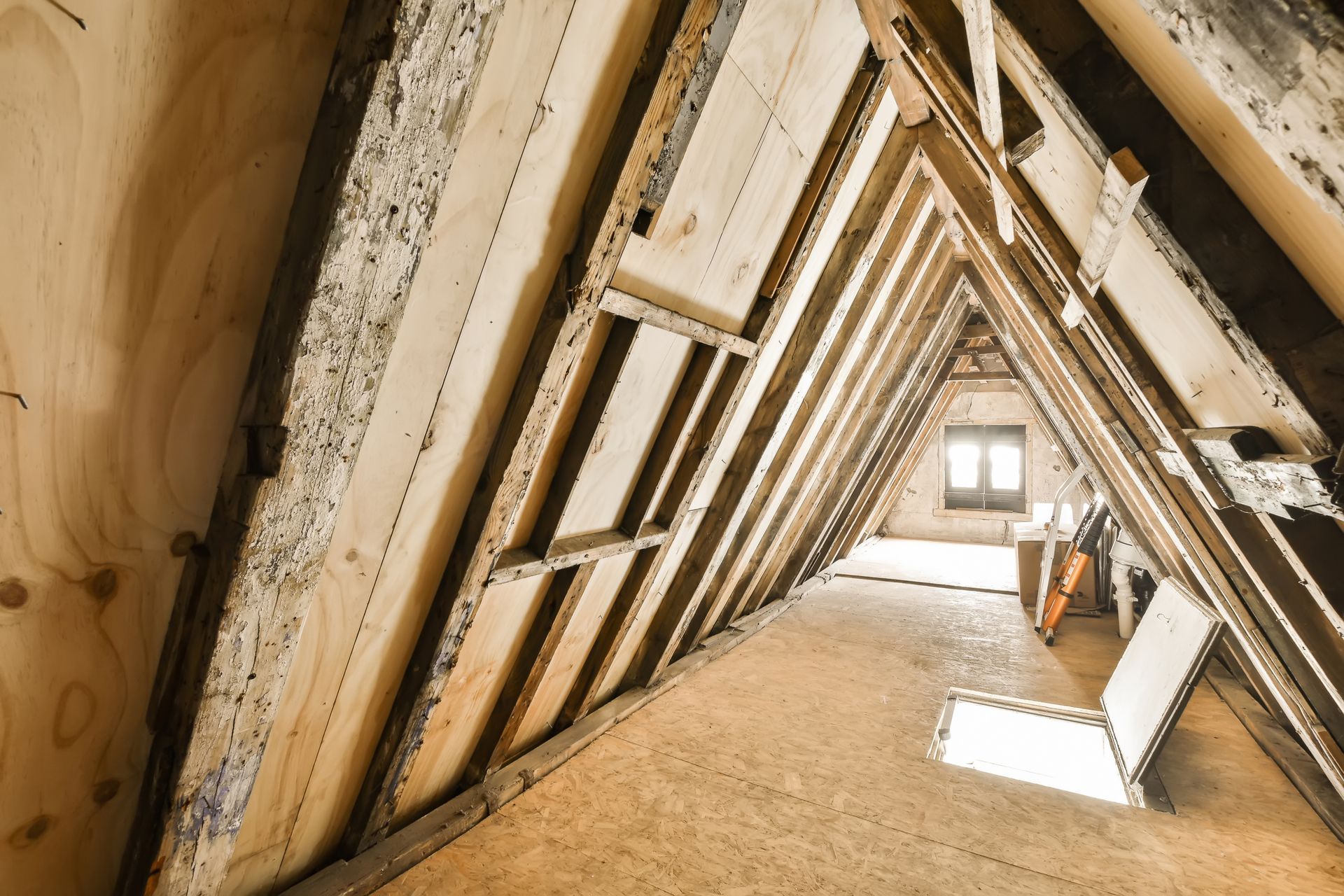
Common Causes of Attic Mold in Connecticut Homes
In Hartford County, attic mold usually starts because moisture gets trapped where it shouldn't. Common causes include:
- Roof leaks around shingles, flashing, chimneys, or vents
- Bathroom fans venting into the attic instead of outside
- Poor attic ventilation (air can't move in and out well)
- Warm indoor air leaking into a cold attic and forming condensation
- Ice dams in winter that push water under roofing materials
- Wet or compressed insulation that holds moisture
Mold is a symptom. Moisture is the real problem.
How to Identify Mold in Your Attic
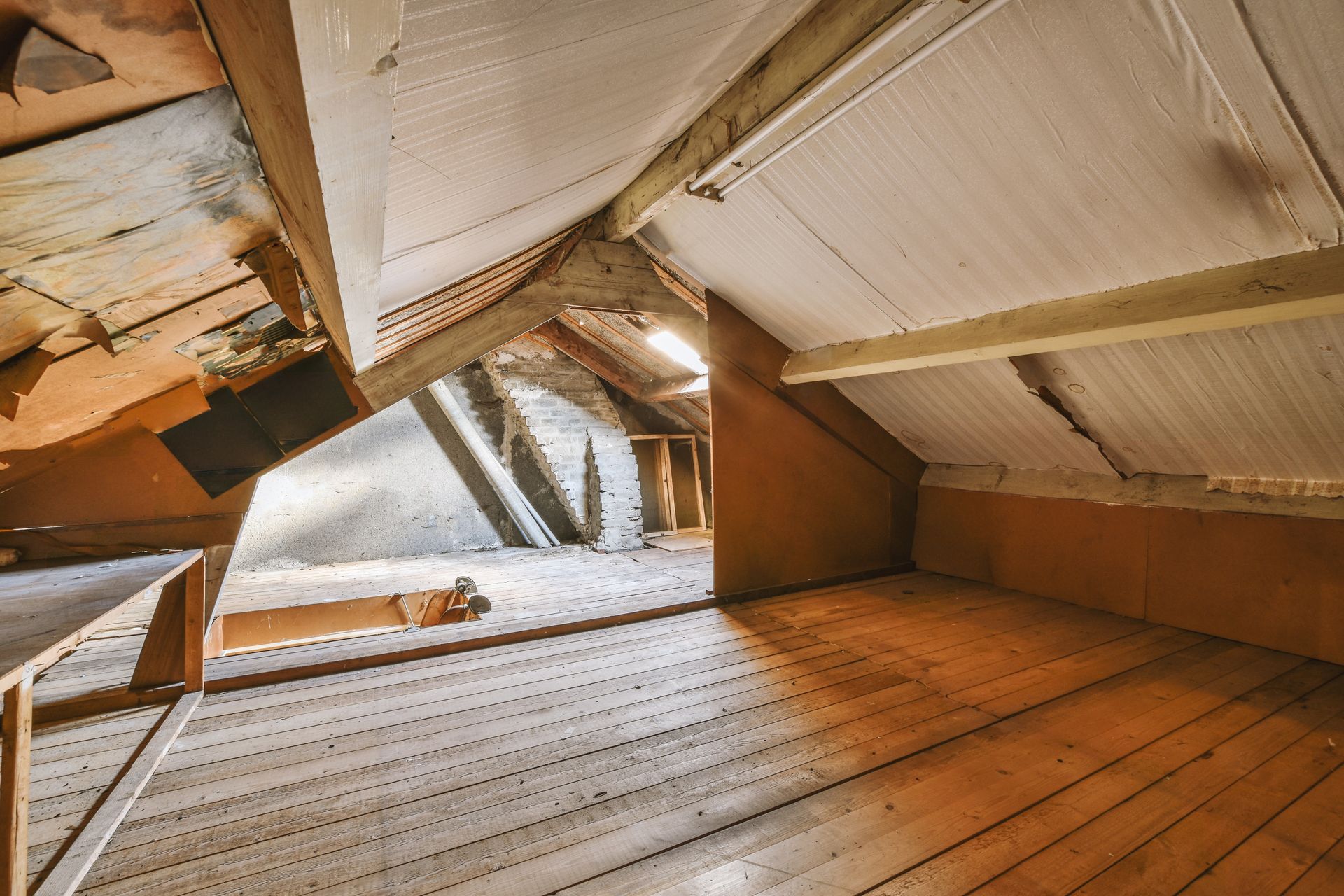
Some attic mold is obvious. Some is hidden. A quick look can help you decide what to do next.
Visual and Physical Signs of Mold Growth
Look for:
- Dark staining or fuzzy patches on wood (black, green, gray, or white)
- Spotting on roof sheathing (the underside of the roof deck)
- Mold on or around attic vents
- Damp, clumped, or discolored insulation
- Rusted nails or fasteners (a sign of high moisture)
Mold can look like dirt at first. If it wipes or smears and returns, that's a red flag.
Musty Odors and Hidden Mold Pockets
A musty smell is often the first clue. What does mold smell like? You might notice it on the top floor, in closets near attic access, or when you open the attic hatch. Mold can also grow behind insulation, around plumbing stacks, or in corners with poor airflow.
If you smell mold but don't see it, an attic mold inspection can help locate hidden areas.
When to Schedule a Mold Inspection
Consider an inspection when:
- You see stains spreading or coming back after cleaning
- You've had a roof leak, ice dam, or attic condensation problem
- You're buying or selling a home
- You feel symptoms that get worse at home
- You suspect black mold in attic areas but can't confirm it
An inspection is also useful if you want clarity before you decide between DIY mold removal and hiring a pro.
When DIY Attic Mold Removal Makes Sense
DIY can work in limited cases. The key is keeping it small, staying safe, and addressing the moisture source.
Small, Surface-Level Mold Patches
DIY is most reasonable when the mold is:
- Limited to a small area
- On a hard surface (like unfinished wood)
- Not caused by an active leak
- Not spreading into insulation or drywall
- Not linked to strong health symptoms in your household
If the growth is widespread across multiple rafters or large sections of sheathing, it's time to stop and consider professional help.
Proper Safety Gear and Containment Methods
Attics are tight, dusty spaces. Mold cleanup can kick spores into the air. Basic safe mold cleanup practices include:
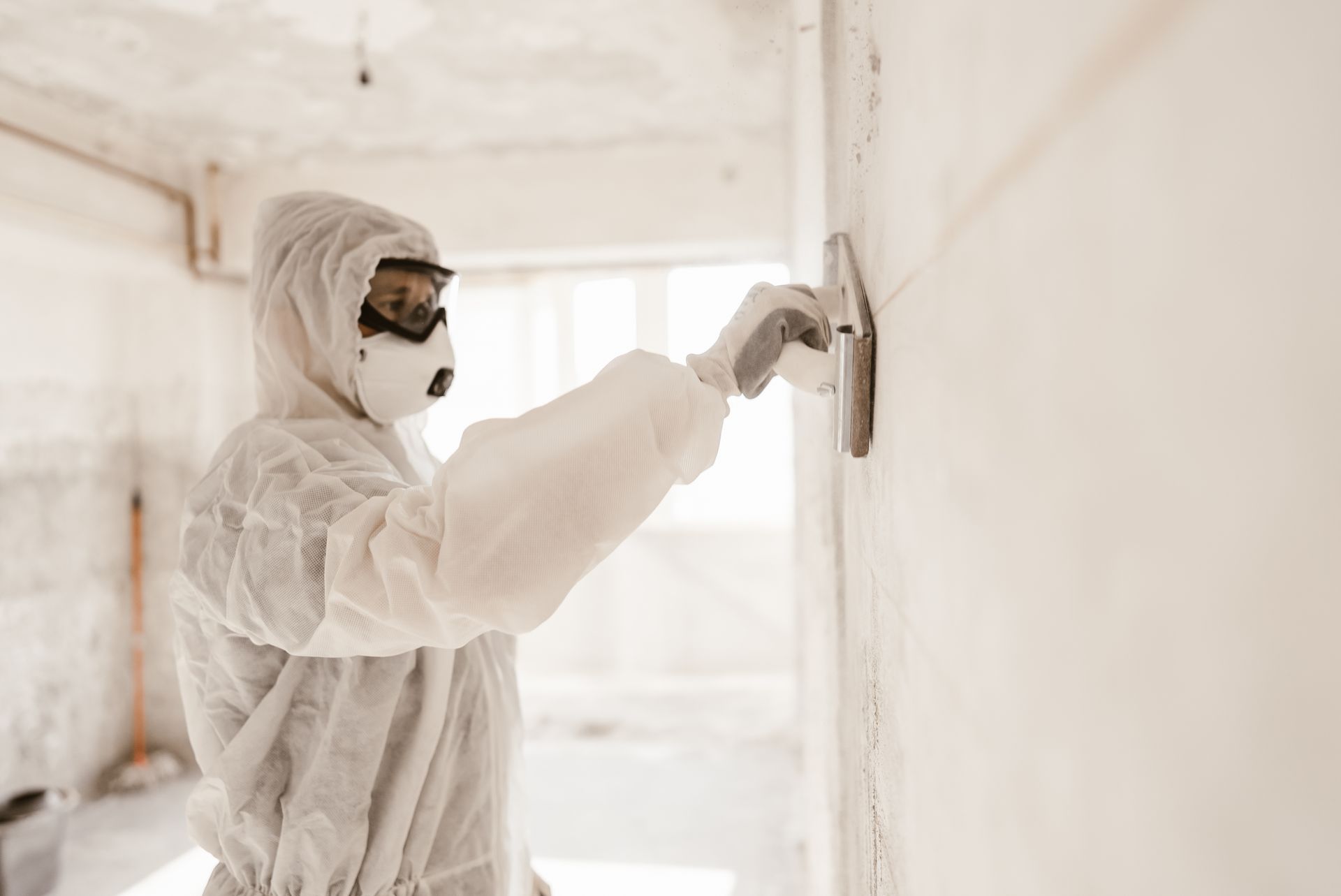
- Wear gloves, eye protection, and a well-fitting respirator (not a loose dust mask)
- Keep kids and pets away from the work area
- Seal the attic hatch and avoid tracking dust through the home
- Bag and remove dirty rags or materials carefully
- Use a HEPA-filter vacuum if you have one (HEPA traps very small particles)
If you can't work safely in the space, DIY is not worth the risk.
Cleaning Products and Tools That Work
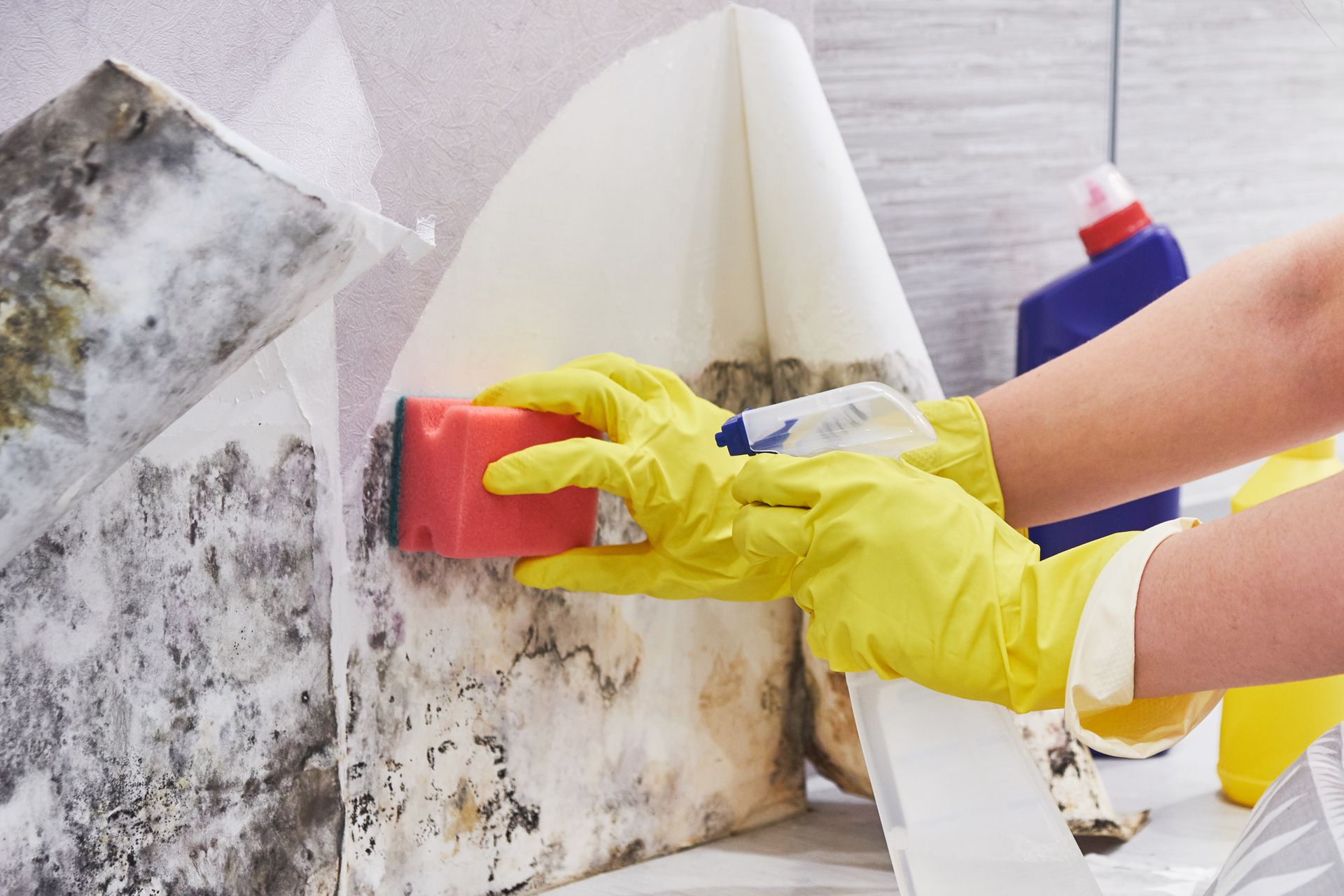
For small areas, cleaning typically involves:
- Lightly damp wiping to reduce airborne spores
- Scrubbing with an appropriate cleaner made for mold cleanup (can isopropyl alcohol kill mold?)
- Drying the area fully afterward
Avoid "dry brushing" mold. That can spread spores. Also, avoid relying on strong odors or harsh chemicals as a shortcut. The goal is removal and control, not just masking the smell.
The Risks and Limitations of DIY Mold Removal
DIY can backfire when mold is bigger than it looks or when the moisture problem isn't solved.
Incomplete Removal and Mold Regrowth
Mold often returns because the attic stays damp. You might clean the surface and feel like it's gone, but spores can remain in cracks, on nearby framing, or in insulation. If the attic ventilation mold prevention issues aren't fixed, the mold may be back within weeks or months.
Health Hazards During Cleanup
Even small jobs can cause exposure. Attics stir up dust, fiberglass, droppings, and spores. If you feel lightheaded, short of breath, or irritated during cleanup, stop. People with allergies or asthma should be especially cautious.
Local Guidelines and Safety Standards
Connecticut has clear public health messaging around mold assessment and cleanup. The main point is simple: control moisture, clean safely, and don't take on more than you can contain. If the job needs containment barriers, air filtration, or removal of contaminated materials, that's beyond typical DIY.
When to Call a Professional Mold Remediation Company
If you're on the fence, it's usually safer (and often cheaper long-term) to get a professional assessment before the problem grows.
Large or Recurring Mold Infestations
Call a pro when:
- Mold covers a large area
- You see mold on multiple surfaces or throughout the attic
- You cleaned it before and it came back
- You've had repeated condensation issues
- You're dealing with heavy staining and strong odor
These situations usually need professional containment and a plan to stop the moisture problem.
Mold in HVAC Systems or Behind Walls
If mold may be connected to ductwork, bathroom venting pathways, or hidden cavities, DIY is risky. Spreading spores through air movement can impact the whole house. This is where certified mold specialists and proper equipment matter.
Need for Moisture Source Correction and Prevention
A true fix includes moisture control. Professionals can help identify:
- Air leaks from living areas into the attic
- Ventilation issues (intake/exhaust balance)
- Bath fan venting mistakes
- Roof leaks and flashing failures
- Insulation gaps that lead to condensation
Without correction, mold cleanup is just a temporary patch. Learn more about what to do if you suspect mold in your home.
What to Expect from Professional Attic Mold Removal
Knowing the steps helps you compare local providers and spot real pros.
Mold Assessment and Testing
A professional typically starts with a visual assessment, moisture readings, and a plan for containment. Testing may be recommended in some cases, but it isn't always required to confirm what you can already see. The bigger value is identifying why it's happening and how far it spread.
Containment, Treatment, and Clearance
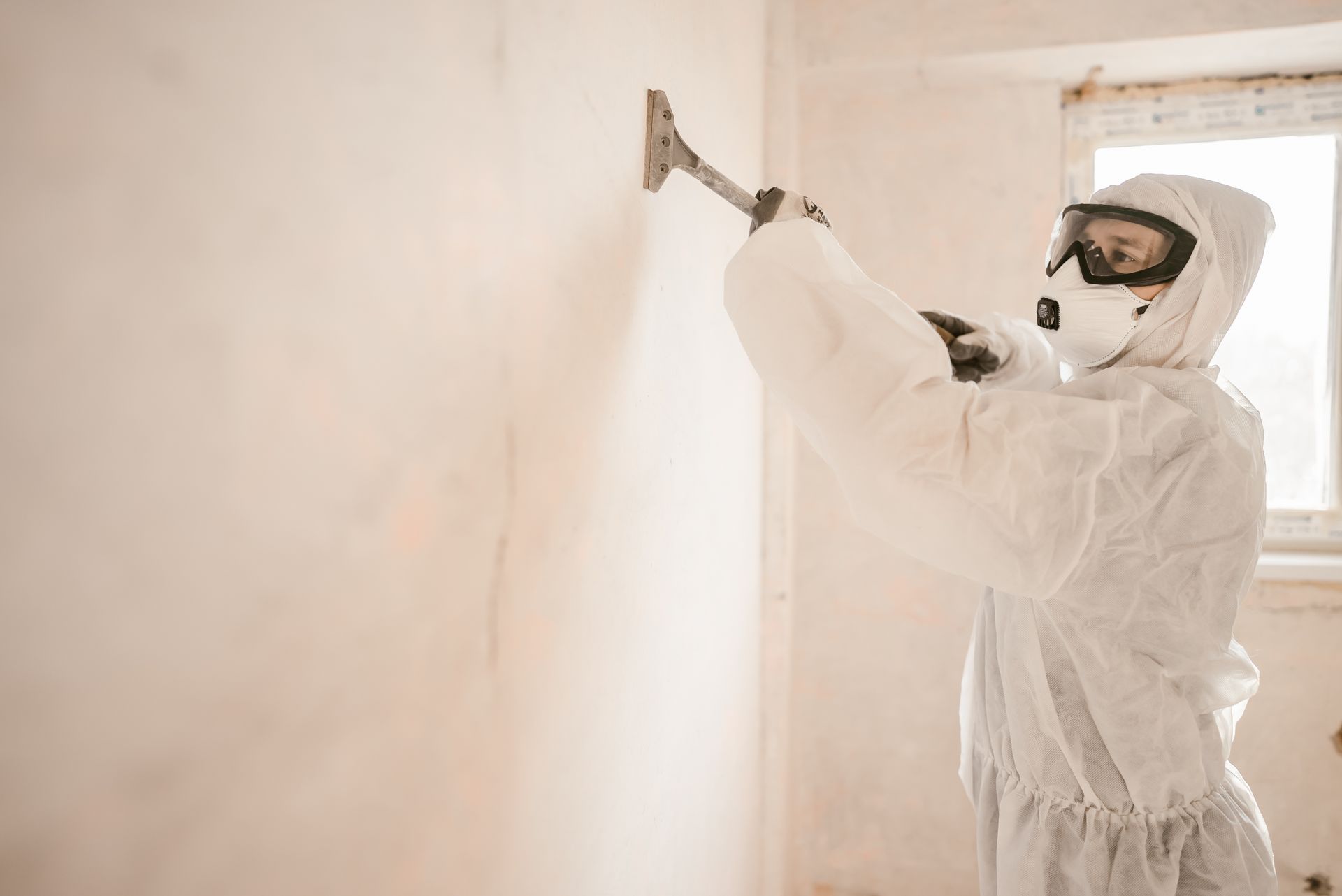
A proper mold removal process often includes:
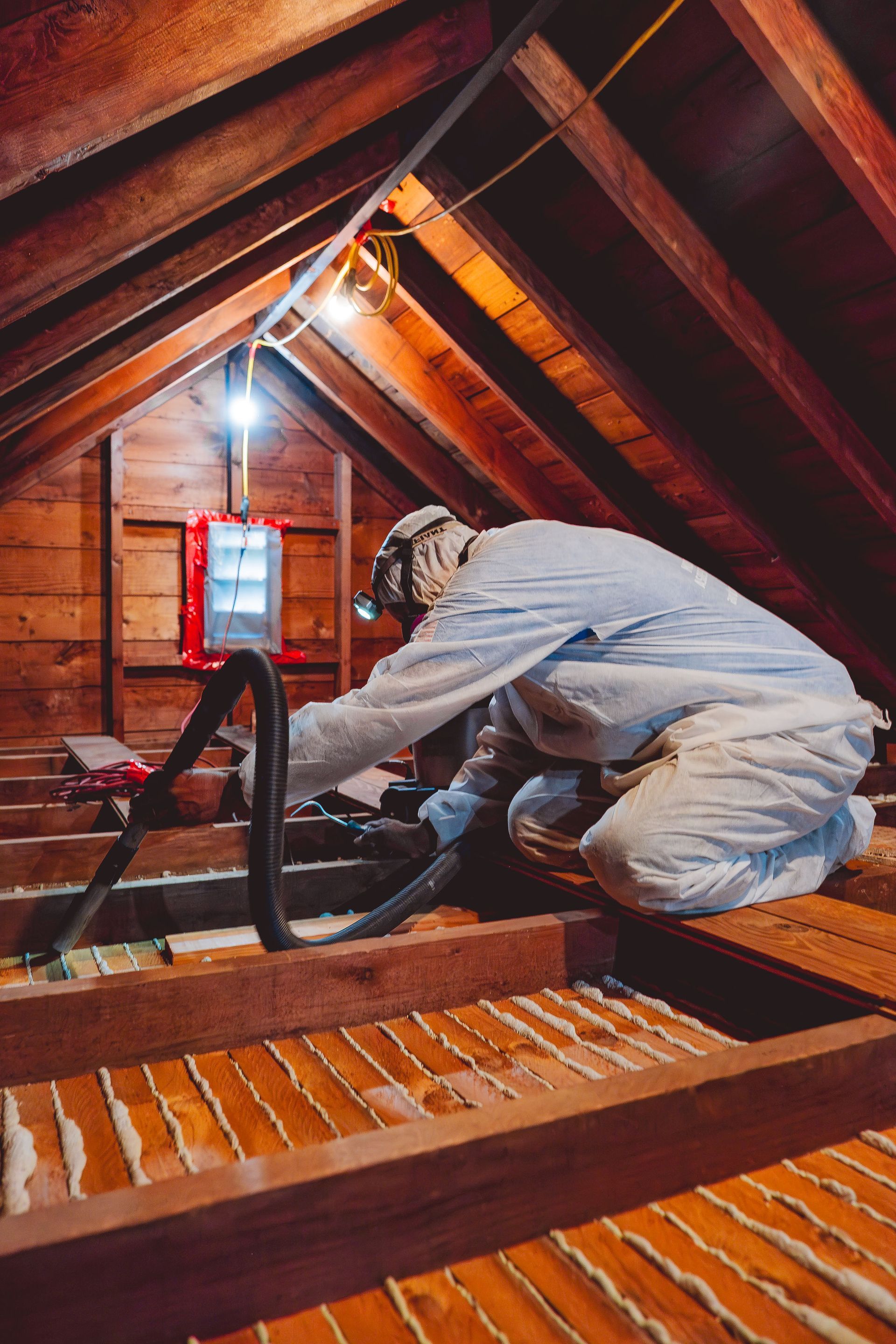
- Containment to keep spores from spreading
- HEPA air filtration and careful removal methods
- Cleaning and treating affected surfaces
- Safe handling of contaminated insulation or materials
- Final cleanup to reduce leftover dust and spores
Many homeowners notice the biggest difference after a professional cleanup because the work is controlled and thorough.
Long-Term Prevention and Ventilation Fixes
The best companies focus on prevention. That can include:
- Improving attic ventilation (balanced intake and exhaust)
- Fixing bath fans to vent outdoors
- Air sealing attic bypasses (like around lights and pipes)
- Insulation adjustments to reduce condensation
- Guidance on humidity control in the home
This step is what keeps your attic from becoming a repeat problem.
Choosing the Right Mold Removal Specialist in Hartford County
If you're comparing mold removal companies near me, use these factors to find a true professional, not just a "spray and go" crew.
Certifications and Experience
Look for a company that focuses on remediation, not just surface cleaning. Ask about training, safety protocols, and how they prevent cross-contamination. A skilled team will explain their containment and cleanup steps in plain language.
Understanding the Cost of Professional Services
Cost varies based on:
- Size of the affected area
- Whether insulation must be removed
- How hard it is to access the attic
- Whether moisture repairs are needed
- Whether cleaning requires special containment
A good estimate explains what's included, what's not, and what results you should expect.
Local Reputation and Service Area
Hartford County homes vary—older homes, newer builds, capes, colonials, and multi-family properties all have different airflow and moisture patterns. A local team that understands Connecticut weather and building styles can spot common root causes faster. Find mold removal services in Hartford, West Hartford, Manchester, and throughout the county.
Final Thoughts on DIY vs. Professional Mold Removal in Your Attic
DIY attic mold removal can be okay when the area is small, the surface is easy to clean, and the moisture issue is already solved. But attic mold often signals a bigger ventilation or condensation problem. If the mold is widespread, keeps returning, or affects insulation, calling a professional is usually the safest and most effective choice.
If you're searching for attic mold removal near me because you want peace of mind, start with one goal: find the moisture, fix it, and make sure the mold is truly removed.
Schedule Your Attic Mold Removal
If you're in Hartford County and want a clear next step, consider scheduling an attic assessment with a team that does this work every day. A professional evaluation can tell you whether you're dealing with a small cleanup, or a problem that needs full containment, remediation, and moisture control to stop it for good.
Frequently Asked Questions About Attic Mold Removal
Share this Post
Recent Blog