
Why Does My House Smell Musty? (When You Can't Find Any Mold)
A musty smell almost always means moisture and, very often, mold you cannot see. The odor comes from gases released by mold and mildew as they grow, so if your house smells musty but nothing is visible, the source is usually hidden: behind walls, under flooring, inside HVAC ducts, in the crawl space, or in the basement. The smell is real information. It means there is excess moisture somewhere, and moisture is what mold needs to grow.
Anthony's Abatement has spent years handling mold and moisture problems in homes across Hartford County and throughout Connecticut. We have tracked down the source of that "I know I smell something" odor in hundreds of houses where the homeowner swore there was no mold to be found. This guide explains what causes a musty smell with no visible mold, where it hides, how to find it, and when it is time to bring in testing.
In This Guide
- The Quick Answer
- What Causes a Musty Smell
- Where Hidden Mold and Moisture Hide
- Musty Smell But No Visible Mold: Common Scenarios
- How to Track Down the Source
- Is a Musty Smell Dangerous?
- What You Can Do Yourself
- When to Get Professional Testing
- How to Prevent Musty Smells Long-Term
- Get the Source Found in Connecticut
- FAQ

The Quick Answer
If your house smells musty but you cannot find mold, here is what is most likely happening.
The Smell Means Moisture
A musty odor is produced by mold and mildew, and mold only grows where there is moisture. Even if you cannot see mold, a musty smell strongly suggests there is excess moisture somewhere and likely mold growing out of sight.
It Is Usually Hidden
The most common reason you smell mold but cannot find it is that it is growing where you cannot see: inside walls, under floors, in the HVAC system, in the crawl space, or in the basement. The smell travels through the house even when the source is tucked away.
It Is Worth Investigating
A musty smell is not something to cover up with air fresheners. It is a signal worth tracing to its source, because hidden moisture problems get worse over time and can affect both your home and your air quality. Our mold removal service starts with finding that source.
What Causes a Musty Smell
Understanding where the odor comes from explains why you can smell it without seeing anything.
The Science of the Smell
The musty odor is caused by microbial volatile organic compounds, gases that mold and mildew release as they grow and feed. These gases travel easily through air, which is why the smell can fill a room while the actual mold sits hidden behind a wall or under a floor several feet away. Your nose is detecting the byproduct of mold growth, not the mold itself.
This is also why the smell can be frustratingly hard to pin down. The gases diffuse through the air and move with the airflow in your home, so the spot where the smell is strongest is not always exactly where the mold is. It is a clue, not a map, which is part of why hidden mold is so often missed by homeowners searching for it.
Moisture Is Always Involved
Mold cannot grow without moisture. So a persistent musty smell nearly always points to a moisture problem: a slow leak, high humidity, poor ventilation, condensation, or water that got in and never fully dried. Find the moisture and you usually find the mold.
Mildew and Old Materials
Sometimes the smell comes from mildew (a surface mold) on fabrics, old books, cardboard, or stored items in a damp space, rather than structural mold. This is more common in basements, closets, and storage areas where air does not circulate and humidity runs high.
Where Hidden Mold and Moisture Hide
When there is no visible mold, it is almost always in one of these places. These are the spots we check first.
- Inside walls: From a slow plumbing leak, a past roof leak, or condensation inside the wall cavity. The mold grows on the back of the drywall where you cannot see it.
- Under flooring: Beneath carpet, laminate, or hardwood after a spill, leak, or moisture seeping up from below.
- In the HVAC system: Ducts and the air handler can grow mold, then spread the smell (and spores) through the whole house every time the system runs.
- In the crawl space: One of the most common hidden sources. Damp crawl spaces breed mold, and the air rises into the living space above.
- In the basement: Especially behind finished walls, under stored items, or in corners with poor airflow. Our basement mold guide covers this in depth.
- Behind or under appliances: Dishwashers, washing machines, and refrigerators with ice makers can leak slowly and grow mold behind them.
- Around windows: Condensation and failed seals let moisture collect in the frame and wall below.
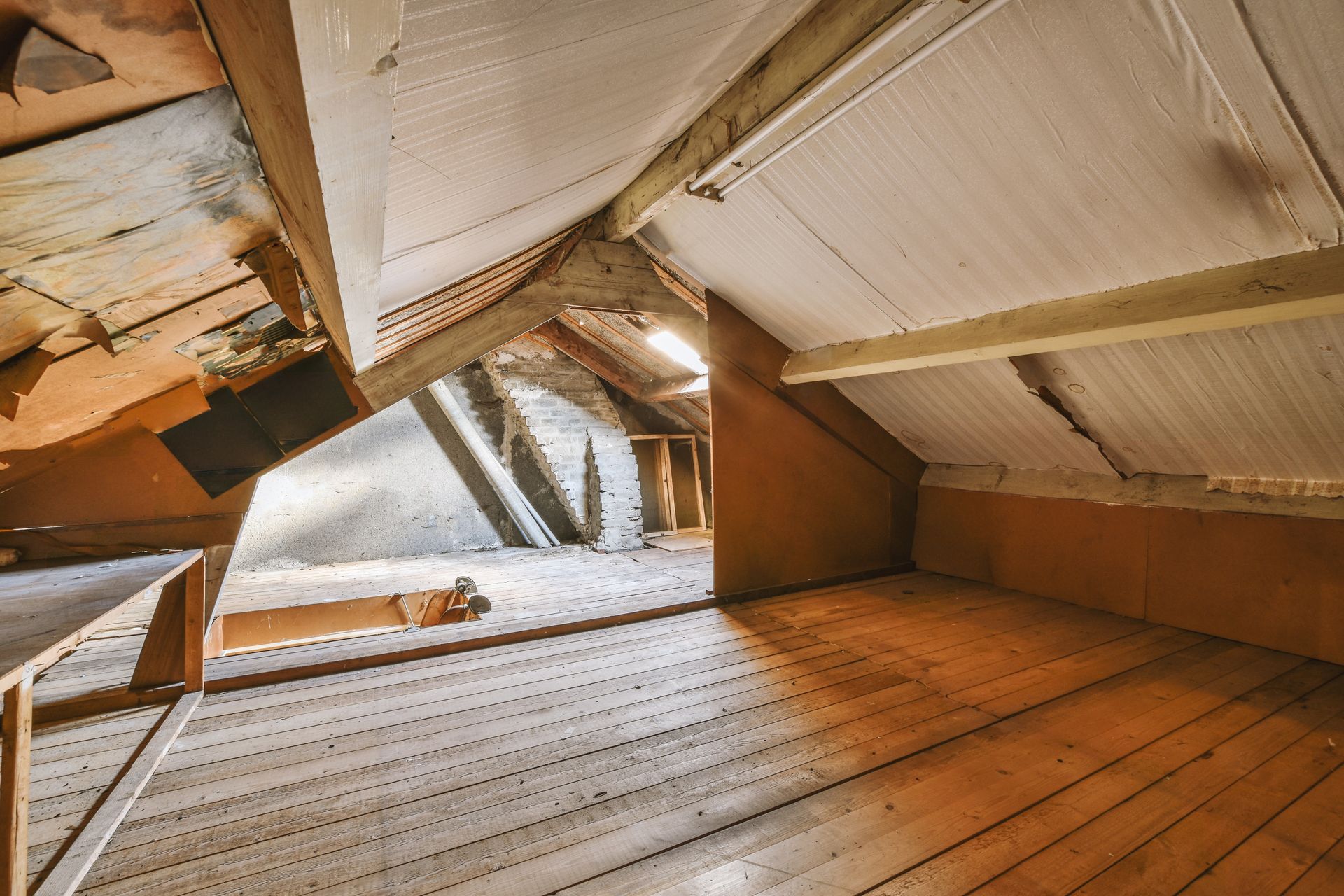
- In the attic: From roof leaks or poor ventilation, though attic mold smells often stay upstairs.
Musty Smell But No Visible Mold: Common Scenarios
Certain situations come up again and again. See if one matches your home.
The Smell Is Worse in One Room
If the musty smell concentrates in one room, the source is usually nearby: a wall, the floor, a window, or something stored in that space. A basement or bathroom that smells worse than the rest of the house points to a moisture problem in that specific area.
The Smell Comes and Goes With the HVAC
If the odor gets stronger when the heat or air conditioning kicks on, the HVAC system is a prime suspect. Mold in the ducts or air handler gets pushed through the house whenever the system runs. This is a common and often overlooked source.
The Smell Is Strongest in the Basement or Crawl Space
Below-grade spaces are the most common hidden mold locations in Connecticut homes because they are prone to dampness, poor ventilation, and moisture seeping in from the soil. If the whole house has a faint musty note, the basement or crawl space is often the origin.
The Smell Appeared After Water Exposure
If the smell showed up after a leak, flood, heavy rain, or a plumbing problem, there is a good chance moisture got into materials that never fully dried. Our guide on what to do after a water leak covers the steps that prevent this.
Matching the Clue to the Likely Source
The pattern of the smell often points to where it is coming from. This table maps common clues to their likely hidden source:
| What You Notice | Most Likely Source | Where to Check First |
|---|---|---|
| Smell worse in one room | Localized moisture or leak | Walls, floor, windows in that room |
| Stronger when HVAC runs | Mold in ducts or air handler | HVAC system and vents |
| Whole-house faint mustiness | Below-grade dampness | Basement and crawl space |
| Smell after a leak or flood | Trapped moisture in materials | Under flooring, inside walls |
| Concentrated near an appliance | Slow appliance leak | Behind washer, dishwasher, fridge |
| Worse in a closet or storage area | Mildew on stored items, poor airflow | Fabrics, cardboard, boxes |
How to Track Down the Source
Finding hidden mold takes a systematic approach. Here is how to narrow it down.
Follow Your Nose Room by Room
Walk the house and note where the smell is strongest. The odor is usually most intense closest to the source. Pay attention to basements, bathrooms, laundry areas, and any room with a history of leaks.
Check the Usual Moisture Spots
Look under sinks, around toilets and tubs, behind the washing machine, near water heaters, and around window frames. Feel for dampness, look for staining or warping, and check for any surface that feels cool and moist.
Inspect the Basement and Crawl Space
These are the highest-probability locations. Look for water staining, efflorescence (white mineral deposits) on walls, damp corners, and check whether the space feels humid. A musty crawl space almost always affects the air above it.
Consider What You Cannot Reach
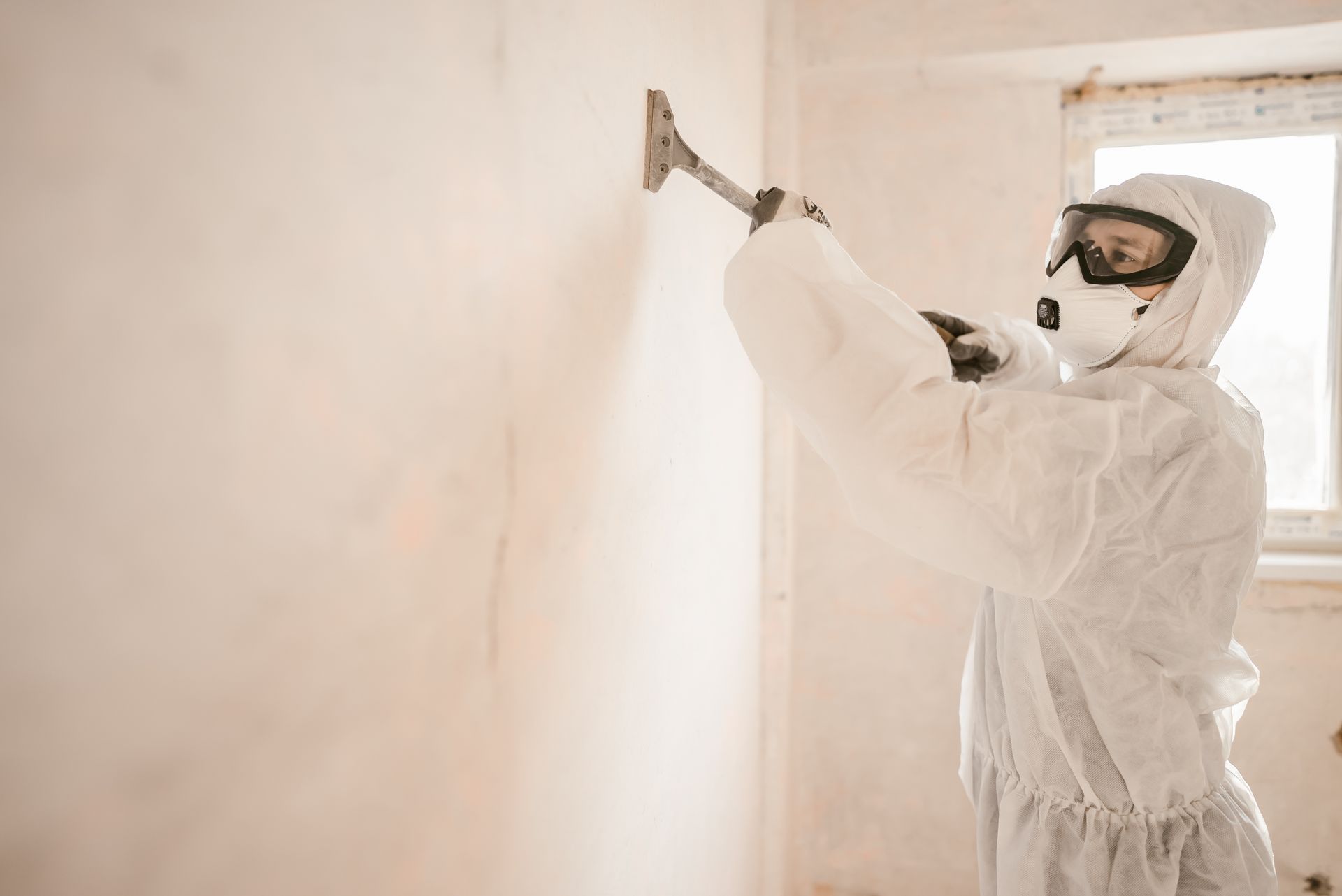
If the smell is clearly present but none of the visible checks turn anything up, the source is likely inside a wall, under flooring, or in the ductwork, places a homeowner cannot inspect without opening things up. That is the point where professional testing makes sense.

Is a Musty Smell Dangerous?
The smell itself is not the hazard, but what it indicates can be.
A musty odor signals mold growth, and mold can affect indoor air quality and health, especially for people with allergies, asthma, or weakened immune systems. Common reactions include congestion, coughing, eye irritation, headaches, and worsened allergy or asthma symptoms. The longer hidden mold grows, the more spores it releases and the larger the problem becomes.
Some molds are more concerning than others, and you cannot tell the type by smell alone. What matters is that a persistent musty smell means active mold growth somewhere, and that is worth addressing rather than living with. Our overview of mold and asbestos health risks covers what homeowners should know.
It is also worth knowing that the health impact depends on the person and the amount of exposure. A healthy adult might notice nothing beyond the smell, while a child, an older adult, or someone with asthma or allergies in the same house could have a clear reaction. If symptoms improve when someone leaves the house and return when they come back, that is a meaningful clue that something in the home, often hidden mold, is affecting them.
What You Can Do Yourself
There are reasonable first steps before calling anyone, especially for minor or surface-level moisture issues.
- Lower the humidity. Run a dehumidifier in damp areas and aim to keep indoor humidity below 50 percent. Mold struggles to grow in drier air.
- Improve ventilation. Run bathroom and kitchen exhaust fans, open windows when weather allows, and keep air moving in basements and closets.
- Fix obvious moisture sources. Repair leaks, seal gaps around windows, and make sure gutters and grading direct water away from the foundation.
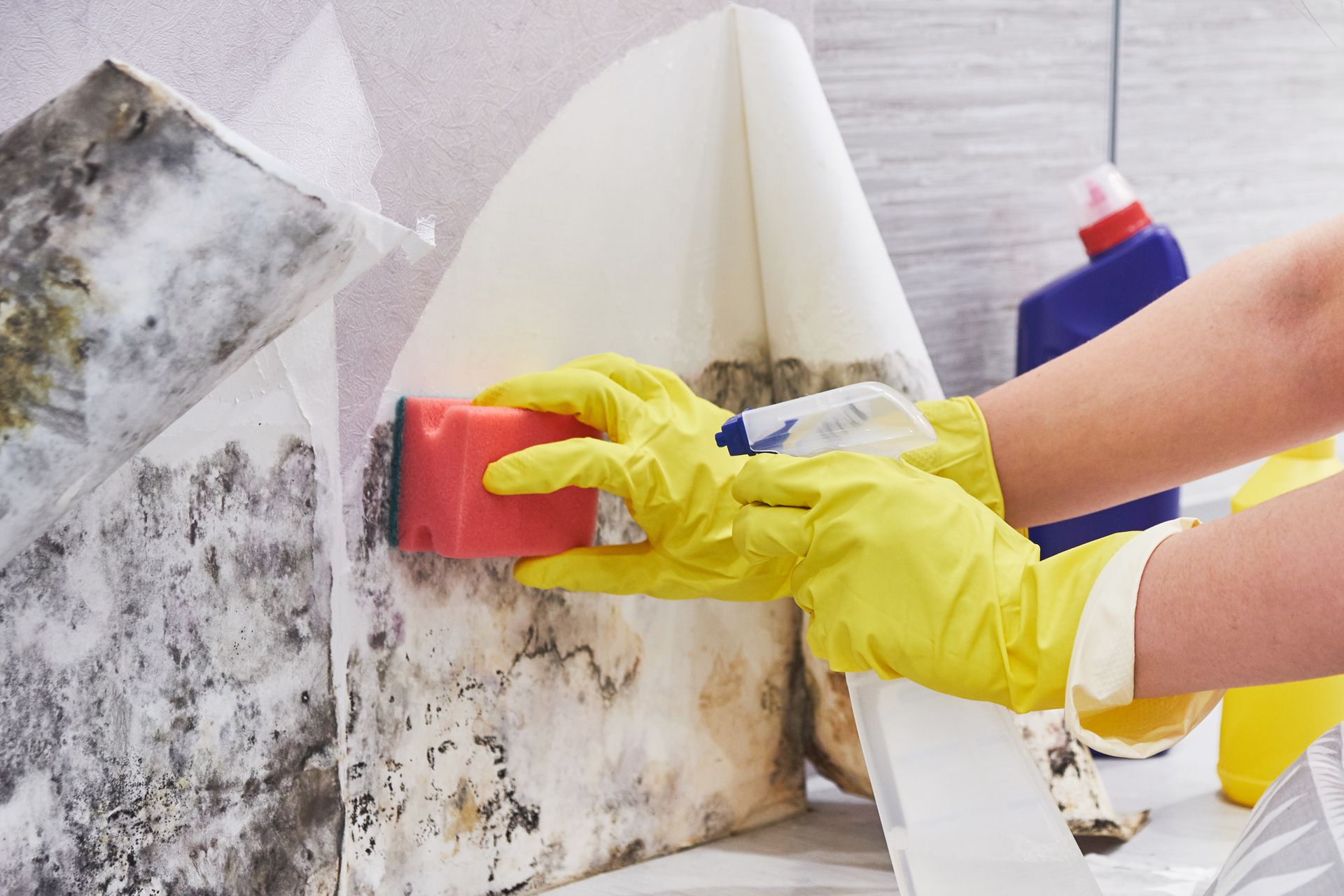
- Clean small surface mildew. Minor mildew on hard, non-porous surfaces can be cleaned. Larger areas or porous materials are a different matter.
- Remove damp items. Old cardboard, damp fabrics, and stored materials in humid areas can hold and spread the smell.
If the smell persists after addressing these, or if you cannot find the source at all, the problem is likely hidden and needs a professional look. And avoid simply masking the odor with air fresheners; that hides the warning sign without fixing anything.
When to Get Professional Testing
Some situations call for professional mold testing rather than continued guessing.
You Cannot Find the Source
If the smell is clearly present but you have checked everywhere you can reach and found nothing, the mold is hidden. Professional testing can identify whether mold is present, roughly where, and what type, without tearing your house apart to look.
The Smell Keeps Coming Back
If you clean and dehumidify but the musty smell returns, there is an ongoing moisture source feeding continued growth. Testing and inspection find what you are missing.
After Water Damage
Following a leak, flood, or major water event, testing confirms whether mold has taken hold in materials that got wet, even when nothing is visible yet. Our mold testing service is designed exactly for these situations.
Health Symptoms Are Present
If people in the home have unexplained allergy symptoms, congestion, or respiratory irritation that improves when they leave the house, that is a strong reason to test for hidden mold.
How to Prevent Musty Smells Long-Term
Once the source is handled, keeping the smell from coming back is about controlling moisture.
The core principle is simple: no moisture, no mold, no smell. Keep indoor humidity in check with dehumidifiers in damp areas, especially basements and crawl spaces. Make sure bathrooms, kitchens, and laundry rooms have working exhaust ventilation. Fix leaks promptly and dry any wet materials within 24 to 48 hours before mold can establish. Direct water away from the foundation with good gutters and grading, and address any crawl space or basement dampness at the source.
Homes in Connecticut deal with humid summers and moisture from snow and rain, which makes moisture control an ongoing task rather than a one-time fix. Staying ahead of it is what keeps the musty smell from returning.
Get the Source Found in Connecticut
A musty smell with no visible mold is one of the most common calls we get, and it is almost always solvable once the hidden moisture source is found. The smell is telling you something real, and the sooner the source is located, the smaller and cheaper the fix tends to be.
Anthony's Abatement provides mold testing and removal across Hartford County and throughout Connecticut. We find the source, identify what is happening, and handle the moisture and mold at the root rather than masking the symptom.
Contact us to schedule an inspection, or learn more about our
mold removal services and how we track down hidden problems.
Frequently Asked Questions
Share this Post
Recent Blog