Mold in Your Basement: Causes, Warning Signs, and When to Call a Pro
At Anthony's Abatement, we've spent years helping Connecticut homeowners remove environmental hazards from their homes, and basement mold is one of the problems we see most often. From older shoreline homes to newer builds further inland, we've seen firsthand how fast a small damp spot can turn into a serious mold problem. This guide pulls from that hands-on field experience to help you spot mold early, understand what causes it, and know when it's time to bring in a professional.
Here's the short answer: if you see visible mold spreading across walls or ceilings, smell a strong musty odor that won't go away, or notice mold returning after you cleaned it before, it's time to call a pro. We'll explain why below, and walk through everything you need to know.
Why Basement Mold Is More Common Than Most Homeowners Realize
Basements are the most mold-prone part of almost every home. They sit below ground, they trap moisture, and they often go weeks or months without anyone really looking around. That mix of conditions makes basements an easy target for mold growth.
Most homeowners don't notice the problem until the mold has spread or the smell becomes hard to ignore. By that point, the damage is often already done.
Why Basements Create the Perfect Environment for Mold Growth
Mold needs three things to grow: moisture, a food source, and a temperature it likes. Basements give it all three.
Cool concrete walls collect condensation. Cardboard boxes, wood framing, drywall, and carpet padding are all food sources for mold. And basements stay at temperatures mold thrives in for most of the year.
How Small Moisture Problems Turn Into Bigger Mold Issues
Mold can start growing within 24 to 48 hours of materials getting wet. That means a slow drip, a tiny foundation crack, or a single humid weekend can be enough to start a problem.
What begins as a faint musty smell in one corner can spread inside walls, under flooring, and across ceiling joists in just a few weeks.
The Risks of Ignoring Mold in Your Basement
Ignoring basement mold doesn't just lead to more cleanup later. It can damage drywall, wood framing, and insulation. It can also affect the air quality in the rest of your home, since basement air rises into the living spaces above.
What Causes Mold to Grow in a Basement?
Mold needs moisture to survive, so anything that brings water into your basement can start the problem. Here are the most common sources we see during inspections.
Water Leaks from Plumbing, Appliances, and Fixtures
Slow leaks from water heaters, washing machines, sump pumps, or basement bathrooms are one of the top causes of basement mold. These leaks often go unnoticed because they happen behind appliances or inside walls.
Foundation Cracks and Groundwater Intrusion
Even small cracks in your foundation can let groundwater seep in during heavy rain. Over time, this moisture soaks into walls and floors and creates the perfect mold setup.
Poor Drainage Around the Home
If your gutters are clogged or your yard slopes toward your house instead of away from it, water collects near the foundation. That water has to go somewhere, and it often ends up in your basement.
High Humidity and Condensation
In summer, warm humid air meets cool basement walls and creates condensation. If your basement humidity stays above 60 percent for long, mold can start to grow even without a visible leak.
Flooding and Previous Water Damage
A flooded basement is a high-risk situation. Even after the water is gone, materials like drywall, insulation, and carpet padding can stay damp for weeks and grow mold from the inside out. Knowing the right steps to take after a water leak can prevent the long-term mold problems that often follow.
Common Warning Signs of Mold in Your Basement
You don't always have to see mold to know it's there. These are the signs we look for during our inspections:
- A musty, earthy, or damp smell that doesn't go away
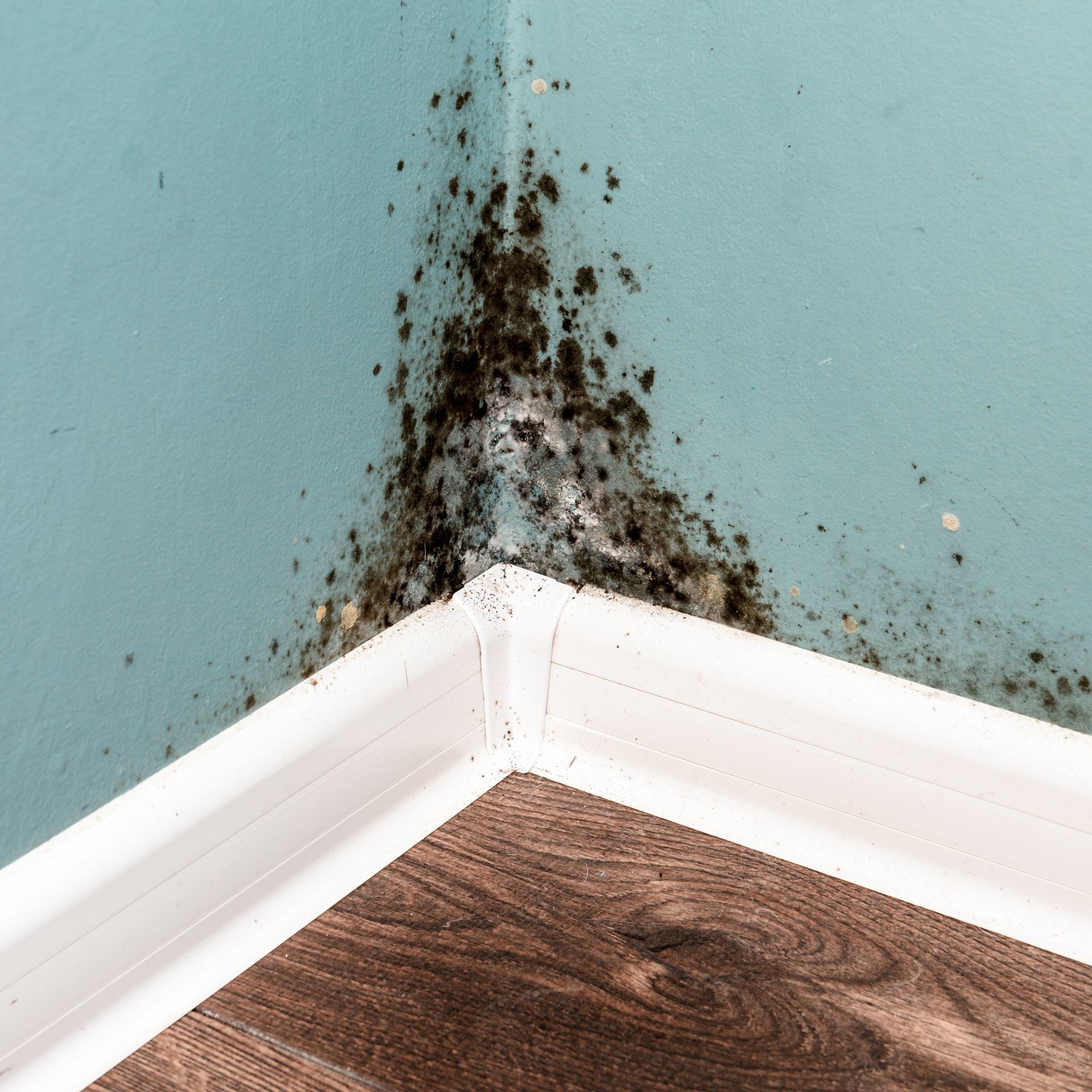
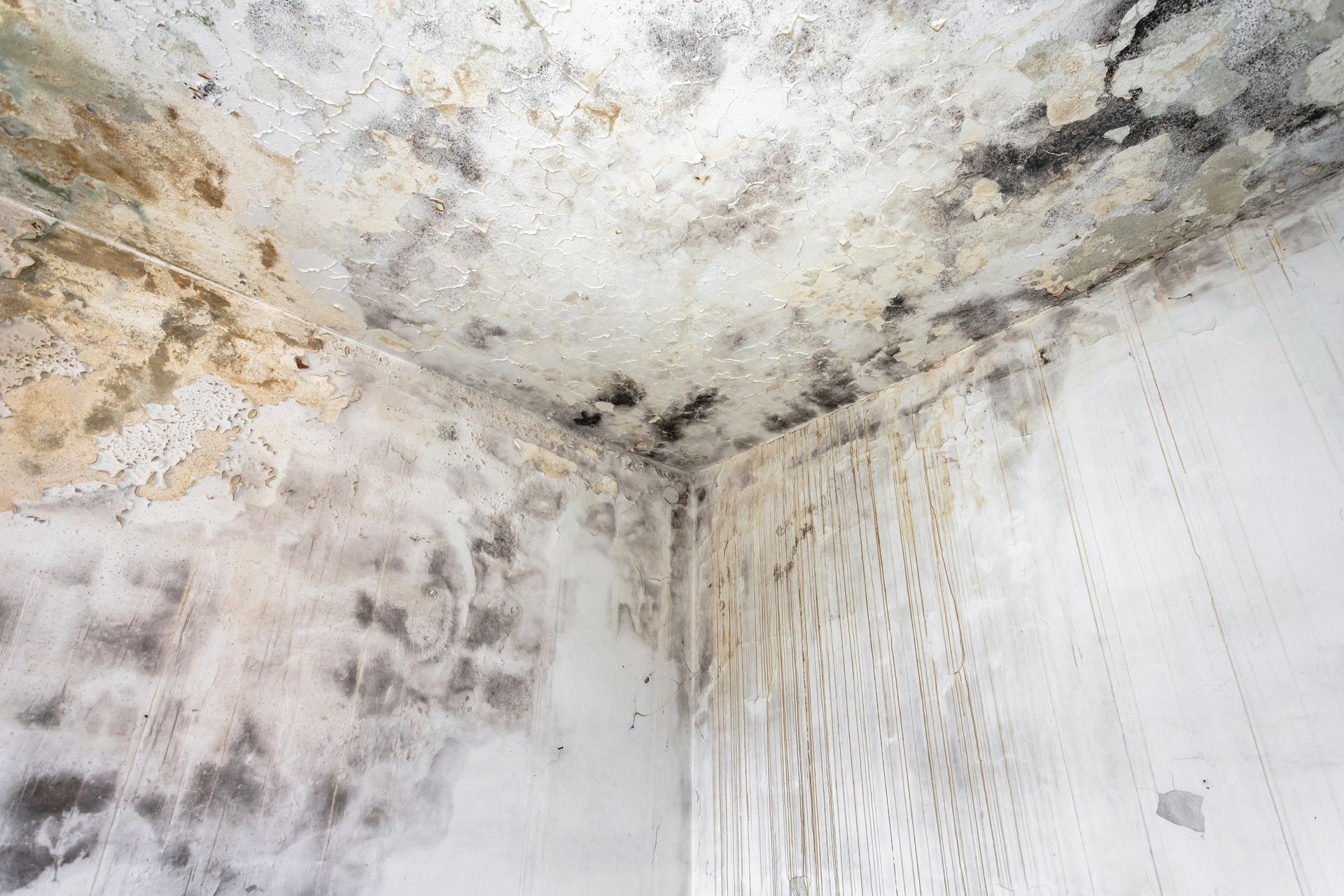
- Black, green, white, or grayish spots on walls, ceilings, or flooring
- Peeling paint, bubbling wallpaper, or water stains
- Worsening allergies, coughing, or breathing problems when you're home
- Air that always feels heavy, sticky, or damp
- Warped wood, soft drywall, or crumbling materials
- Mold on stored boxes, books, or furniture
Persistent Musty or Earthy Odors
A musty smell is usually the first sign of mold, even before you can see it. The smell comes from gases that mold releases as it grows.
Visible Discoloration on Walls, Ceilings, or Flooring
Mold can appear in many colors. Black, dark green, white, gray, and brown patches are the most common in basements.
Peeling Paint, Bubbling Surfaces, or Water Stains
These signs point to moisture problems behind the surface. Where there's hidden moisture, there's often hidden mold.
Increased Allergy or Respiratory Symptoms Indoors
If you notice more sneezing, coughing, watery eyes, or sinus issues when you're home, and the symptoms ease when you're away, basement mold could be the cause.
Damp or Humid Air That Never Seems to Go Away
A basement that always feels sticky or clammy has too much moisture. That moisture feeds mold, even if you can't see it yet.
Warped Wood, Damaged Drywall, or Soft Building Materials
Long-term moisture causes wood to warp and drywall to soften or crumble. These materials are often hiding active mold growth.
Mold Appearing on Stored Items and Belongings
If your stored boxes, books, photos, or furniture are growing mold, your basement humidity is too high. The same conditions are affecting your walls, floors, and ceilings.
Where Mold Commonly Hides in Basements
Most basement mold is hidden from view. After years of inspections, these are the spots we check first.
Behind Finished Basement Walls
Finished basements often hide mold behind drywall, especially near the floor where moisture wicks up from concrete. The mold can spread inside the wall cavity before anyone notices.
Under Carpet, Flooring, and Padding
Carpet pads soak up moisture like a sponge. Even after the surface looks dry, the padding can stay damp and grow mold underneath.
Around Sump Pumps and Drain Systems
Sump pumps and floor drains handle water for a living, so the area around them stays damp. If your sump pump fails or your drain backs up, mold often follows fast.
Near HVAC Equipment and Ductwork
Air handlers, condensate lines, and ducts can leak or sweat with condensation. Mold near your HVAC system is especially serious because it can spread spores through your whole house.
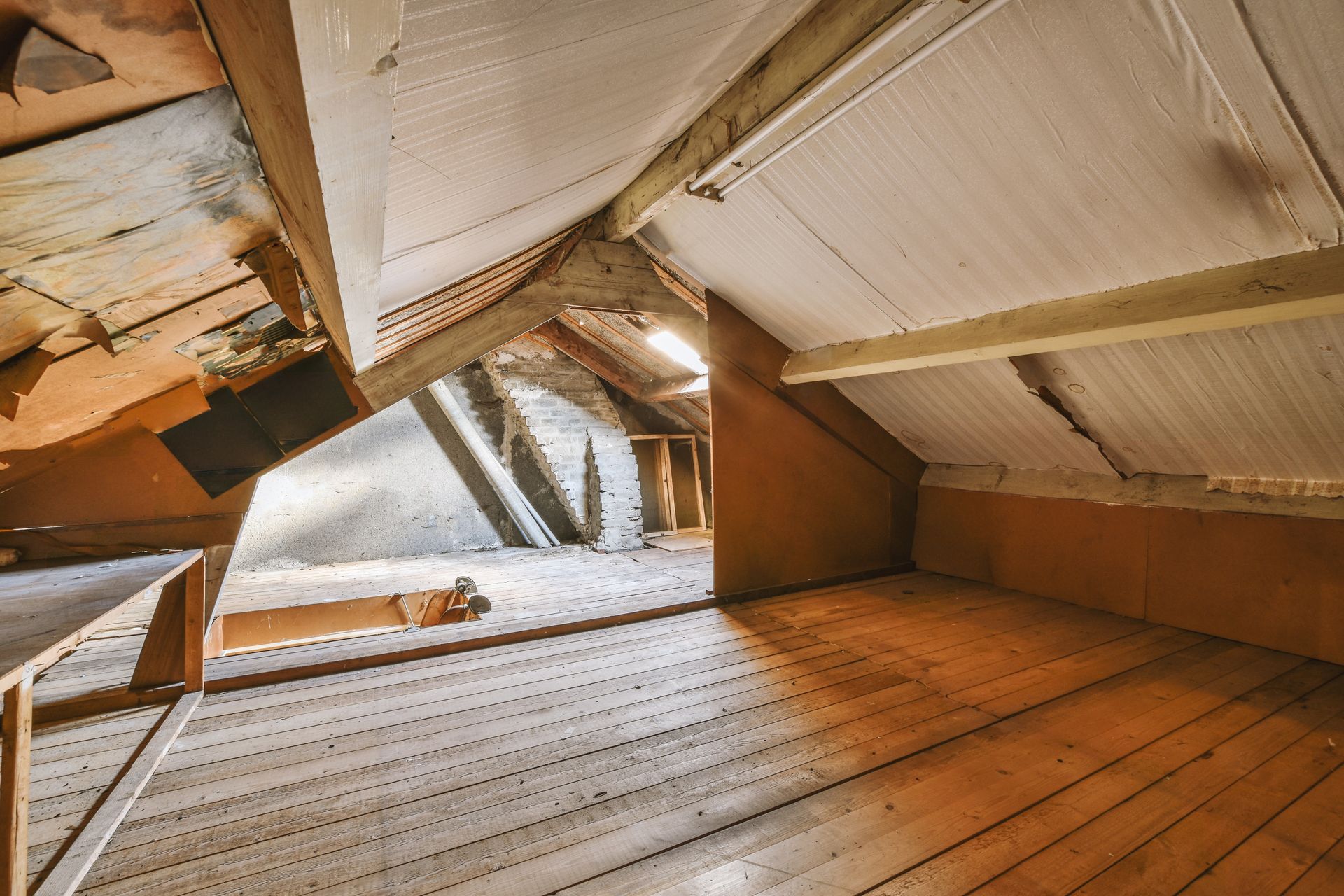
Inside Ceiling Cavities and Floor Joists
If a bathtub, sink, or appliance above the basement has ever leaked, the floor joists and basement ceiling can hide mold for years.
Is Basement Mold Dangerous?
It can be. Not every mold is toxic, but most molds can affect your health if you breathe in spores for a long time. The bigger the mold problem, the bigger the risk.
Potential Health Effects of Mold Exposure
The most common effects include sneezing, coughing, runny nose, itchy eyes, sinus pressure, headaches, and skin irritation. Long-term exposure to indoor mold can lead to more serious breathing problems for some people.
Why Children, Seniors, and Sensitive Individuals Face Greater Risks
People with asthma, allergies, weakened immune systems, or chronic lung conditions tend to react more strongly to mold. Children and older adults also tend to be more sensitive.
How Mold Can Impact Indoor Air Quality Throughout the Home
Basement air doesn't stay in the basement. It rises through floors, stairwells, and HVAC systems into the rest of the house. That means mold spores from your basement can spread through every room.
Can You Remove Basement Mold Yourself?
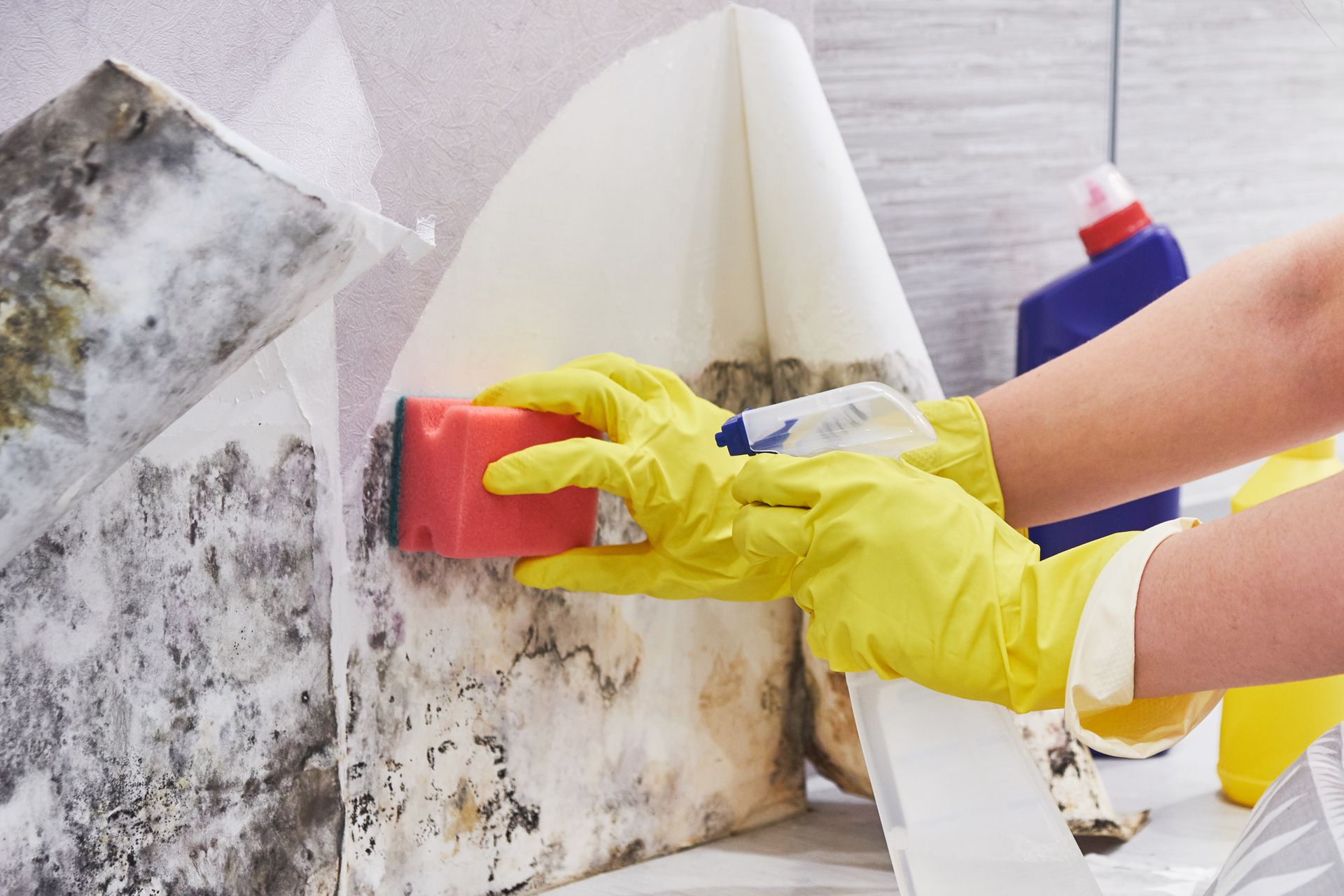
Sometimes, but not always. Small surface mold on hard, non-porous surfaces can often be cleaned with the right tools and safety gear. Larger problems need a professional.
Here's a quick comparison to help you decide:
| Factor | DIY Cleanup | Professional Remediation |
|---|---|---|
| Best for | Small surface mold under 10 square feet on hard surfaces | Larger areas, hidden mold, or mold inside building materials |
| Tools needed | Gloves, N95 mask, scrub brush, cleaning solution | HEPA filtration, containment barriers, moisture meters |
| Addresses moisture source | Usually no | Yes, includes a full moisture assessment |
| Risk of spreading spores | Higher, since cleaning can disturb mold | Lower, since the work area is sealed off |
| Long-term success | Often temporary if moisture remains | Higher when paired with moisture control |
| Health protection | Basic personal protective equipment | Full respirators and protective gear |
Situations Where DIY Cleanup May Be Appropriate
If the mold covers less than about 10 square feet, sits on a hard surface like tile or sealed concrete, and the cause of the moisture has already been fixed, a careful DIY cleanup may be enough.
The Limitations of Store-Bought Mold Treatments
Common DIY options like bleach, isopropyl alcohol, and store-bought sprays can remove surface stains, but they often don't kill the mold inside porous materials. The mold can come back within weeks if the moisture source isn't fixed.
Why Hidden Moisture Problems Often Return
DIY cleanup treats the visible mold. It doesn't fix the leak, crack, or humidity problem that caused the mold in the first place. Until that source is fixed, the mold will keep coming back.
When It's Time to Call a Professional Mold Remediation Company
Call a pro when the mold has spread, keeps coming back, or is tied to a bigger water problem. These are the situations where professional mold remediation is the right call.
Mold Covering Large Areas
If the mold covers more than about 10 square feet, the cleanup needs containment, filtration, and proper disposal that DIY methods can't
safely handle.
Recurring Mold After Previous Cleaning Attempts
When mold returns after you've cleaned it, the moisture source is still there. A professional can find the hidden cause and fix it.
Mold Following Flooding or Significant Water Damage
After a flood, mold can grow inside walls, under floors, and behind insulation in ways you can't see. A professional inspection finds and removes all of it.
Mold Inside Walls, Ceilings, or Structural Components
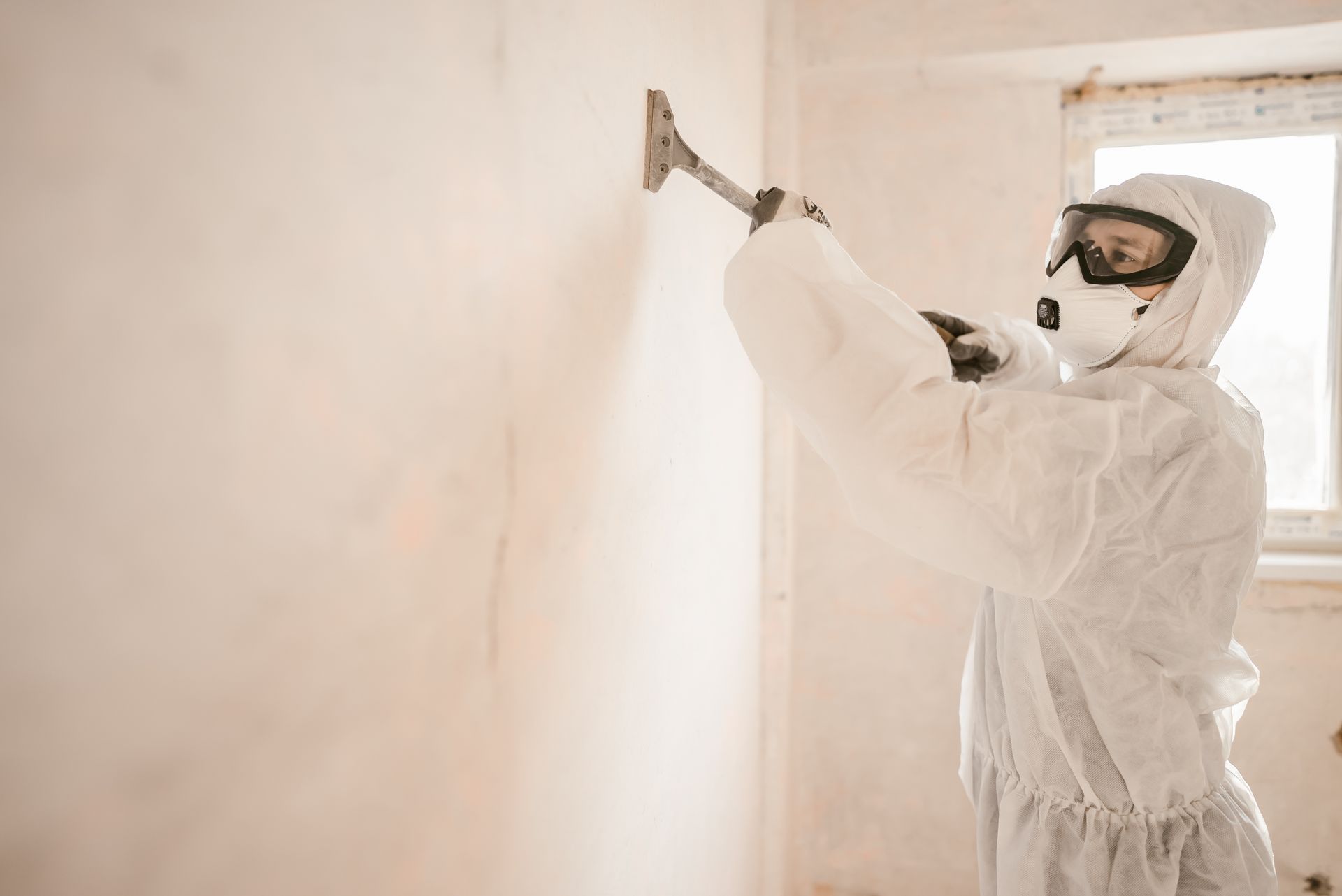
Mold inside walls or floor joists needs to be cut out, and the framing properly treated. This work requires the right tools and experience to do safely.
Health Symptoms Linked to Mold Exposure
If anyone in your home is having unexplained breathing problems, allergy flare-ups, or other symptoms that improve when you leave the house, don't wait. Get a professional inspection.
What to Expect During Professional Mold Remediation
A real mold remediation job is more than just cleaning. Here's what the process usually looks like:
- Inspection and moisture detection, to find all the mold and the source of the moisture
- Containment and air filtration, to keep spores from spreading during the work
- Safe mold removal and disposal, including removing damaged materials
- Drying, cleaning, and restoration of the affected area
- Prevention steps to help keep mold from coming back
Inspection and Moisture Detection
The first step is finding all the mold, not just what you can see. Moisture meters, thermal imaging, and air sampling help find hidden growth inside walls and ceilings.
Containment and Air Filtration
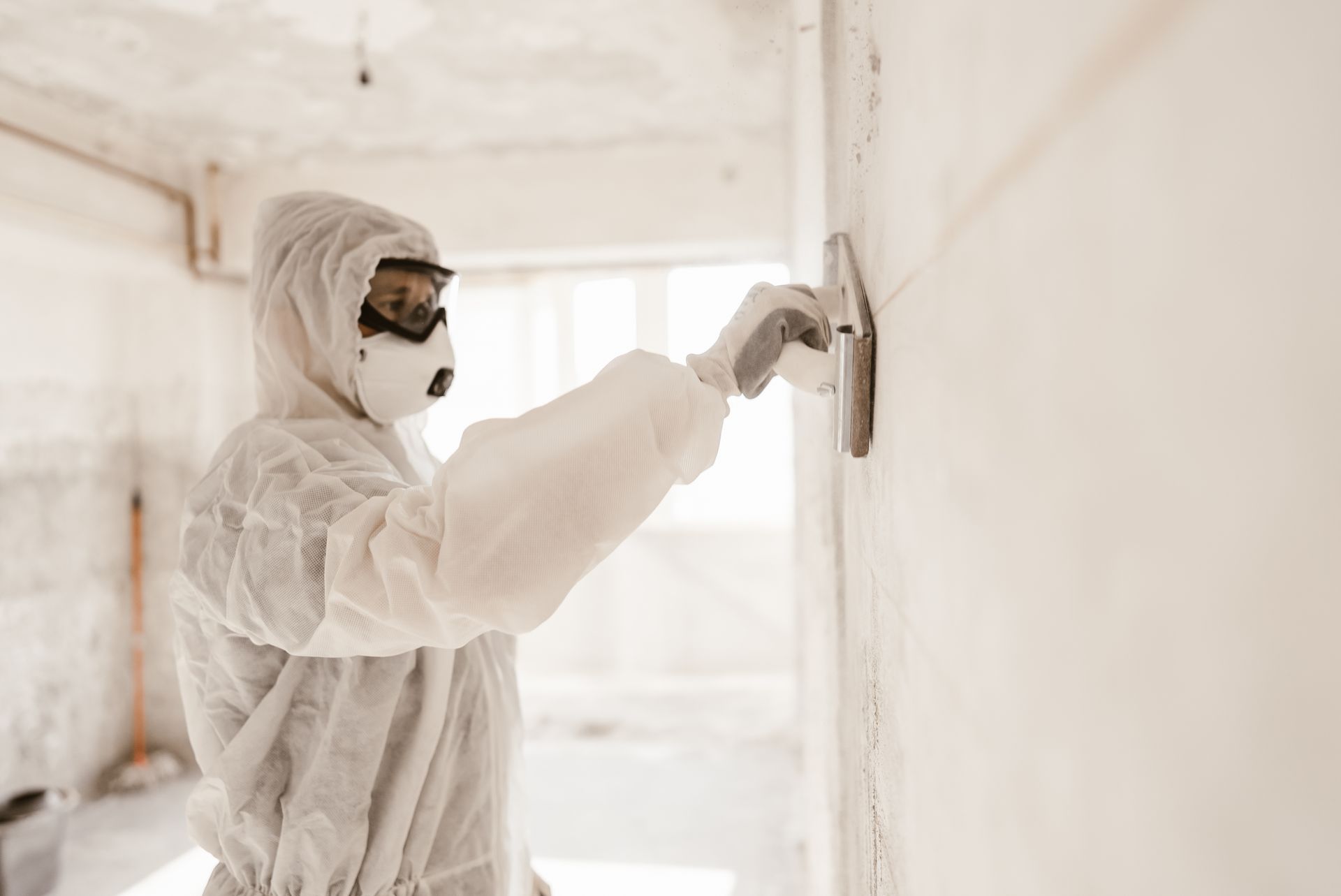
The work area is sealed off with plastic barriers, and HEPA air scrubbers run the entire time. This keeps mold spores from spreading to the rest of the house.
Safe Mold Removal and Disposal
Affected materials are removed, bagged, and disposed of safely. Surfaces that can be cleaned are treated with EPA-approved antimicrobial products.
Drying, Cleaning, and Restoration
After the mold is gone, the area is dried completely. Materials that were removed are replaced, and the space is restored to a clean, dry condition.
Preventing Future Mold Growth
This is the step a lot of homeowners miss on their own. A real remediation job includes steps to keep the mold from coming back.
Moisture Control Solutions
This may include adding a dehumidifier, sealing concrete, or improving drainage around the foundation.
Ventilation Improvements
Better airflow helps your basement stay dry. This may include adding vents, fans, or upgrading your HVAC system.
Waterproofing Recommendations
If foundation cracks, poor drainage, or groundwater are the issue, you may need basement waterproofing to fix the problem at the source.
How to Prevent Mold From Returning to Your Basement
The best mold problem is the one that never starts. These are the steps we recommend to every homeowner we work with:
- Keep basement humidity below 50 percent
- Fix leaks the same day you find them
- Run a dehumidifier in summer
- Clean gutters and extend downspouts away from the house
- Grade soil so it slopes away from the foundation
- Walk through your basement once a month to check for signs of moisture
Keep Humidity Levels Under Control
A good dehumidifier is one of the cheapest investments you can make. Aim for 30 to 50 percent humidity year-round.
Here's a quick reference for what different humidity levels mean for mold risk in your basement:
| Basement Humidity | Mold Risk | What to Do |
|---|---|---|
| Below 30% | Very low | Air may feel too dry; monitor for comfort |
| 30 to 50% | Safe range | Maintain with regular humidity monitoring |
| 50 to 60% | Elevated | Run a dehumidifier and check ventilation |
| Above 60% | High | Dehumidify and inspect for moisture sources |
| Sustained above 70% | Active mold conditions | Immediate action and inspection for hidden mold |
Address Leaks and Water Intrusion Quickly
Don't wait to fix small leaks. Mold can start growing within 24 to 48 hours of materials getting wet.
Improve Basement Ventilation
Stagnant air holds moisture. Better airflow helps dry out damp spots before mold can take hold.
Maintain Gutters, Downspouts, and Exterior Drainage
Most basement moisture comes from outside. Clean gutters, working downspouts, and proper grading keep water away from your foundation.
Schedule Routine Basement Inspections
Walk through your basement every month. Look for new stains, check for any musty odors, and inspect around appliances, pipes, and corners.
Don't Ignore the Early Signs of Basement Mold
The earlier you catch basement mold, the easier and cheaper it is to deal with. Waiting almost always makes it worse.
Why Early Action Saves Money and Protects Your Home
A small mold problem can often be handled with basic cleanup. A large one can damage drywall, framing, and insulation and cost much more to fix. Early action keeps the problem small.
When Professional Help Can Prevent Larger Structural and Health Problems
If you're seeing more than a small patch of mold, or your family is having unexplained health symptoms, professional remediation can stop the damage before it spreads to the rest of your home.
Next Steps if You Suspect Mold in Your Basement
If you think you might have basement mold, take these steps right away:
- Walk through your basement and note any visible discoloration, moisture, or musty smells
- Take dated photos of any mold or moisture you find, in case you need them for an insurance claim
- Identify and stop any active leaks if you can safely do so
- Avoid disturbing the mold, since cleaning or scraping it can release spores into the air
- Schedule a professional mold inspection if the mold covers a large area, keeps returning, or follows a water event
A trained technician can confirm what you're dealing with and recommend the right plan. For a broader walkthrough that applies beyond the basement, see our guide on what to do if you suspect mold in your home.
Get Help With Basement Mold in Connecticut
If you've noticed musty smells, visible mold, or moisture problems in your basement, don't wait for the problem to grow. Our team handles mold inspection and remediation across Connecticut, with the training and equipment to find hidden mold and fix the source so it doesn't come back.
Contact Anthony's Abatement today to schedule a basement inspection and protect your home and your family from the health and structural risks of mold.
Frequently Asked Questions
Share this Post
Recent Blog