What Does Asbestos Look Like? A Homeowner's Visual Guide
At Anthony's Abatement, we have handled asbestos testing and removal across West Hartford, Hartford, and surrounding Connecticut communities for years. Our team is licensed under Asbestos License #841, HIC #0656806, and Lead Abatement #CT 002413. We have inspected hundreds of homes built before 1980, and we know exactly where asbestos hides and what it looks like in real-world conditions. This guide is based on that hands-on experience. Our goal is not to sell you anything. It is to give you honest, useful information so you can make smart decisions about your home and your family's safety.
Why It's Important to Recognize Asbestos
Asbestos is not just a thing of the past. Millions of American homes still contain it today, especially those built before 1980. When asbestos fibers get into the air, they can be inhaled and become stuck in the lungs. Over time, this can cause serious diseases like mesothelioma, lung cancer, and asbestosis. These conditions can take 10 to 40 years to show up, which makes asbestos especially dangerous. By the time someone feels sick, the exposure may have happened decades ago.
The most common times homeowners disturb asbestos without knowing it are during renovations. Drilling, cutting, sanding, or tearing out old materials can release fibers into the air. That is why knowing where asbestos is likely to be found, and what those materials tend to look like, can protect you before you ever pick up a tool.
That said, here is the most important thing to understand upfront: you cannot confirm asbestos just by looking at it. Visual clues can raise a red flag, but only laboratory testing can tell you for sure. Keep that in mind as you read through this guide.
What Does Asbestos Look Like in General?
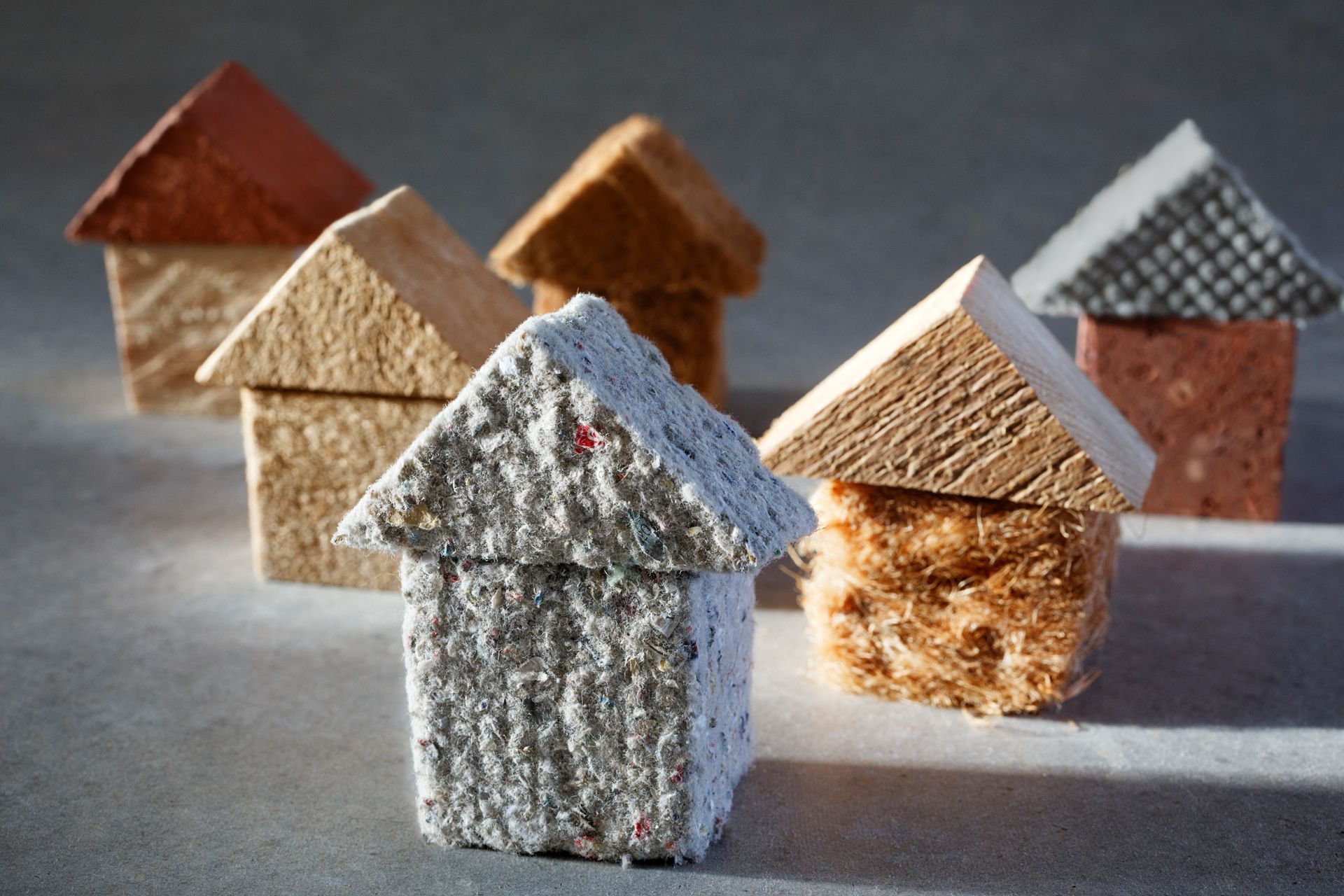
Asbestos is not one single material. It was mixed into more than 3,000 different building products over the decades. That means it does not have one single appearance.
In its raw, unprocessed form, asbestos looks like a fluffy or fibrous mineral. Depending on the type, it can be white, grey, blue, or brown. Chrysotile, the most common type, is white. Amosite is brown. Crocidolite is blue. But in a home, you will almost never see raw asbestos. Instead, it is mixed into solid materials like cement sheets, floor tiles, and ceiling coatings.
There are two main categories of asbestos-containing materials:
Friable asbestos can be crumbled by hand. It is soft and releases fibers easily. Pipe insulation and sprayed coatings are common examples. This type is considered higher risk because fibers escape more easily.
Non-friable asbestos is bound into a hard material, like floor tiles or cement sheeting. It is less likely to release fibers unless it is cut, drilled, or broken. In good condition, non-friable materials are generally lower risk, but they still need to be tested before any work begins.
Here is the hard truth: asbestos fibers are microscopic. You cannot see individual fibers with the naked eye. A material can look perfectly normal and still contain asbestos. This is why the age of your home matters more than what you can see.
Common Materials That Contain Asbestos
If your home was built before 1980, the following materials are worth paying attention to. Many of them were standard in construction during that era. This is not a complete list, but it covers the most common locations where asbestos shows up in residential homes.
| Material | Where You Find It | What It Looks Like | Risk Level |
|---|---|---|---|
| Cement sheets and panels | Exterior walls, eaves, garages, fences | Flat or corrugated grey panels, smooth or slightly gritty | Low when intact, high when cut or broken |
| Pipe and boiler insulation | Basements, utility rooms, pipe chases | Grey or off-white fibrous wrap, sometimes with canvas outer layer | High, especially if crumbling |
| Loose-fill attic insulation | Attic floors and cavities | Fluffy grey or white clumped fibers | Very high, do not disturb |
| Vinyl floor tiles and adhesive | Kitchens, bathrooms, basements | 9x9 inch square tiles in any color, black mastic adhesive beneath | Low when intact, high when removed |
| Textured ceiling coatings | Living rooms, hallways, bedrooms | Swirled, stippled, or bumpy white surface | Low when intact, high when scraped or drilled |
| Acoustic ceiling tiles | Basements, utility spaces | Off-white or grey square tiles with holes or pressed texture | Moderate |
| Drywall joint compound | Walls and ceilings throughout the home | Looks like ordinary drywall finishing, no visible difference | High when sanded |
| Roofing shingles and felt | Roof surface and underlayment | Looks like standard shingles, may appear weathered or brittle | Low when intact, high when removed |
| Siding panels | Exterior walls | Flat or lightly textured grey panels, common in New England homes | Low when intact, high when drilled or cut |
| Fireproof boards and gaskets | Around furnaces, fireplaces, heating systems | Light grey or off-white board, similar in appearance to drywall | Moderate to high |
Asbestos Cement Products (Sheets, Panels, Roofing)
Asbestos cement, sometimes called "fibro," was one of the most widely used building materials of the 20th century. It was made by mixing asbestos fibers into Portland cement, typically with an asbestos content of 10 to 25 percent.
It comes in several forms. Flat sheets were used as wall cladding, eave lining, and garage walls. Corrugated sheets were used on roofs and fences. Wall panels were often installed in basements and utility rooms.
Visually, asbestos cement tends to be grey or off-white. It looks and feels like regular cement board. On older homes, you may notice the edges look slightly fibrous when broken or chipped. Corrugated roofing made from asbestos cement is often confused with metal roofing from a distance, but it is heavier and more brittle. Look for signs of cracking, chipping, or moss growth on older panels.
One important note: asbestos cement in good condition releases very few fibers on its own. The risk goes up sharply when it is cut, drilled, or broken.
Asbestos Insulation and Lagging
Insulation was one of the highest-risk uses of asbestos because it often had very high fiber content, sometimes as much as 85 percent. It was used on pipes, boilers, HVAC ducts, and in attic spaces.
Pipe insulation containing asbestos is typically wrapped around pipes in a grey or off-white fibrous jacket. It may look like plaster, wrapped cloth, or a crumbly white coating. Sometimes it has a canvas or paper outer layer. If that outer layer is torn or crumbling, it is a serious warning sign.
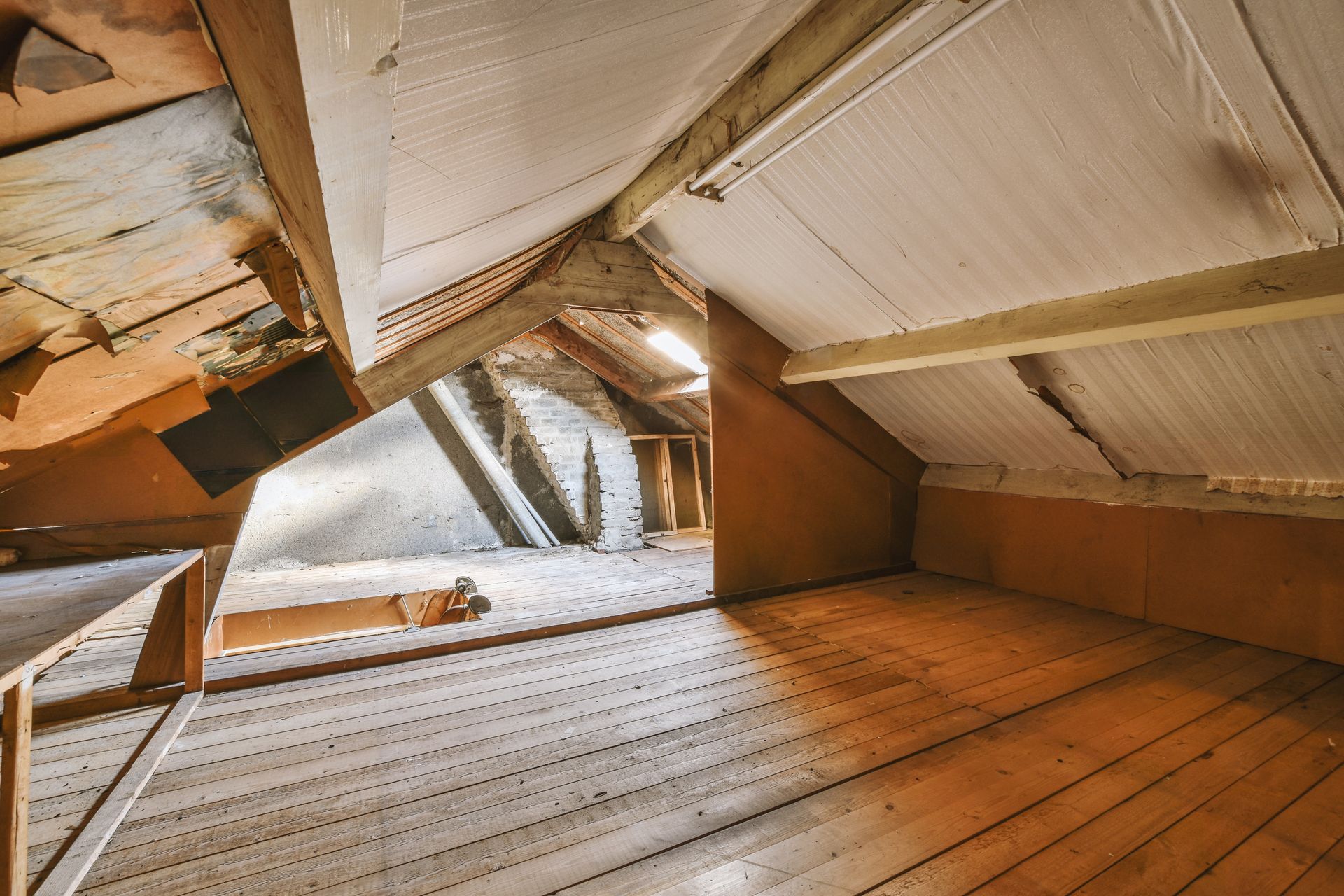
Loose-fill insulation, sometimes called "fluffy" insulation, was blown into attic spaces in some older homes. It looks like grey or white cotton candy or clumped fibers. This is one of the most dangerous forms because fibers are not bound into a solid material. Do not disturb it.
Boiler and furnace insulation in older homes is another common location. It typically looks like a thick grey coating applied directly to the boiler body or surrounding pipes.
Asbestos Floor Tiles and Backing
Vinyl floor tiles from the 1950s through the 1970s are one of the most common places to find asbestos in a home. The tiles themselves contained 2 to 20 percent asbestos, and the black adhesive used to glue them down also frequently contained asbestos.
The 9x9 inch square vinyl tile is a well-known indicator. These tiles were standard in that era and are a common size to look for in older kitchens, bathrooms, and basements. They come in a wide range of colors and patterns. They look just like any other vinyl floor tile, which is exactly the problem.
Even if the tiles themselves have been covered with new flooring, the original adhesive layer underneath may still be there. If you are pulling up old flooring in a pre-1980 home, assume the backing and adhesive contain asbestos until tested.
Asbestos Ceiling Materials and Textured Coatings
Textured coatings on ceilings, commonly called popcorn ceilings or Artex, were applied in homes throughout the 1960s and 1970s. The EPA banned spray-applied asbestos products in 1973, but contractors continued to use existing stock into the late 1970s, and some applications carried on into the early 1980s.
These textured coatings typically look like a swirled, stippled, or bumpy white surface. The asbestos content is usually between 3 and 5 percent. In good condition, these ceilings are not releasing fibers. The danger comes when you scrape, sand, or drill through them.
Asbestos was also used in ceiling tiles, particularly the square acoustic tiles found in older basements and utility spaces. These tend to be off-white or grey, and often have small holes or a textured pattern pressed into them.
Other Household Materials That May Contain Asbestos
Several other locations in older homes are often overlooked:
Roofing shingles. Asbestos was used in some asphalt and cement roofing shingles. They look like standard shingles but may have a slightly different texture or weathering pattern. If your roof has never been replaced on a pre-1980 home, it may be worth having it checked before any roofing work.
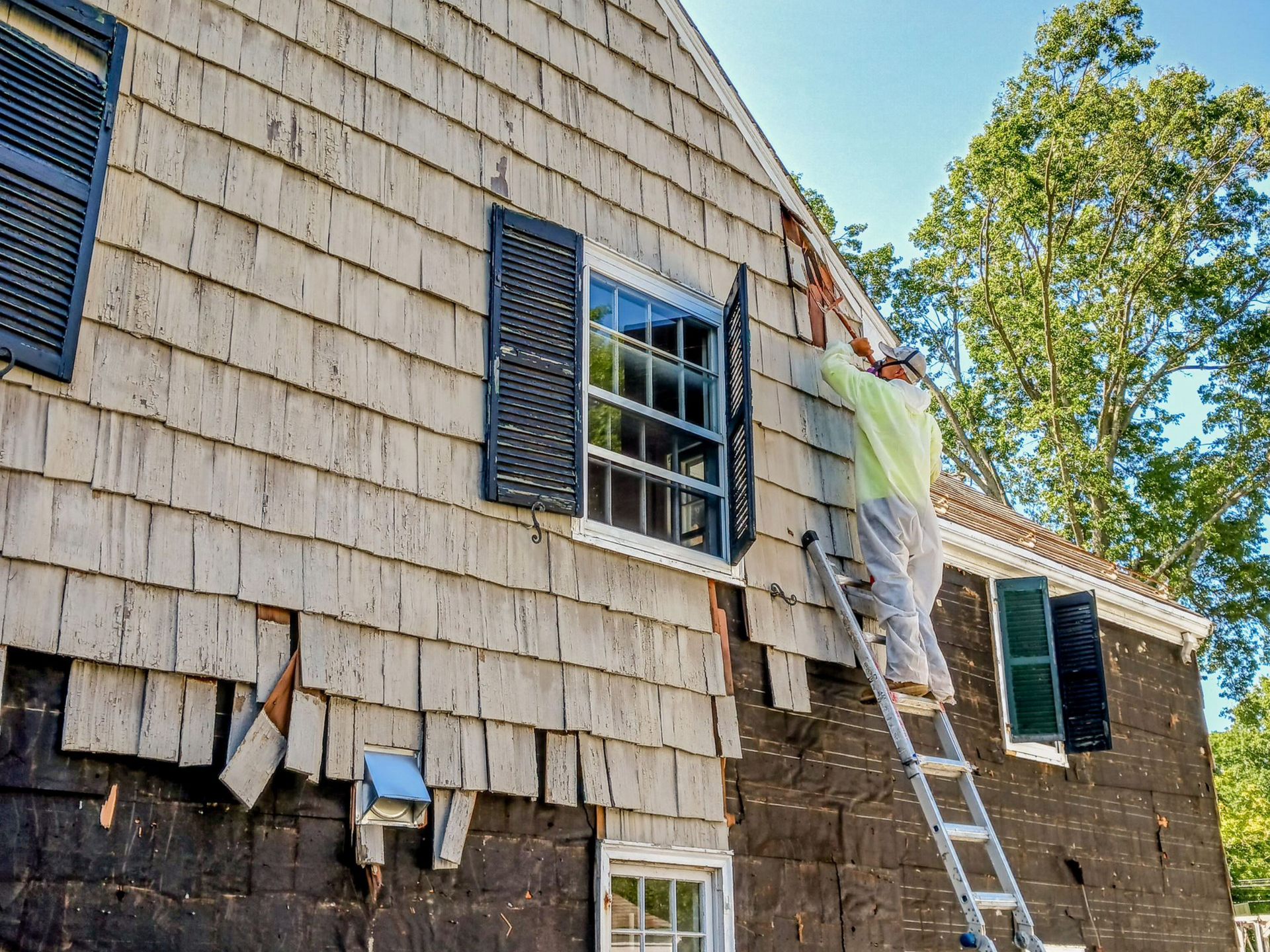
Siding panels. Some homes have flat or slightly textured grey panels on their exterior walls. These panels, sometimes called "shingle siding" or "clapboard siding," may be made of asbestos cement. They are common in New England on homes built from the 1930s through the 1960s.
Fireproof boards and gaskets. Asbestos boards were used as fireproof lining inside walls, around furnaces, and near fireplaces. They look like standard drywall or insulation board, usually light grey or off-white. Gaskets in older heating systems and appliances also frequently contained asbestos.
Joint compound and drywall. Asbestos was mixed into drywall joint compound and texture paints until the mid-1970s. If your home has original drywall finishing from before 1977, the compound used to tape and finish those seams may contain asbestos.
How to Tell If a Material Might Contain Asbestos
Since you cannot tell by looking, here are the factors that raise the probability:
- Age of the home. If the home was built before 1980, the risk is significant. If it was built before 1960, the risk is very high for many materials. This is the most useful single piece of information you have.
- Condition of the material. Damaged, crumbling, flaking, or deteriorating materials are more likely to release fibers. A popcorn ceiling with water damage or a pipe wrap that is falling apart should be treated as urgent concerns.
- Location in the home. Pipe chases, basements, utility rooms, attics, and older bathrooms are higher-risk areas. These spaces often contain original materials that were never updated.
- Upcoming renovation work. Any time you plan to drill, cut, sand, knock down walls, or pull up flooring in a pre-1980 home, you should assume the materials may contain asbestos until tested.
Can You Identify Asbestos Just by Looking at It?
No. This is the most important takeaway from this entire guide.
Even trained inspectors cannot confirm asbestos through visual examination alone. It takes microscope analysis in a certified laboratory to make a positive identification. There are no color-coded warnings, no labels, and no obvious signs that distinguish an asbestos-containing tile from a safe one.
Some common misconceptions are worth clearing up. Not all grey cement board contains asbestos. Not all textured ceilings contain asbestos. But some do, and there is no way to know without testing. Acting on appearance alone could lead you to either miss asbestos that is there, or spend money treating something that is not.
The safest approach is always the same: if the home is old enough and the material is the right type, get it tested before you disturb it.
What to Do If You Suspect Asbestos in Your Home
If you think a material in your home might contain asbestos, here is what to do:
- Do not touch or disturb it. Leave it exactly as it is. Asbestos that is intact and undisturbed is far less dangerous than asbestos that has been broken up or scraped.
- Do not try to sample it yourself. DIY test kits require you to take a sample of the material, which means breaking into it. That is exactly the action that can release fibers. The small cost savings are not worth the risk.
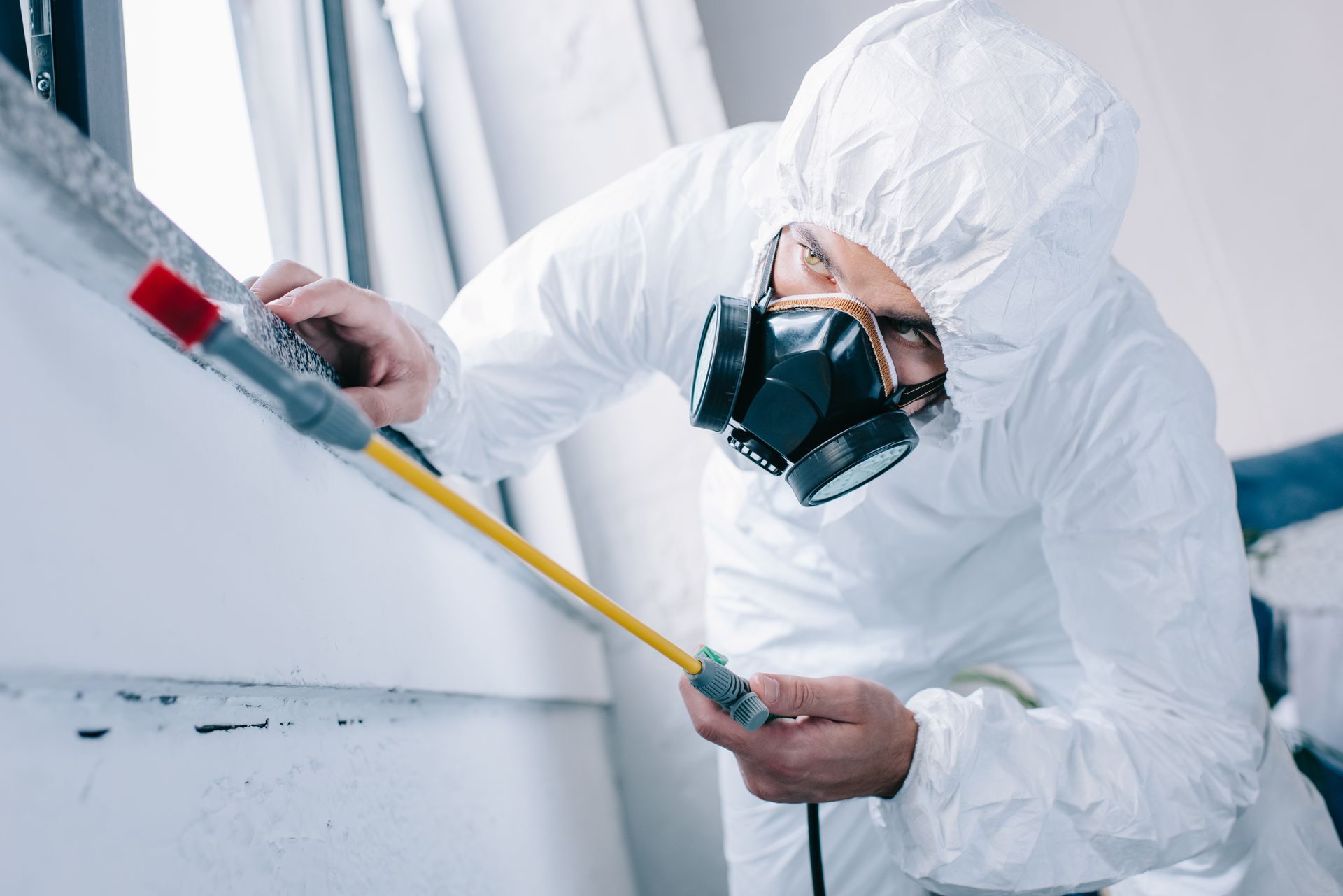
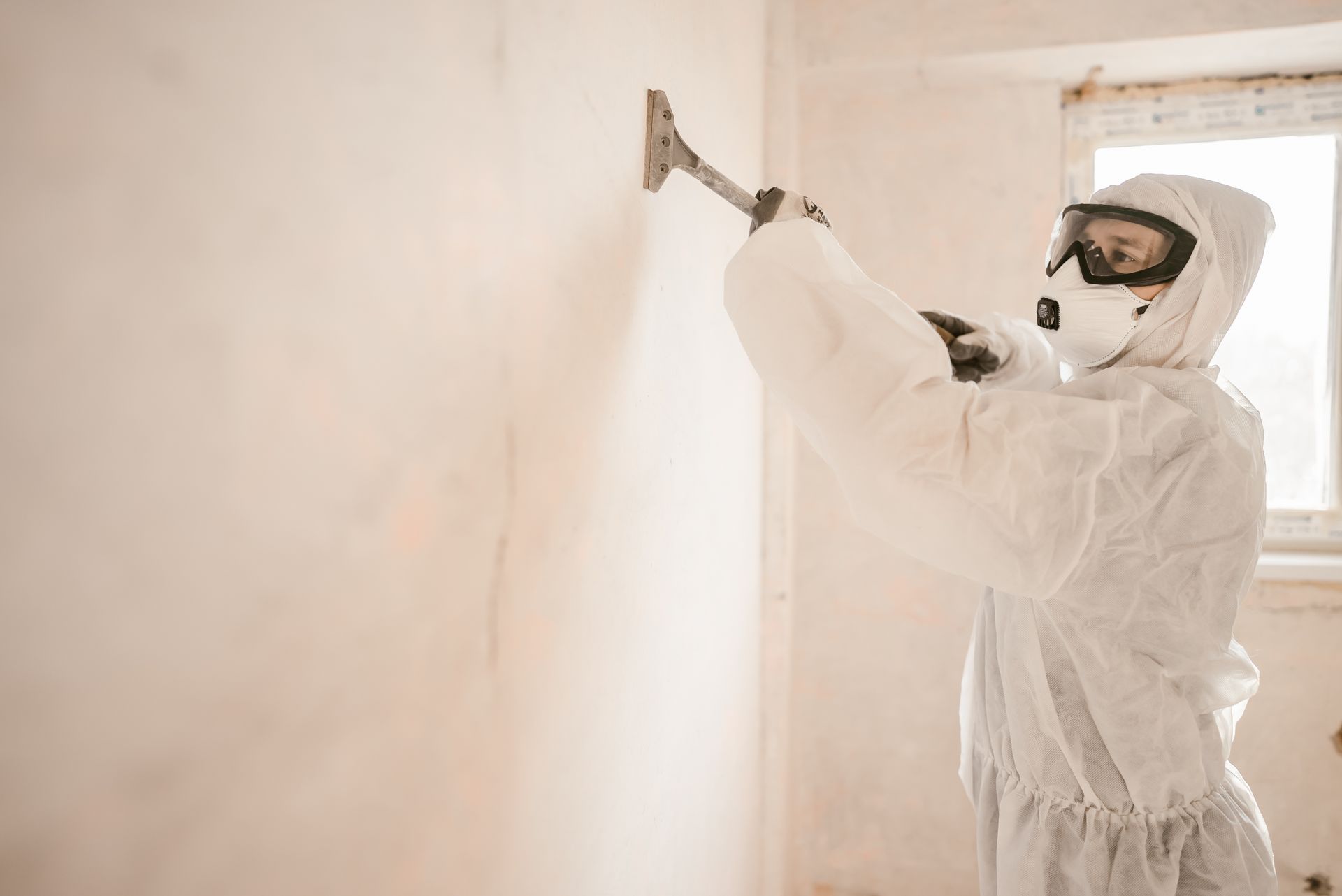
- Contact a licensed inspector. A qualified asbestos professional will assess the material, collect samples safely using the right equipment and protective gear, and send them to an accredited lab. You will receive a written report with clear results.
- Take note of any symptoms. If anyone in the household has experienced unexplained respiratory issues and the home is older, that is worth mentioning to both a doctor and the inspector.
Safe Handling and Next Steps
If testing confirms asbestos in your home, you have two main options depending on the condition and location of the material.
Encapsulation means sealing the asbestos material so that fibers cannot escape. This is sometimes an option for materials in good condition that are not going to be disturbed. It is not a permanent solution but can be appropriate in certain situations.
Abatement is the full removal of asbestos-containing materials by a licensed contractor. This is required when materials are damaged, when renovation work would disturb them, or when they pose an ongoing risk due to their location or condition.
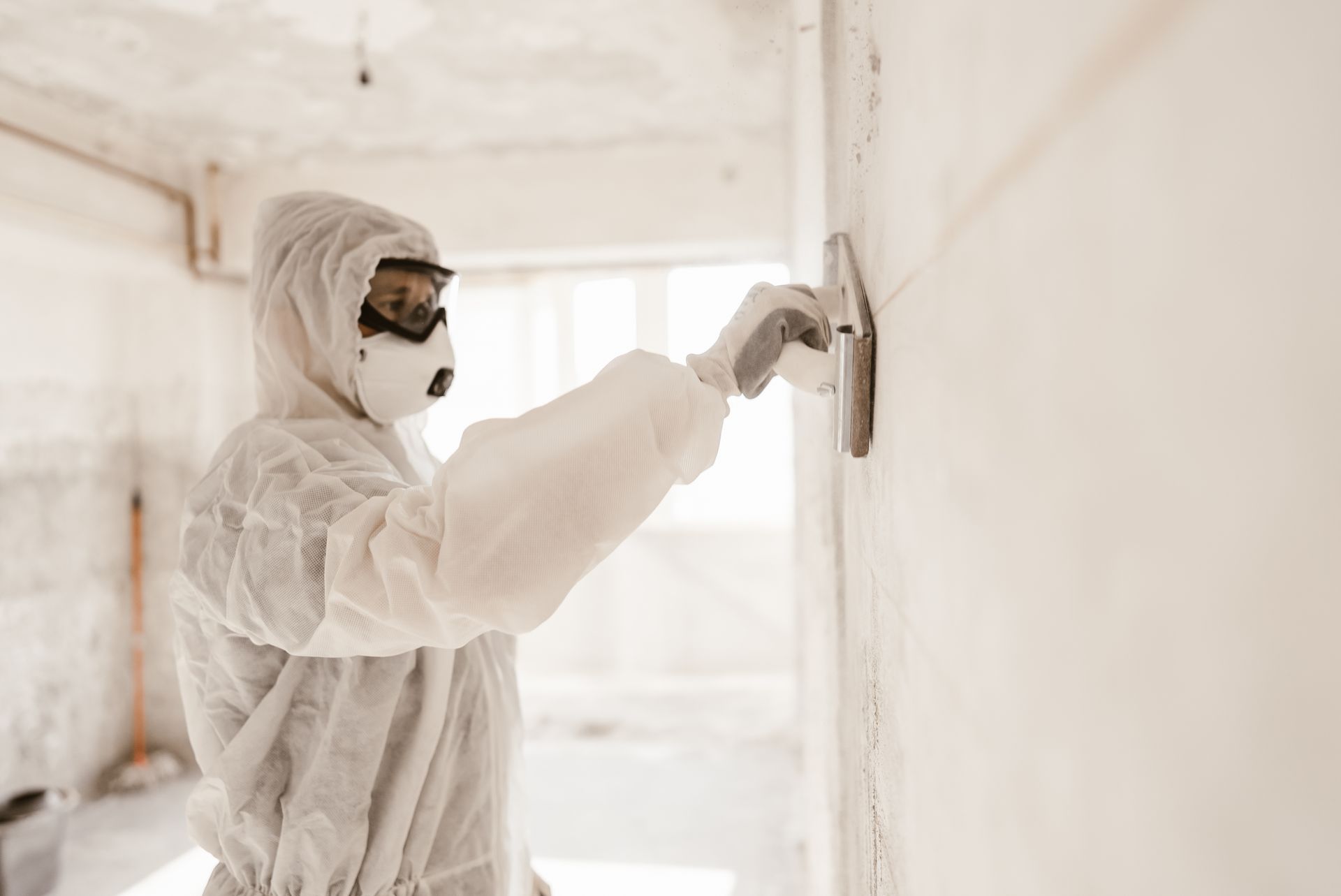
Do not attempt either of these on your own. DIY asbestos removal is illegal in Connecticut without the proper licenses. More importantly, it puts you and anyone in the home at serious risk. Licensed abatement contractors follow strict containment and disposal protocols that are required by state and federal law.
For homes with lead paint testing and removal needs alongside asbestos, both can often be addressed in the same inspection and project scope.
Final Thoughts: When in Doubt, Get It Tested
Asbestos does not always look dangerous. It often looks completely ordinary. That is what makes it such a hidden hazard in older homes across Connecticut.
You do not need to panic if your home was built before 1980. Asbestos that is intact and undisturbed is not an immediate emergency. But you do need to be careful any time you plan to renovate, repair, or work on the structure of an older home.
The right approach is simple: identify the materials that might be a concern, leave them alone, and arrange for professional asbestos testing before any work begins. A clear report from a licensed inspector gives you the information you need to move forward safely.
If you are in West Hartford, Hartford, New Britain, Bristol, East Hartford, Wethersfield, Newington, Windsor Locks, Middletown, Meriden, or the surrounding area, Anthony's Abatement is licensed and ready to help. Call (860) 385-8501 or visit the contact page to schedule a free consultation. When it comes to asbestos abatement in Connecticut, getting it done right from the start is always the better choice.
Frequently Asked Questions
Share this Post
Recent Blog