Lead Paint Testing in Connecticut: What Homeowners Need to Know
At Anthony's Abatement, we've spent years testing for lead paint in homes across Connecticut, from 1800s colonials to mid-century capes. Many of the houses we test still hold lead paint, often hidden under newer coats, around windows, behind trim, or in soil near the foundation. This page pulls from that field experience to help you understand what lead paint testing involves, when it's worth doing, and what your options are if lead turns up.
Here's the short answer: if your home was built before 1978, you're planning a renovation that will disturb painted surfaces, you're buying or selling an older property, or anyone in the home has tested positive for elevated lead levels, professional lead paint testing is the right next step. The sections below walk through everything you need to know.
Why Lead Paint Remains a Concern in Connecticut Homes
Lead paint isn't just a problem from the distant past. It's still sitting on millions of walls, window frames, and porches across the country, and Connecticut has more of it than most states.
Why Older Connecticut Homes Are More Likely to Contain Lead Paint
Connecticut has one of the oldest housing stocks in the country. Many homes were built well before lead-based paint was banned for residential use in 1978, and even homes built in the 1960s and 1970s often used it until the rules changed. That means lead paint is still present in a large share of CT homes, often hidden under newer paint layers, behind moldings, or around windows.
Older homes also commonly contain other materials from the same era that are now known hazards, including asbestos in floor tiles, insulation, and siding.
The Health Risks Associated With Lead Exposure
Lead is harmful at any level of exposure. It builds up in the body over time and can affect the brain, nervous system, kidneys, and blood. In adults, lead exposure has been linked to high blood pressure, memory problems, and reproductive issues. In children, it can cause permanent damage to brain development, learning, and behavior.
According to the CDC, no level of lead in a child's blood is considered safe.
Who Is Most Vulnerable to Lead Hazards
Children under six are at the highest risk because their developing bodies absorb lead more easily, and young children often put hands and toys in their mouths. Pregnant women are also at high risk, since lead can pass to a developing baby. Older adults and people with kidney conditions may have stronger reactions to lead exposure as well.

What Is Lead Paint Testing?
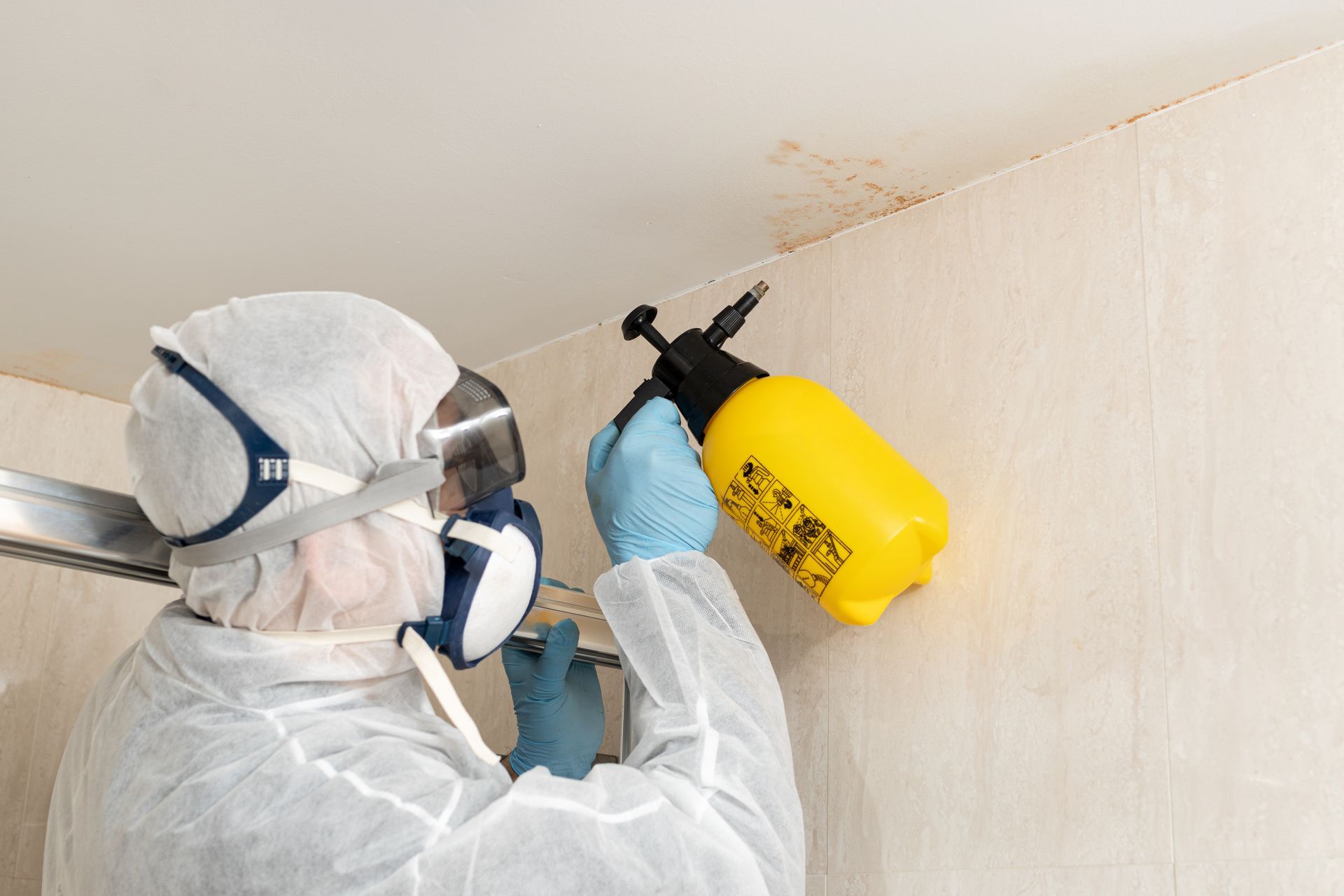
Lead paint testing is the process of checking your home's painted surfaces, dust, soil, and sometimes water for lead. The goal is simple: find lead before it puts your family at risk.
The Purpose of Professional Lead Paint Testing
A professional test does what a home kit can't. It identifies how much lead is present, where it is, and whether it's an active hazard or just a sealed layer that's stable for now. That information shapes what comes next, whether that's a renovation plan, a sale disclosure, or abatement work.
How Lead Testing Identifies Hidden Hazards
Lead paint is often buried under layers of newer paint. From the outside, the surface can look perfectly fine. Professional testing identifies lead even when it's hidden underneath, and finds the dust and soil contamination that often comes with old lead paint.
When Testing Is Recommended for Residential and Commercial Properties
Lead testing is recommended for any building constructed before 1978, before a renovation that will disturb painted surfaces, before a sale or purchase, when paint shows damage, after a child tests positive for elevated lead levels, and for any rental property that needs to meet state or federal lead safety rules.
When Should You Schedule Lead Paint Testing?
There are five common situations where lead testing should happen before anything else moves forward.
Before Buying or Selling an Older Home
If you're buying a home built before 1978, lead testing during the inspection period can save you from inheriting a serious problem. If you're selling, federal law requires you to disclose any known lead-based paint hazards, and accurate testing gives you the information to share.
Prior to Renovation, Remodeling, or Demolition Projects
Disturbing painted surfaces in older homes releases lead dust into the air. Testing before any renovation lets you plan the work safely. Renovations on pre-1978 homes are also regulated, and testing is the first step toward staying compliant.
When Paint Is Peeling, Chipping, or Deteriorating
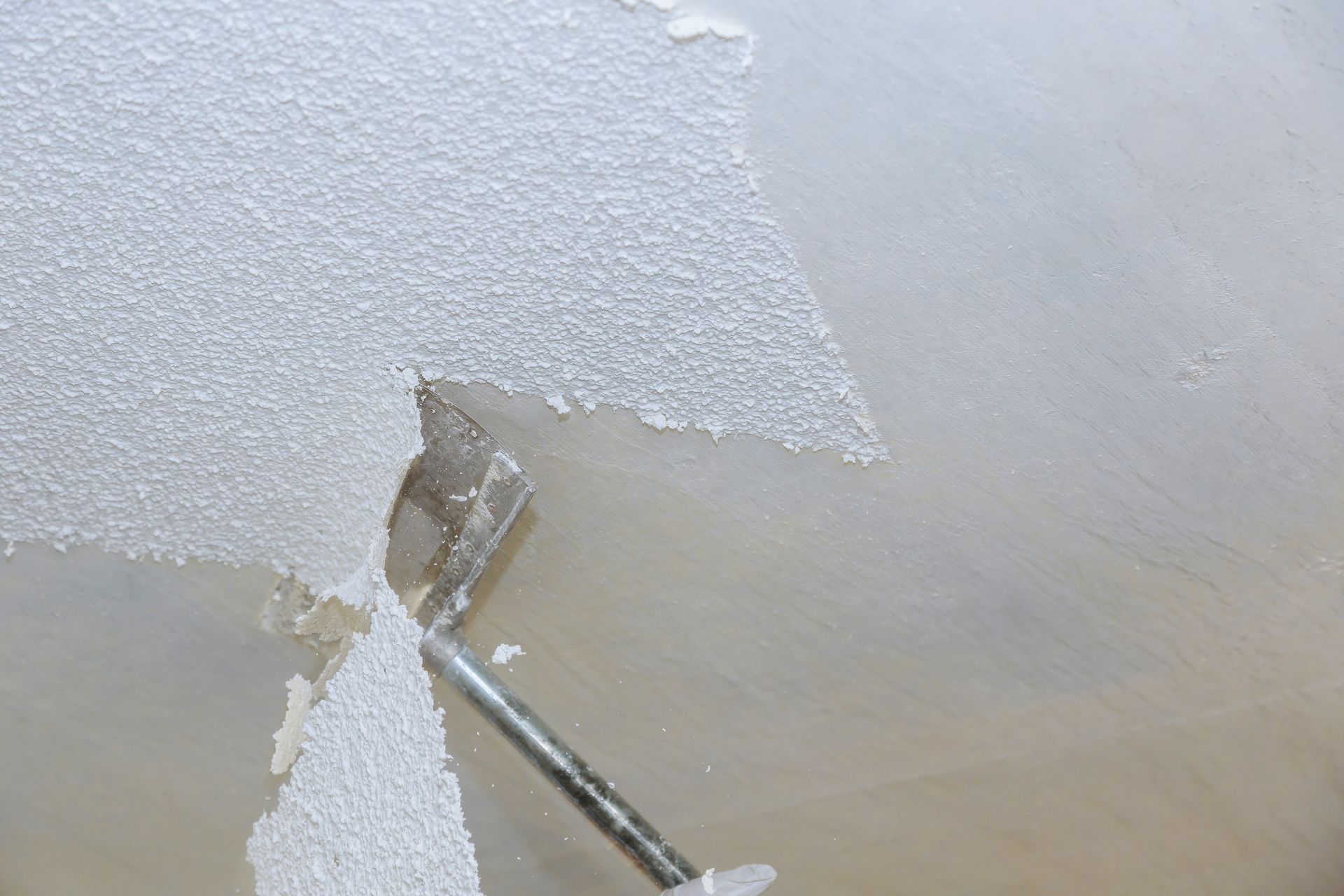
Damaged paint is the most direct lead hazard in any home. When the paint is breaking down, lead particles end up on floors, window sills, soil, and stored items, where children and pets can come in contact with them.
Following a Positive Lead Exposure Concern
If anyone in your home, especially a child, has had a blood test show elevated lead levels, your home is one of the first places to investigate. A lead paint test can find the source.
For Rental Properties and Housing Compliance Requirements
Connecticut landlords and property managers have specific lead paint duties, especially for properties built before 1978 with children under six. Testing helps you stay in compliance and protects your tenants.
Common Signs Your Property May Need Lead Testing
These are the signs we see most often in properties that turn out to have lead paint:
- The home was built before 1978
- Paint is cracking, flaking, chipping, or peeling
- Visible paint dust collects around windows, doors, or trim
- Previous renovations were done without lead-safe documentation
- Children or other occupants have tested positive for elevated lead levels
- Old layers of paint show through chipped or worn areas
- Soil near the foundation has visible paint chips or discoloration
Homes Built Before 1978
The year 1978 is the line because the federal ban on lead-based residential paint took effect that year. Any home older than that could contain lead, and many built right around the change still do.
Cracked, Flaking, or Damaged Paint Surfaces
When lead paint stays intact and sealed, the risk is much lower. The moment it starts to crack, peel, or flake, that lead becomes airborne and reachable.
Lead Dust Around Windows, Doors, and Trim
These high-friction areas are where lead dust tends to settle. Window troughs especially can hold years of accumulated lead dust from sashes rubbing together.
Previous Renovations Without Lead Safety Documentation
If the home has been renovated and there's no proof that lead-safe practices were followed, the renovation may have spread lead dust through the house.
Children or Occupants Showing Elevated Lead Levels
A positive blood test for any member of the household is a clear signal to investigate the home. Lead doesn't just appear in the body; there's almost always a source.
How Professional Lead Paint Testing Works
A professional test is a structured process. Here's what to expect:
- Initial property assessment, where the inspector reviews the home's history and identifies high-risk areas
- XRF lead paint testing on painted surfaces throughout the building
- Paint chip sampling from areas that need lab confirmation
- Dust, soil, and other environmental sampling as needed
- Review of findings, written report, and recommendations
Initial Property Assessment
The inspector walks through the home with you, looks at the property's age, identifies painted surfaces, checks for visible deterioration, and notes any past renovation work. This step shapes the testing plan for your specific property.
XRF Lead Paint Testing Technology
XRF stands for X-ray fluorescence. It's the most common professional lead testing method in use today, and it gives instant results without damaging your surfaces.
How XRF Testing Detects Lead Without Damaging Surfaces
The XRF analyzer is held against a painted surface. It sends a small, controlled X-ray pulse into the paint, and the device reads what reflects back. The result tells the inspector whether lead is present and at what concentration, through every layer of paint, all without scraping or chipping.
Benefits of Immediate On-Site Results
XRF gives results within seconds. That means a full home can be tested in a single visit, and the inspector can talk through findings with you on the spot, instead of waiting weeks for lab results.
Paint Chip Sampling and Laboratory Analysis
In some cases, paint chips are collected and sent to a certified lab. This is often used to confirm a borderline XRF reading or to test materials that XRF can't read clearly.
Dust, Soil, and Environmental Sampling
Lead doesn't just stay on walls. Dust wipe sampling tests floors, window sills, and other surfaces where lead dust collects. Soil sampling tests the ground around the foundation, where old exterior paint chips often end up.
Review of Findings and Documentation
After testing, you receive a written report that shows what was tested, where lead was found, the concentration levels, and the recommended next steps. This report is what you use for disclosures, renovation planning, or hiring an abatement contractor.
Understanding the Different Types of Lead Evaluations
Not all lead tests are the same. The right type depends on what you're trying to learn:
| Type of Evaluation | What It Does | When You Need It |
|---|---|---|
| Lead Paint Inspection | Identifies whether lead-based paint is present | Before renovations or before buying or selling |
| Lead Risk Assessment | Identifies current lead hazards and their severity | When you suspect deterioration or after a positive exposure |
| Clearance Testing | Confirms a property is safe after lead abatement | After abatement work is complete |
| Environmental Sampling | Tests dust, soil, and sometimes water | When the concern goes beyond painted surfaces |
Lead Paint Inspection
A lead paint inspection answers the question, "is lead-based paint present in this home?" It's typically done before renovation or before a real estate transaction.
Lead Risk Assessment
A risk assessment goes a step further. It identifies whether the lead in the home is an active hazard, meaning it's deteriorating, exposed, or creating dust that occupants can come in contact with.
Clearance Testing After Lead Abatement
After lead abatement work is finished, clearance testing confirms that the property is safe to reoccupy. This is required after certain abatement projects.
Environmental Sampling and Hazard Investigations
When lead is suspected outside of painted surfaces, like in soil from old paint chips or dust accumulating from a renovation, environmental sampling fills in the picture.
Connecticut Lead Paint Laws and Requirements
Connecticut has its own lead paint rules on top of federal requirements. The state Department of Public Health oversees lead inspection standards for many residential properties.
State Regulations for Lead Hazard Identification
Under Connecticut Department of Public Health rules, lead inspections must be carried out by licensed professionals using approved methods. Reports must follow specific formats and be retained for the time periods the state requires.
Requirements for Property Owners and Landlords
Landlords with properties built before 1978, especially those housing children under six, have specific duties under Connecticut law. These can include inspection requirements, hazard reduction, and disclosure rules.
Renovation and Demolition Compliance Considerations
Any renovation that disturbs painted surfaces in a pre-1978 home is governed by the EPA Renovation, Repair, and Painting (RRP) Rule. Contractors performing this work must be RRP certified, and lead-safe work practices must be followed throughout the job.
Why Certified Professionals Are Required for Certain Inspections
For most regulated inspections, including those tied to real estate transactions, rental compliance, or abatement projects, the inspector must hold a state-issued lead inspector or lead risk assessor credential. Reports from non-licensed parties usually don't satisfy regulatory requirements.
What Happens If Lead Is Found?
A positive lead test is not an emergency in most cases. It just means you now have information you didn't have before, and you can make a plan with that information in hand.
Understanding Test Results and Risk Levels
The report breaks down where lead was found, how much, and whether each location is considered a hazard. Lead that's sealed under intact paint is generally less urgent than peeling lead paint near a child's room.
Lead Abatement vs. Lead Management Strategies
Lead abatement is the permanent removal or sealing of lead hazards. Lead management is the ongoing maintenance approach: keeping painted surfaces intact, controlling dust, and monitoring the home over time. Both are valid, depending on the situation and the property.
Repair, Encapsulation, and Removal Options
When lead needs to be addressed, you usually have three options:
| Option | What It Means | Best For |
|---|---|---|
| Repair | Stabilizing damaged paint, cleaning lead dust, and limiting future disturbance | Stable lead paint with limited damage |
| Encapsulation | Sealing the surface with a special coating made to lock in lead | Solid surfaces in good condition |
| Removal | Physically removing or stripping lead-painted materials | Severely damaged surfaces or renovation areas |
Encapsulation sounds simple, but the wrong product can fail and create more risk. If you're considering this option, read why painting over lead paint without the right approach can backfire before any work starts.
Developing a Long-Term Lead Hazard Reduction Plan
A long-term plan combines inspection, action steps, and regular checkups. The goal is to reduce lead exposure to as close to zero as possible and keep it that way over time.
Choosing a Lead Paint Testing Company in Connecticut
The right testing company makes the difference between a clear, useful report and one that doesn't hold up. Ask these questions before hiring:
- Are your inspectors licensed in Connecticut?
- Do you use XRF testing, paint chip sampling, or both?
- Can you share a sample of one of your reports?
- How long will it take to get my report after testing?
- Do you have experience with my type of property (single-family, multi-family, commercial)?
Verify Licensing and Certifications
Connecticut requires lead inspectors and risk assessors to hold state certifications. Verify the credentials before any work begins. You can see our team's credentials and certifications as a starting reference for what to look for.
Ask About Testing Methods and Equipment
XRF analyzers are the industry standard. If the company uses other methods only, ask why. Make sure they have the right equipment for the type of property you own.
Review Experience With Connecticut Regulations
Connecticut's lead rules differ from neighboring states. A local company that works with these rules every week will produce reports that hold up to state standards.
Understand Reporting and Documentation Procedures
Ask to see a sample report. Make sure it includes location-by-location results, photos, and clear recommendations. A vague report is hard to act on later.
How to Protect Your Family From Lead Exposure
Even before testing, there are steps you can take to limit lead exposure in older homes:
- Avoid sanding, scraping, or stripping paint in a pre-1978 home
- Use damp cleaning on floors, window sills, and door frames instead of dry dusting
- Touch up small chips in painted surfaces before they spread
- Wash children's hands often, especially after outdoor play
- Wash toys, pacifiers, and stuffed animals on a regular schedule
- Watch window frames, porches, and exterior trim for new damage
Preventing Lead Dust Disturbance During Renovations
Never sand, scrape, or remove paint in a pre-1978 home without lead-safe practices. Disturbed lead paint creates dust that settles everywhere and is difficult to remove fully without professional cleanup.
Maintaining Painted Surfaces in Older Homes
Keep painted surfaces intact. Touch up small chips early, before they spread. Use damp cleaning methods on window sills and floors, since dry dusting can spread lead particles into the air.
Monitoring High-Risk Areas for Deterioration
Window frames, door frames, porches, exterior trim, and stair railings see the most wear. Check them periodically for new damage, especially after winter weather.
Scheduling Periodic Lead Evaluations When Necessary
If you have an older home with known lead paint, periodic re-evaluation, especially before renovations or when children move into the house, helps catch new hazards early.
Get Peace of Mind With Professional Lead Paint Testing
Lead is one of the few home hazards that's easy to ignore but expensive to get wrong. Professional testing gives you the facts you need to make smart decisions.
The Benefits of Early Detection
The earlier you know what you're dealing with, the cheaper and easier it is to manage. Catching lead before a renovation, before a child gets exposed, or before a property transaction is always better than catching it after.
Why Accurate Testing Matters Before Renovation or Property Transactions
Renovations in pre-1978 homes without proper lead protection can spread lead dust through the entire house, contaminating areas that were previously safe. Property transactions tied to lead disclosure depend on accurate testing.
Taking the Next Step Toward a Safer, Lead-Free Property
If your home was built before 1978, or you're planning any project that will disturb painted surfaces, professional lead testing should be your first step.
Schedule Lead Paint Testing in Connecticut
If your home was built before 1978, you're planning a renovation, or you're concerned about lead exposure, professional testing gives you the answers you need. Our team handles lead paint testing across Connecticut, with licensed inspectors, XRF technology, and documentation that meets state and federal requirements.
Contact Anthony's Abatement to schedule your lead paint test and protect your home and family from lead hazards.
Frequently Asked Questions
Share this Post
Recent Blog