Is There Asbestos in Your Stucco Ceiling?
Possibly, yes. If your home was built or last re-textured before the mid-1980s, there's a real chance your stucco or textured ceiling contains asbestos. The only way to know for sure is professional testing. The good news is that an intact ceiling that's left alone is usually low risk, and there are clear, safe steps to take if you find out yours has asbestos.
At Anthony's Abatement, we're a licensed Connecticut asbestos abatement company that has tested, encapsulated, and removed asbestos-containing ceilings in hundreds of homes across the state. Our team works under EPA and Connecticut Department of Public Health regulations, and we deal with stucco, popcorn, and textured ceilings on a regular basis. This guide is built from what we actually see in older Connecticut homes, not from generic advice.
What Is a Stucco Ceiling?
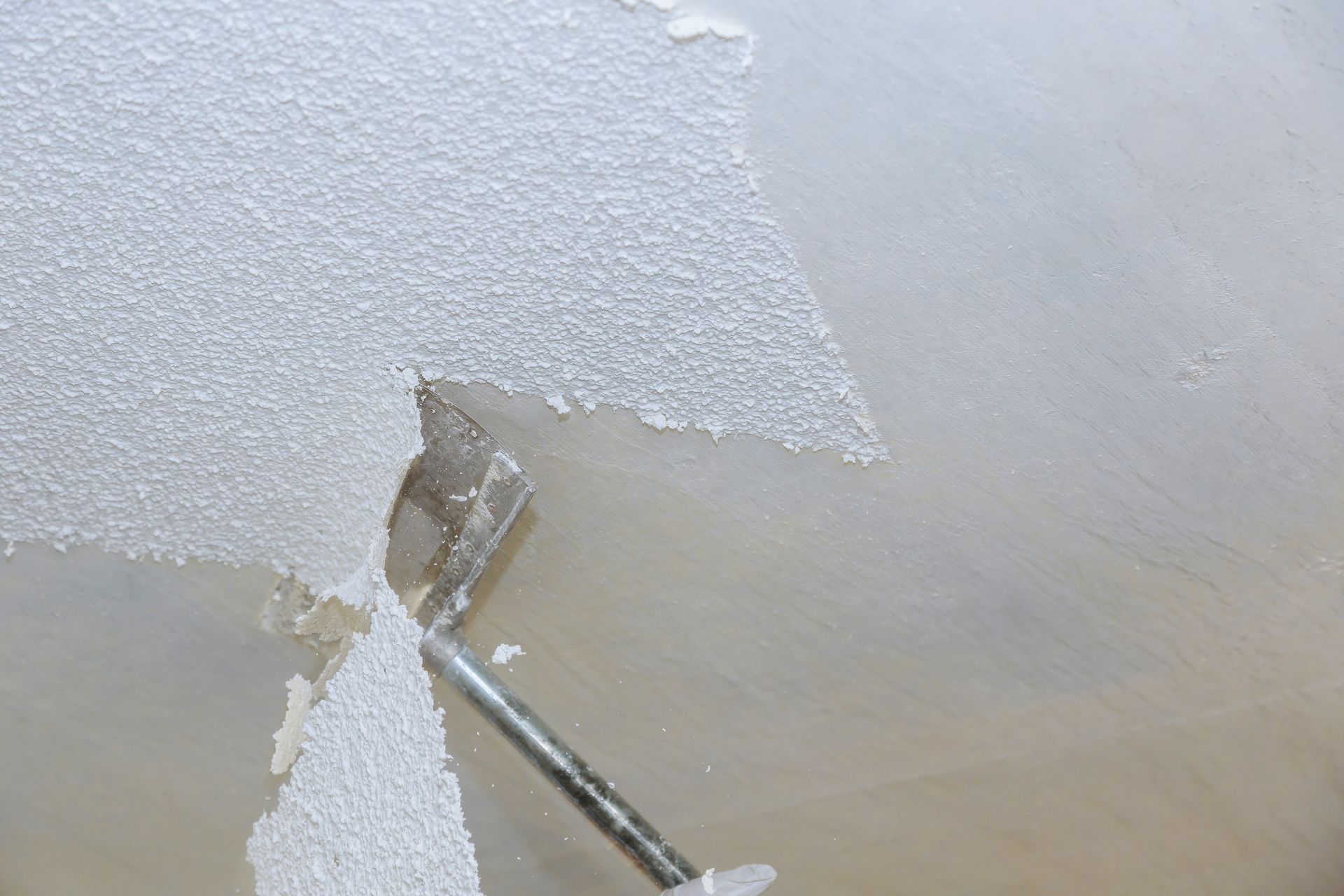
A stucco ceiling is a ceiling with a textured, raised, or sculpted finish made from a plaster-like material. Stucco ceilings were applied wet, then shaped or sprayed to create a pattern. You'll often hear them grouped together with popcorn, knockdown, or other "textured" ceilings, because they all use a similar style of finish.
Common Characteristics of Stucco and Textured Ceilings
Most stucco ceilings share a few features:
- A rough, bumpy, or swirled surface
- A white, off-white, or cream color
- A hard, plaster-like feel when tapped
- Patterns that look hand-applied or sprayed on
- A finish that tends to collect dust over time
The texture can range from a fine sand-like surface to deep, dramatic peaks.
Why Stucco Ceilings Were Popular in Older Homes
Stucco and textured ceilings were widely used from the 1920s through the late 1980s. Builders liked them because they hid imperfections, drywall seams, and minor damage. They were also fast to apply and helped reduce noise between floors. For decades, they were one of the cheapest ways to finish a ceiling in a new home.
Can Stucco Ceilings Contain Asbestos?
Yes. Many stucco, popcorn, and textured ceilings installed before the late 1980s contain asbestos. Asbestos was added to ceiling textures because it made the material stronger, more fire-resistant, and easier to spray. Even after asbestos use started to decline in the late 1970s, leftover stock was still used in some homes well into the 1980s.
When Asbestos Was Commonly Used in Ceiling Materials
Asbestos was a common ingredient in ceiling textures from the 1920s until 1978, when the EPA banned its use in new spray-on ceiling materials. However, contractors were allowed to use up existing stock, so homes built or remodeled into the mid-1980s may still have asbestos in their ceilings.
Homes and Buildings Most Likely to Be Affected
You're most likely to find asbestos in a stucco ceiling if your home was:
- Built between 1920 and 1980
- Remodeled or had ceilings re-textured before the late 1980s
- Built with a popcorn, stucco, swirl, or knockdown ceiling finish
- Originally part of an older apartment, school, office, or commercial building
In Connecticut, where many homes date to the early and mid-1900s, asbestos ceilings are very common.
Why Visual Inspection Alone Is Not Enough
You can't tell whether a ceiling contains asbestos just by looking at it. Asbestos fibers are microscopic, and many different ceiling materials look identical to the eye. Two homes with the same popcorn texture, built one year apart, can have completely different ingredients. The only reliable way to know is lab testing on a small sample.
How to Tell If Your Stucco Ceiling May Contain Asbestos
There's no way to be 100 percent sure without a test, but there are clear warning signs that should push you toward getting one.
Age of the Home and Renovation History
The single biggest factor is the year. If your home or its ceilings were installed before 1985, treat the ceiling as if it may contain asbestos until you know otherwise. Check your home's records, building permits, or any renovation paperwork to figure out when the ceiling went in.
Common Types of Textured Ceiling Finishes
The table below shows the main textured ceiling styles you'll find in homes, when they were typically installed, and how likely they are to contain asbestos.
| Finish Type | Common Era | Asbestos Risk |
|---|---|---|
| Popcorn / acoustic spray | 1950s to 1980s | High if installed before 1985 |
| Stucco / hand-textured | 1920s to 1980s | High in older homes |
| Swirl or fan pattern | 1930s to 1980s | High if pre-1985 |
| Knockdown | Late 1980s to today | Low |
| Skip trowel | 1990s to today | Low |
| Orange peel | 1990s to today | Low |
For a closer look at the most common asbestos-containing texture in Connecticut homes, see our guide on popcorn ceiling asbestos in Connecticut.
Warning Signs That Warrant Testing
Even if you're not planning a renovation, certain conditions mean you should get the ceiling tested as soon as possible.
Damaged, Cracked, or Deteriorating Ceiling Materials
Watch for:
- Cracks or chunks falling from the ceiling
- Powdery dust on furniture or floors below the ceiling
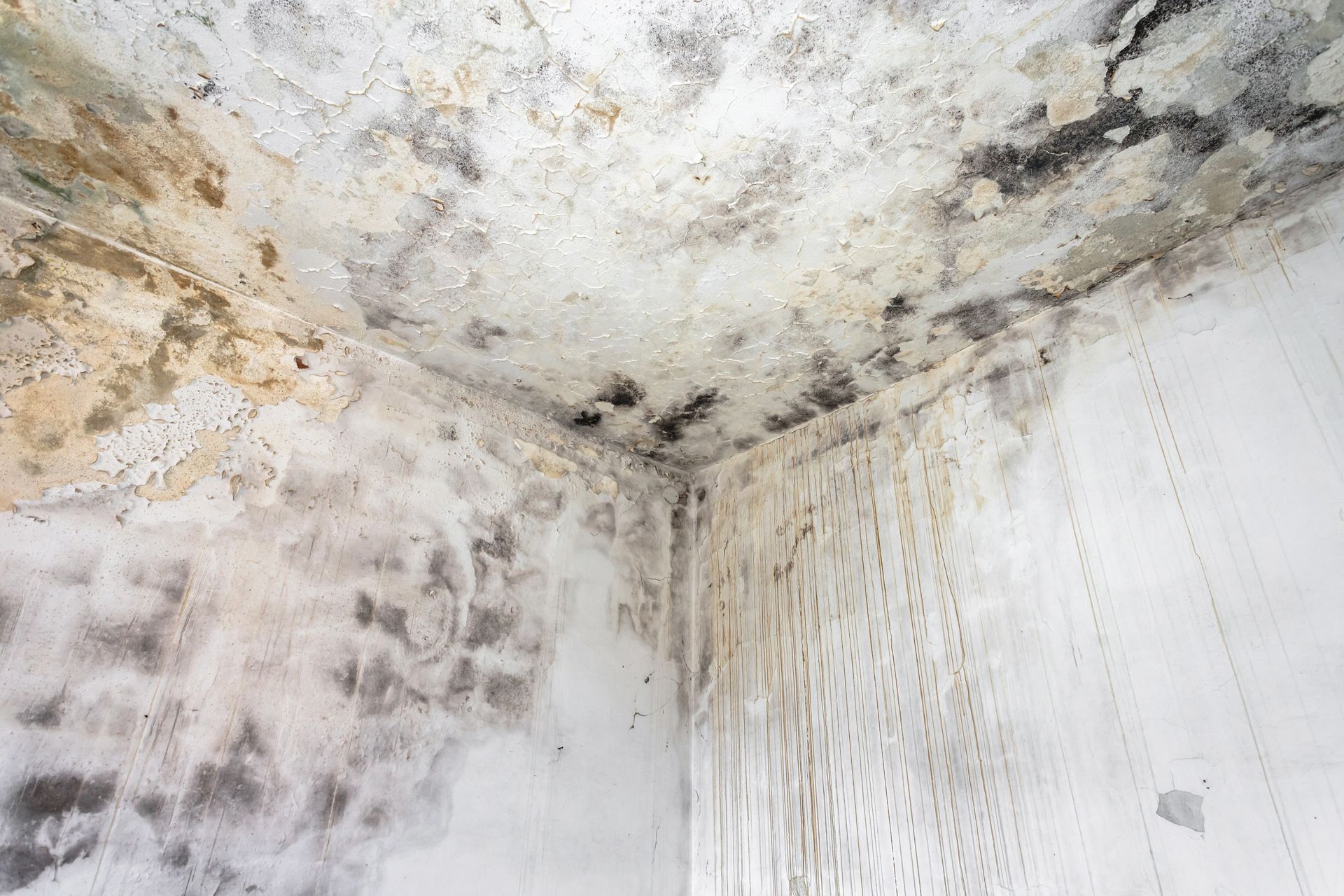
- Water stains, sagging, or peeling
- Crumbling edges around fixtures or vents
- Areas that have been bumped, scraped, or accidentally hit
Damaged ceiling material is the biggest concern, because it can release asbestos fibers into the air.
Why Asbestos in a Ceiling Can Be Dangerous
Asbestos itself isn't dangerous as long as the fibers stay locked inside the material. The problem starts when those fibers get into the air and into your lungs.
How Asbestos Fibers Become Airborne
Asbestos fibers escape into the air when the material is broken, scraped, sanded, drilled, or otherwise disturbed. Even small actions, like installing a ceiling fan or patching a crack, can release fibers in a room. Once airborne, asbestos fibers are too small to see and can stay floating for hours.
Health Risks Associated With Exposure
Breathing in asbestos fibers can lead to serious health problems years or even decades later, including:
- Asbestosis, a scarring of the lungs
- Lung cancer
- Mesothelioma, a rare and aggressive cancer
- Pleural disease, which affects the lining of the lungs
There is no safe level of asbestos exposure, though risk grows with the amount and length of exposure.
Activities That Increase Exposure Risk
The riskiest activities for ceiling asbestos exposure include:
- Scraping or sanding a textured ceiling
- Drilling holes for lights or fans
- Removing or replacing ceilings
- Demolishing walls connected to the ceiling
- Cleaning up after water damage from above
If you're planning any of these, testing first is critical.
Should You Be Concerned About an Intact Stucco Ceiling?
If your stucco ceiling is intact, undisturbed, and in good condition, you're probably not in immediate danger, even if it contains asbestos. But you still need to know what you have so you can manage it correctly.
Understanding Friable vs. Non-Friable Materials
Asbestos materials are split into two categories:
- Friable asbestos can be crumbled or crushed by hand. It releases fibers easily and is considered the most dangerous form. Spray-on popcorn and stucco ceilings are usually friable.
- Non-friable asbestos is bound tightly into another material, like vinyl floor tile or cement siding. It only releases fibers when cut, sanded, or broken.
Most textured ceilings fall into the friable category, which is why they need extra care.
When an Undisturbed Ceiling May Pose Minimal Risk
A textured asbestos ceiling that is fully intact, painted, and not being disturbed releases very few fibers, if any. In many cases, leaving it alone is the safest and most affordable option. The risk only spikes when the material gets damaged or disturbed.
Situations That Require Immediate Attention
Get a professional out quickly if you notice:
- Water damage from a leak above
- Cracking, sagging, or pieces falling off
- A recent accidental hit or hole in the ceiling
- Renovation work that has already started
- Children or pets exposed to falling dust
These situations can release fibers, even from a ceiling that looked stable yesterday.
How Asbestos Testing for Stucco Ceilings Works
The only way to know if your ceiling contains asbestos is to have a small sample sent to a certified lab. Testing is fast, affordable, and far safer than guessing.
Professional Sampling and Laboratory Analysis
Professional asbestos testing starts when a licensed technician collects a small piece of ceiling material in a sealed container, following safety procedures to prevent fiber release. The sample is sent to an accredited lab, which uses polarized light microscopy or transmission electron microscopy to identify any asbestos fibers and determine the type and percentage.
What Testing Results Can Tell You
The lab report will show:
- Whether asbestos is present
- The type of asbestos, such as chrysotile, amosite, or crocidolite
- The percentage of asbestos in the material
- Whether the material is friable
These results guide every decision about what to do next, from leaving it alone to full removal.
Why DIY Testing Can Be Risky
DIY asbestos test kits are sold online, but collecting your own sample can release the very fibers you're trying to identify. Without proper containment, protective gear, and HEPA cleanup, you may contaminate your home in the process. Professional sampling is safer and gives more reliable results.
What to Do If Asbestos Is Found in Your Ceiling
Finding asbestos in your ceiling isn't an emergency in most cases, but it does require a clear plan. There are three main options.
Leaving the Material Undisturbed
If the ceiling is in good shape and you have no renovation plans, the safest move is often to leave it alone. This is sometimes called "in-place management." You'll need to avoid drilling, scraping, or hanging anything from the ceiling, and you'll want to inspect it from time to time.
Encapsulation as a Management Option
Encapsulation means coating the ceiling with a special sealant that locks the asbestos fibers in place. This can extend the safe life of an intact asbestos ceiling and is often cheaper than full removal. It's a good option for ceilings that are stable but might be bumped or disturbed in the future.
Professional Asbestos Abatement and Removal
If the ceiling is damaged, you're remodeling, or you simply want it gone, removal is the most permanent solution. This must be done by a licensed asbestos abatement company that follows strict containment, removal, and disposal rules. Never try to remove an asbestos ceiling yourself.
Planning a Renovation? Test Before You Disturb the Ceiling
If you're planning any work that touches the ceiling, testing first is the single most important step you can take. Skipping this step can turn a simple project into an expensive cleanup.
Scraping, Sanding, and Demolition Risks
Scraping a popcorn ceiling, sanding a stucco finish, or knocking down ceiling material can release a massive amount of asbestos fibers into your home. Once those fibers spread, they can contaminate carpets, HVAC systems, furniture, and clothing, and they're extremely difficult to remove.
Remodeling Projects That Commonly Uncover Asbestos
Some projects often surprise homeowners with asbestos:
- Removing or smoothing a popcorn or textured ceiling
- Installing recessed lighting or ceiling fans
- Opening up walls or ceilings during a kitchen or bath remodel
- Replacing HVAC ductwork that runs through the ceiling
- Repairing storm or water damage
If your home is older than 1985, plan for testing before any of these.
Legal and Safety Considerations
In Connecticut, asbestos abatement is regulated by the state Department of Public Health and the EPA. Homeowners working on their own homes have some limited exemptions, but contractors do not. Hiring an unlicensed contractor to remove asbestos can put you at legal risk and create a serious health hazard for your home.
How Professionals Safely Remove Asbestos-Containing Ceilings
Professional asbestos removal isn't just careful demo. It's a controlled process designed to keep fibers out of the air and out of your home.
Containment and Air Quality Controls
Before any work starts, the work area is sealed off with heavy plastic sheeting. Negative air machines with HEPA filters keep fibers from escaping into the rest of the home. Air monitors track fiber levels in real time.
Safe Removal Procedures
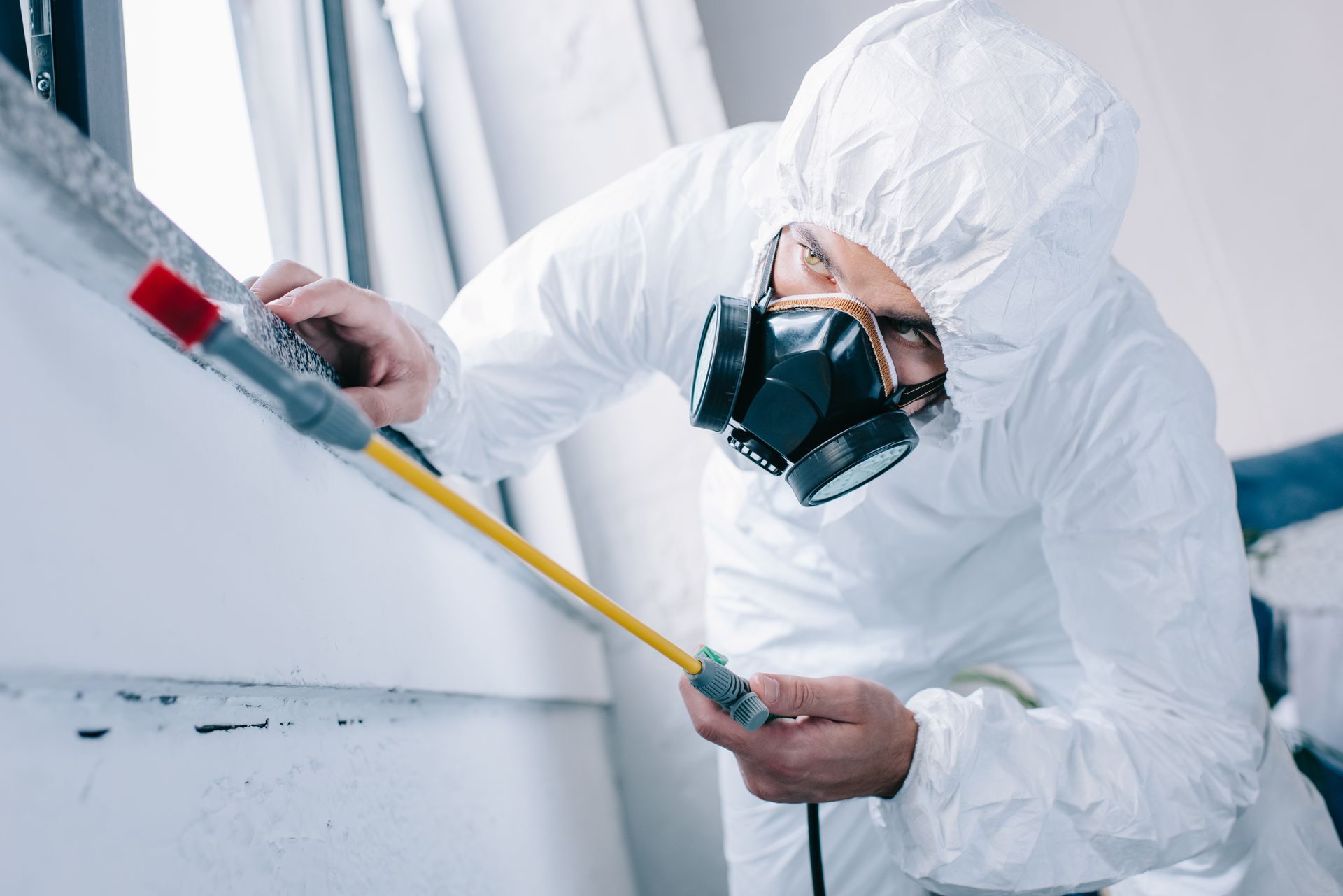
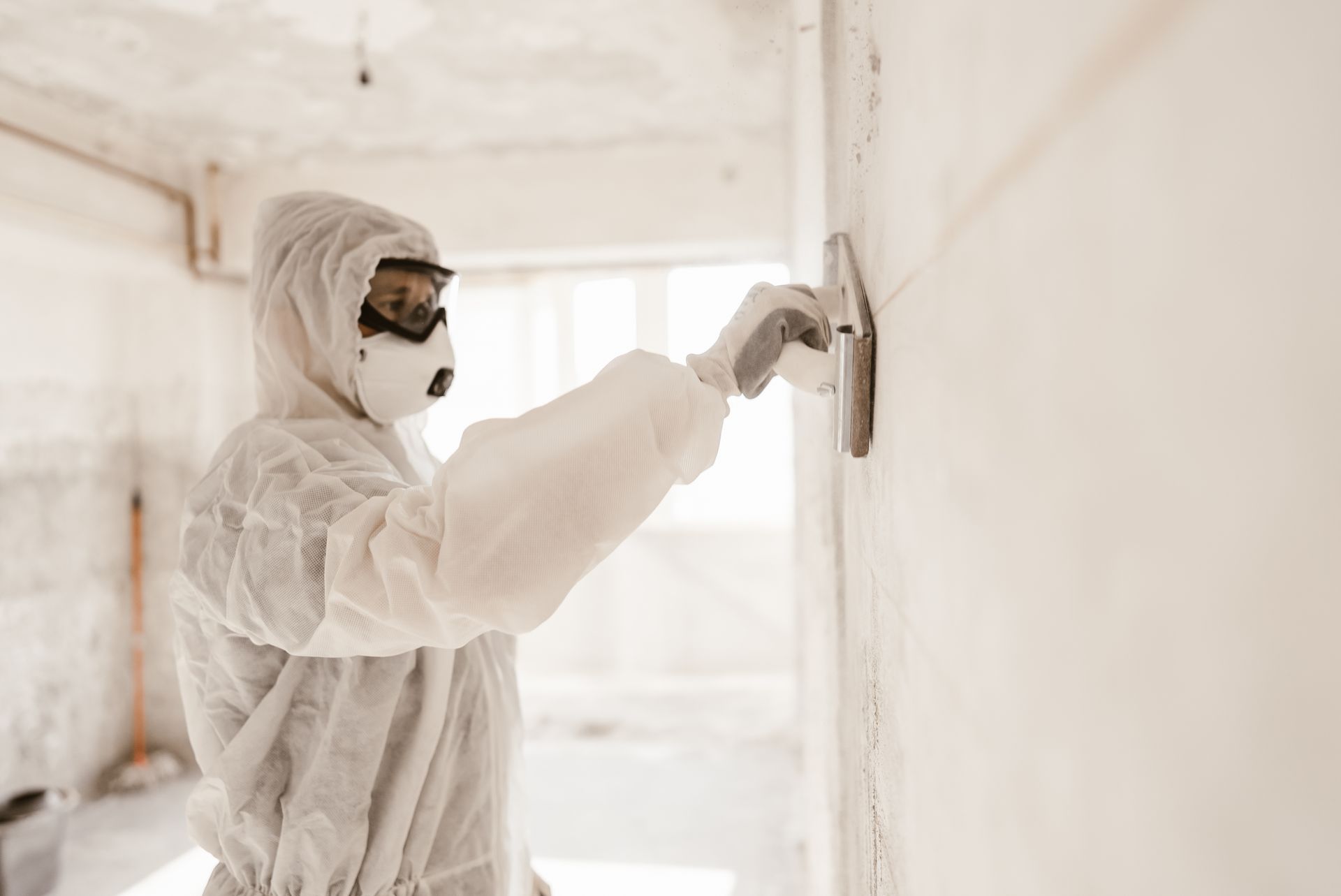
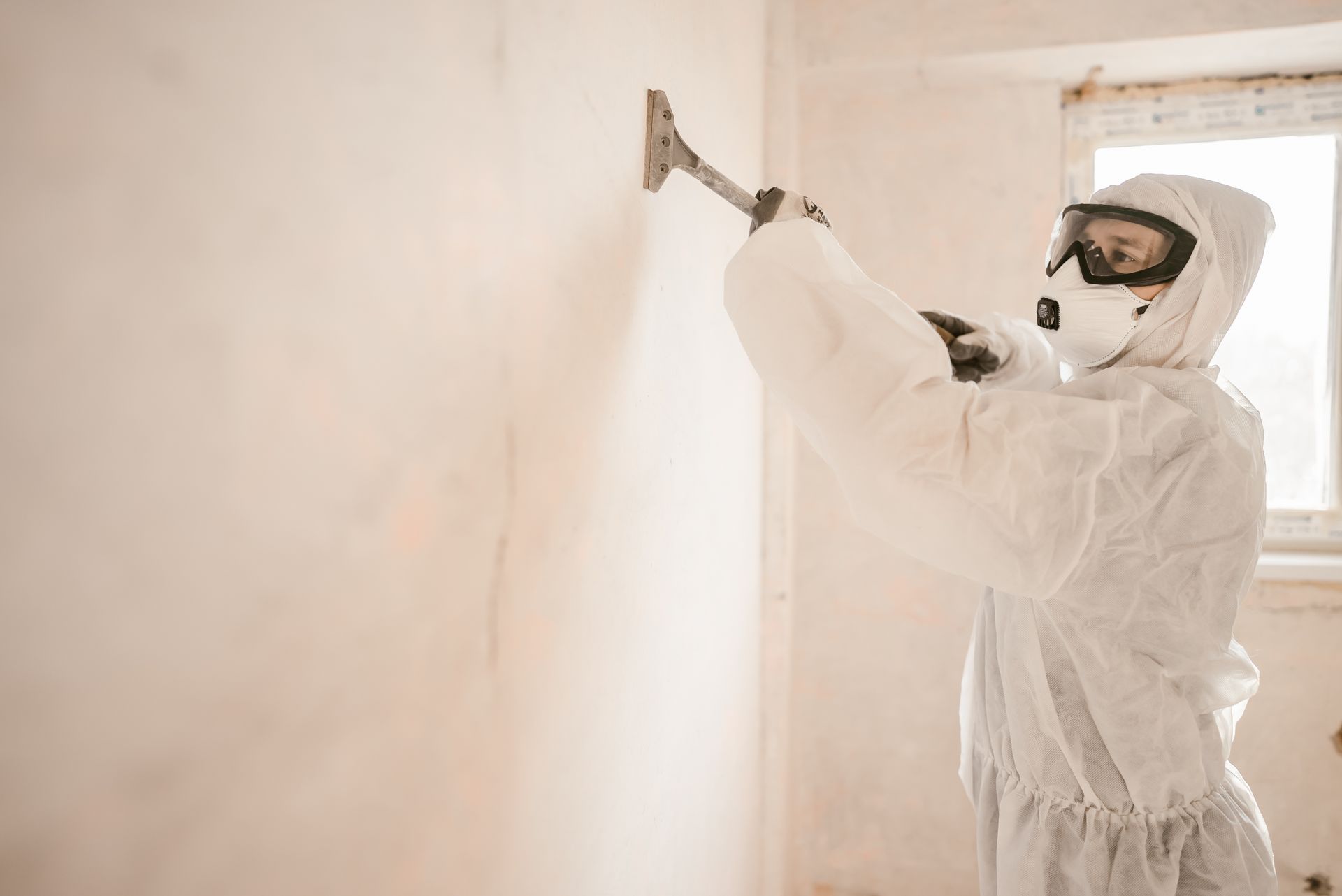
Technicians wear full protective suits and respirators. The ceiling material is wetted down to suppress dust, then removed in controlled sections. Workers use HEPA vacuums and follow strict handling rules at every step.
Proper Disposal of Hazardous Materials
Asbestos waste cannot go in normal trash. It must be sealed in marked, leak-proof containers and transported to a licensed hazardous waste facility. Connecticut tracks each load with detailed paperwork to make sure it ends up in the right place.
Post-Removal Clearance Testing
After removal, the area is HEPA-vacuumed and cleaned. Air samples are then collected and sent to a lab to confirm fiber levels are safe. The space is not cleared for re-entry until those results come back clean.
Protecting Your Home and Family
You don't need to panic about asbestos in your ceiling, but you do need to take it seriously. A few smart steps go a long way.
When to Schedule an Asbestos Inspection
Schedule an inspection if:
- Your home was built or last remodeled before 1985
- You're planning any work that touches the ceiling
- You see cracking, sagging, or water damage
- You're buying or selling an older home
- You've recently had a ceiling repair or accident
Steps to Take if You Suspect Asbestos
If you think your ceiling has asbestos:
- Stop any work or drilling on the ceiling right away.
- Keep family and pets out of the room if material has fallen.
- Don't sweep, vacuum, or wipe up dust, since this can spread fibers.
- Close doors and turn off HVAC to that room.
- Contact a licensed asbestos professional for testing.
Working With Licensed Asbestos Professionals
Always work with a Connecticut-licensed asbestos abatement contractor. Ask for their license number, proof of insurance, and references. A reputable company will explain the testing, abatement, and disposal process clearly and will provide all required paperwork at the end of the job.
Get Asbestos Ceiling Help in Connecticut
If you suspect your stucco or popcorn ceiling contains asbestos, the smartest move is to get it tested before you touch it. Disturbing an asbestos ceiling without the right protection can spread fibers through your entire home, and cleanup is far more expensive than testing.
Anthony's Abatement is a fully licensed Connecticut asbestos abatement company. Our team will:
- Inspect your ceiling and explain what we see in plain language
- Take certified samples and coordinate lab testing
- Walk you through results, options, and costs without pressure
- Safely remove or encapsulate the material if needed
- Handle all paperwork, disposal, and clearance testing
Whether you have a single suspicious ceiling or a whole older home you're trying to renovate safely, we can help.
Contact Anthony's Abatement today to schedule asbestos testing or a ceiling inspection and get straight, honest answers about what's overhead.
Frequently Asked Questions About Asbestos in Stucco Ceilings
Share this Post
Recent Blog