
Black Mold on the Ceiling: Should You Be Worried?
Yes, black mold on the ceiling is something you should take seriously. While not every dark spot is toxic mold, persistent black growth almost always points to a moisture problem that needs attention, and some types of mold can affect your health and your home. The good news is that most ceiling mold problems can be handled safely when you understand what you're dealing with.
At Anthony's Abatement, we have spent years helping Connecticut homeowners deal with mold, water damage, and indoor air quality issues. Our team is licensed in abatement work and has handled everything from small bathroom ceiling spots to major mold infestations caused by long-term roof leaks. This guide is based on what we see in real homes, every week, across the state.
What Does Black Mold on a Ceiling Look Like?
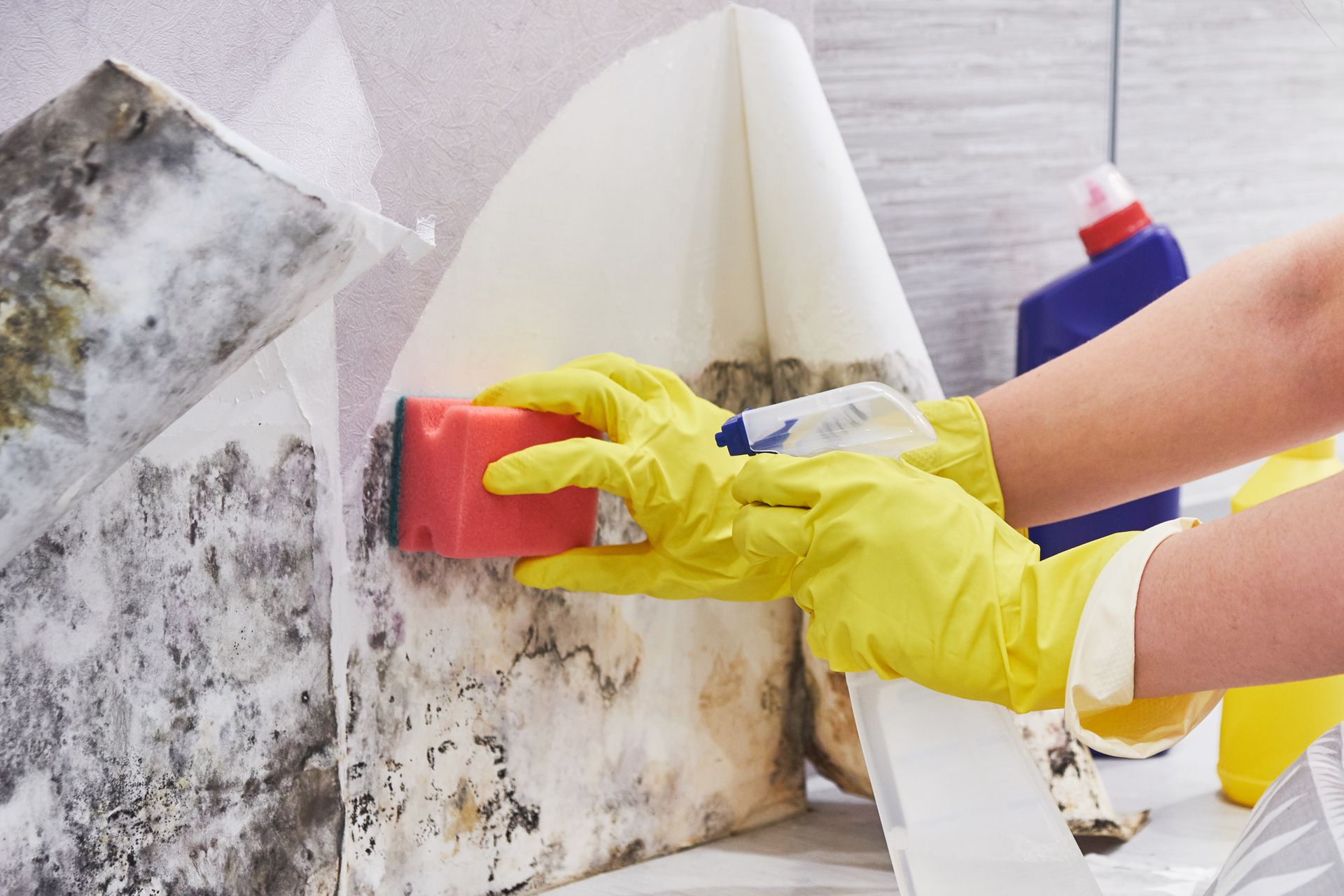
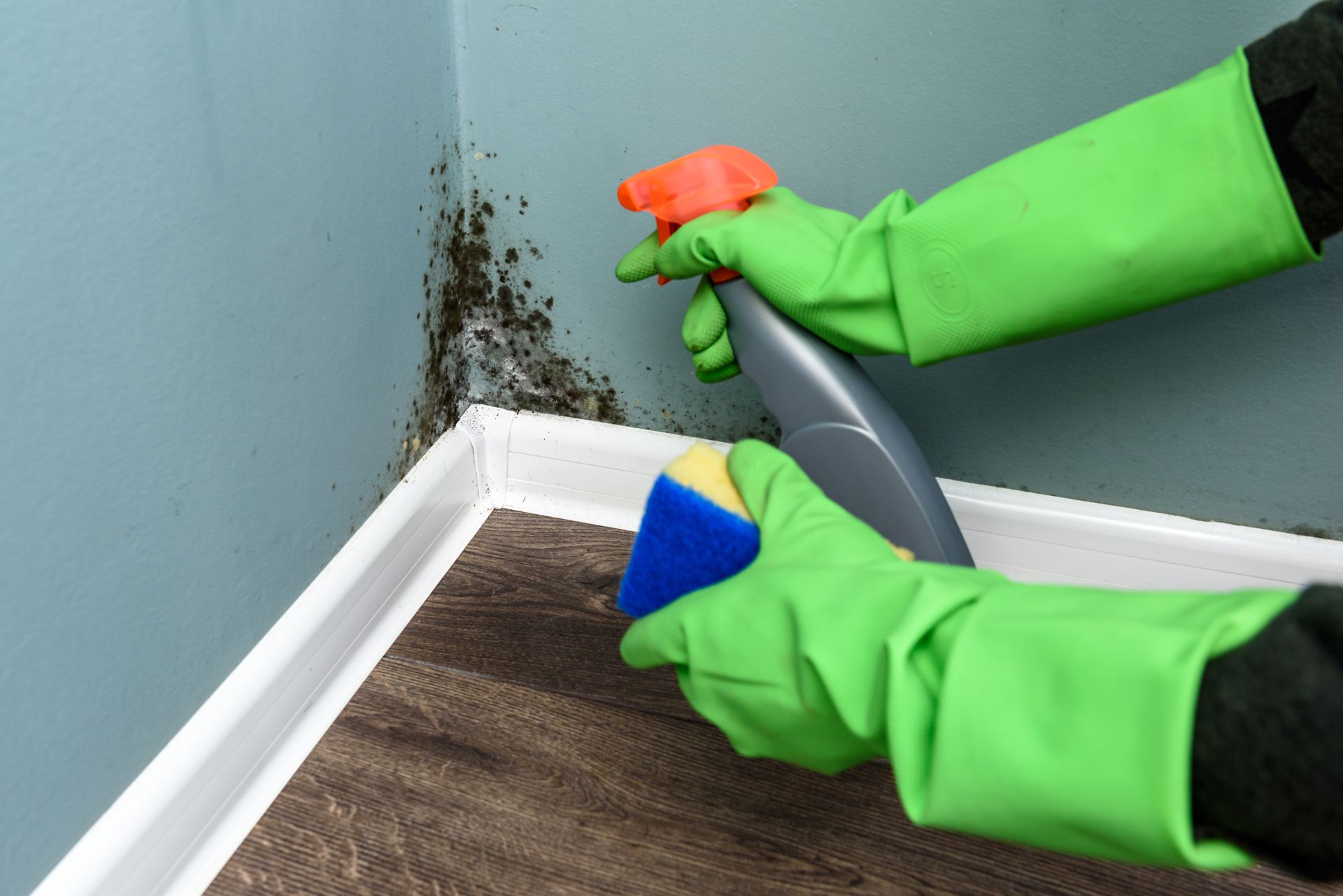
Black mold on a ceiling usually shows up as dark patches, spots, or fuzzy growth. The color can range from greenish-black to a deep, almost charcoal shade. The texture can look slimy, powdery, or velvety depending on the type of mold and how long it has been growing.
Common Signs of Mold Growth on Ceilings
Common signs include:
- Dark spots that seem to spread or grow over time
- A musty, earthy smell in the room
- Discoloration around vents, light fixtures, or corners
- Peeling, bubbling, or warped paint
- Soft or stained drywall
If you notice more than one of these signs, mold is likely the cause.
Black Mold vs. Dirt, Dust, and Water Stains
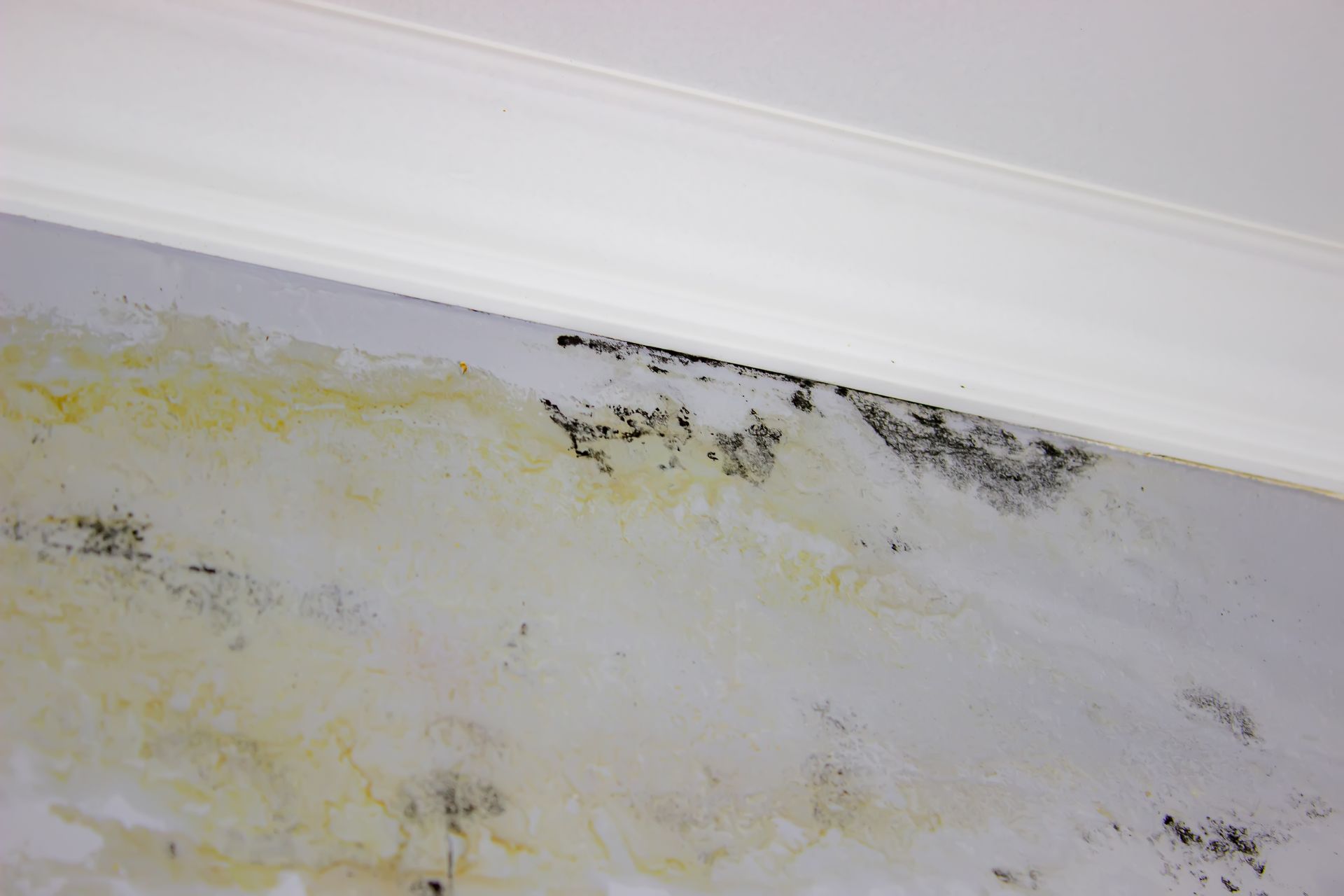
Not every dark mark on a ceiling is mold. The table below shows the key differences between mold, dirt and dust buildup, and water stains so you can quickly tell what you're looking at.
| Feature | Black Mold | Dirt or Dust | Water Stains |
|---|---|---|---|
| Color | Greenish-black to deep black | Gray to dark brown | Yellow, brown, or rust |
| Texture | Fuzzy, slimy, or velvety | Powdery or smooth | Flat and dry |
| Smell | Musty, earthy | None or just stale | None |
| Where it shows up | Damp or poorly vented areas | Around vents and in streaks | Below leaks, often in rings |
| After cleaning | Usually returns | Stays gone | Stays unless the leak continues |
If a stain reappears after cleaning or keeps spreading, mold is the most likely cause.
Why Is Mold Growing on My Ceiling?
Mold grows when moisture meets a surface it can feed on, like drywall, wood, or paint. Ceilings are a common spot because they often sit just below sources of water and humidity. Here are the most common reasons mold shows up overhead.
Excess Moisture and High Humidity
High humidity is one of the biggest causes of ceiling mold. When indoor humidity stays above 60 percent, mold spores in the air can settle on cool ceiling surfaces and start to grow. This is common in basements, laundry rooms, and homes without proper dehumidification.
Roof Leaks and Plumbing Leaks
A slow roof leak or a leaky pipe in the attic or upstairs bathroom can soak into the ceiling for weeks before you notice. By the time a visible stain appears, mold has often already started growing inside the drywall and insulation. Acting fast on the first steps after a water leak can stop mold from getting a foothold in the first place.
Poor Ventilation in Bathrooms and Kitchens
Bathrooms and kitchens produce a lot of steam. Without a working exhaust fan, that moisture lingers and rises to the ceiling, creating the perfect environment for mold. This is why bathroom ceilings are one of the most common places we find mold growth.
Condensation Problems in Attics and Living Spaces
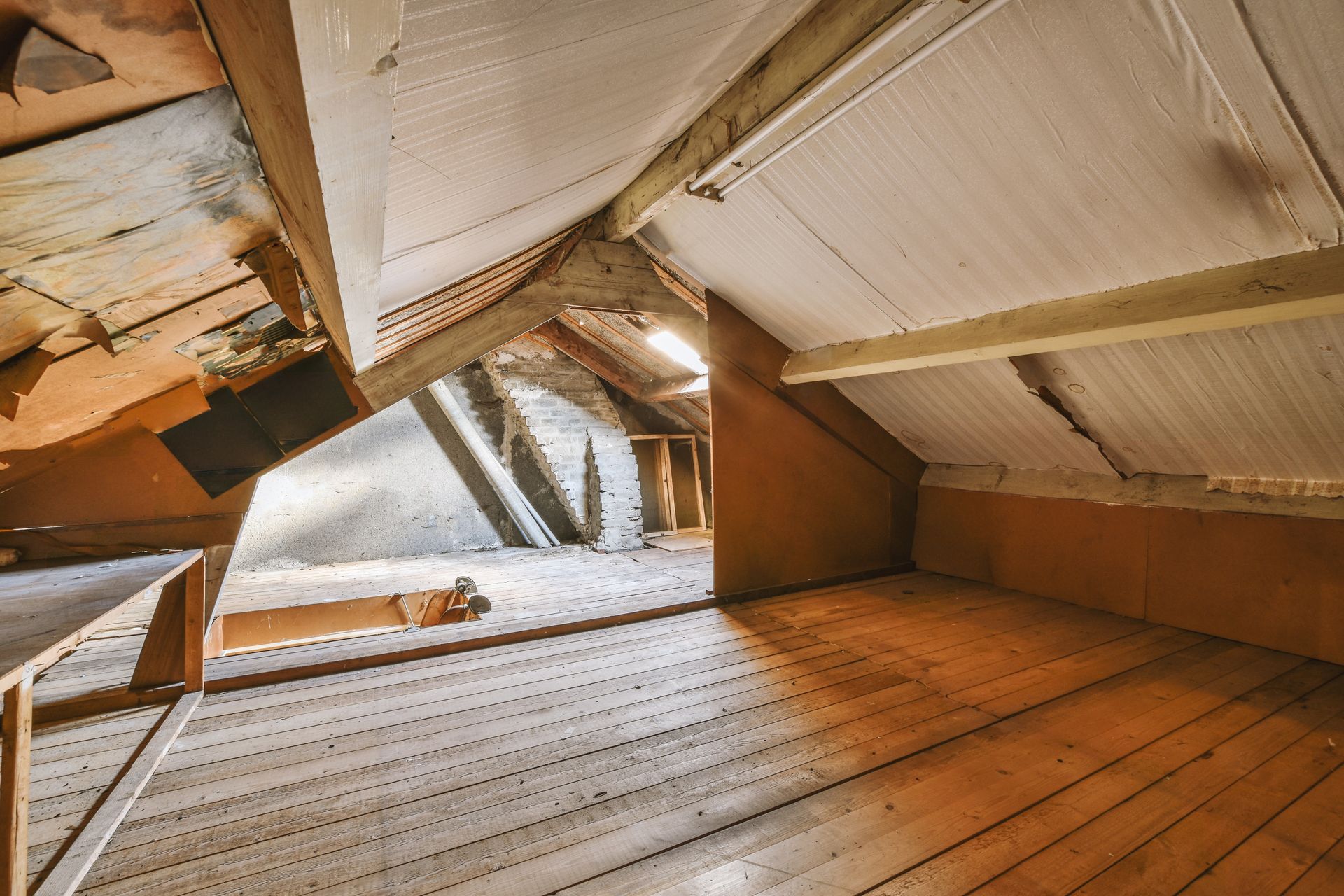
When warm, moist indoor air meets a cold ceiling, condensation forms. Over time, that constant dampness can lead to attic mold. Poor attic insulation and air leaks often make this worse, especially during cold Connecticut winters when the temperature gap between indoor and outdoor air is at its largest.
Is Black Mold on the Ceiling Dangerous?
For most healthy adults, small amounts of mold are not a major health threat. But mold should never be ignored. Long-term exposure can cause real health issues, and some people are far more sensitive than others.
Potential Health Effects of Mold Exposure
Mold exposure can cause:
- Coughing, sneezing, or a runny nose
- Itchy eyes, throat, or skin
- Headaches
- Worsened asthma or allergy symptoms
- Trouble breathing in some cases
These symptoms often improve when you leave the affected space and return when you go back.
Who Is Most at Risk?
Some people are more likely to react to mold, including:
- Young children and infants
- Older adults
- People with asthma or allergies
- Anyone with a weakened immune system
- People with chronic lung conditions
If anyone in your household falls into one of these groups, it's even more important to address ceiling mold quickly.
When Mold Becomes a Bigger Concern
Mold becomes a serious problem when it covers a large area (generally more than about 10 square feet), keeps coming back after cleaning, or grows along with hidden water damage. At that point, the mold is usually a symptom of a deeper issue inside the ceiling or wall, and professional help is the safest path forward.
How to Determine the Source of the Problem
You can't get rid of mold for good without finding what's causing it. Mold needs moisture, so the first step is figuring out where that moisture is coming from.
Checking for Water Intrusion
Start by looking above the affected area. If the mold is on a first-floor ceiling, check the bathroom or kitchen directly above. If it's on a top-floor or attic ceiling, the roof is the most likely culprit. Look for stains, soft spots, dripping pipes, or daylight coming through the roof decking.
Identifying Humidity and Ventilation Issues
If you can't find a leak, the cause is often humidity. Check whether bathroom and kitchen exhaust fans actually work and vent to the outside. Pay attention to how the room feels, especially whether the air feels damp, stuffy, or still. A simple humidity meter from a hardware store can tell you if indoor moisture levels are too high.
Signs of Ongoing Moisture Problems
Watch for these clues that moisture is a regular issue:
- Foggy or sweating windows
- Musty smells that come and go
- Peeling wallpaper or paint
- Warped wood trim or doors
- Mold returning in the same spot after cleaning
If you see any of these, the underlying moisture problem hasn't been solved yet.
Can You Remove Ceiling Mold Yourself?
Sometimes you can handle small mold spots on your own. Other times, trying to clean it yourself can make things worse. Here's how to tell the difference.
Situations Where DIY Cleaning May Be Appropriate
DIY cleaning may be safe when:
- The mold covers less than about 10 square feet
- It's surface-level on a non-porous material like tile or sealed paint
- There's no sign of water damage behind the surface
- No one in the home has serious health risks tied to mold
In these cases, a mild detergent solution and proper safety gear (gloves, goggles, and an N95 mask) may be enough to handle it.
Risks of Improper Mold Removal
Cleaning mold the wrong way can spread spores around your home. Spraying bleach on porous materials like drywall often kills only the surface, while the mold underneath keeps growing. Scrubbing dry mold can also release thousands of spores into the air, making the problem worse and spreading it to other rooms.
Why Surface Cleaning May Not Solve the Problem
Ceiling mold is often just the tip of the iceberg. The drywall, insulation, or wood framing behind the ceiling may also be contaminated. If you only clean what you can see, the mold will usually come back within weeks or months because the moisture source and hidden growth are still there.
When to Call a Professional Mold Remediation Company
Some mold problems need trained professionals with the right equipment and safety procedures. Here's when you should pick up the phone instead of a sponge.
Signs the Mold Problem Is More Than Surface Deep
Call a pro if:
- The mold covers a large area
- You can smell mold but can't see where it's coming from
- The ceiling feels soft or sags
- Mold keeps returning after cleaning
- Family members are having health symptoms
Large or Recurring Mold Growth
When mold spreads across a wide section of ceiling, or shows up in the same place over and over, the issue is bigger than a surface spot. Recurring mold usually means moisture is still entering the area, and only a full assessment will uncover why.
Mold Caused by Hidden Water Damage
If mold appeared after a leak, flood, or roof problem, there's a strong chance moisture is trapped inside the ceiling cavity. Hidden water damage is one of the top reasons mold returns even after careful cleaning. A professional can use moisture meters and thermal imaging to find what's hiding behind the drywall.
How Professionals Remove Mold from Ceilings
Professional mold remediation is more than just cleaning. It's a step-by-step process designed to remove mold safely, fix the cause, and protect the rest of your home.
Inspection and Moisture Detection
The first step is a full inspection. Technicians use moisture meters, thermal cameras, and sometimes air quality testing to find both visible and hidden mold. This step also identifies the moisture source so the problem doesn't return after the work is done.
Containment and Safe Removal Procedures
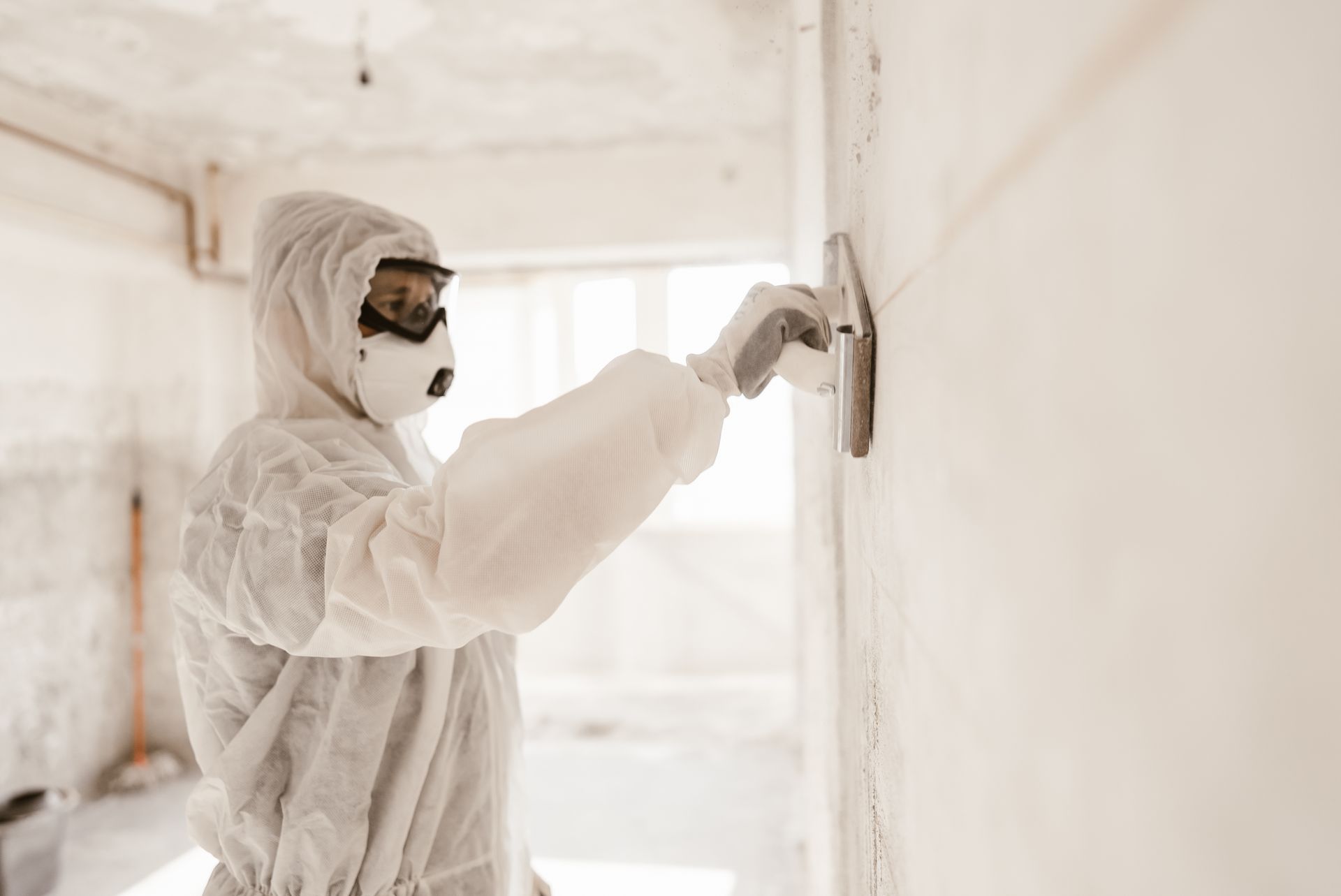
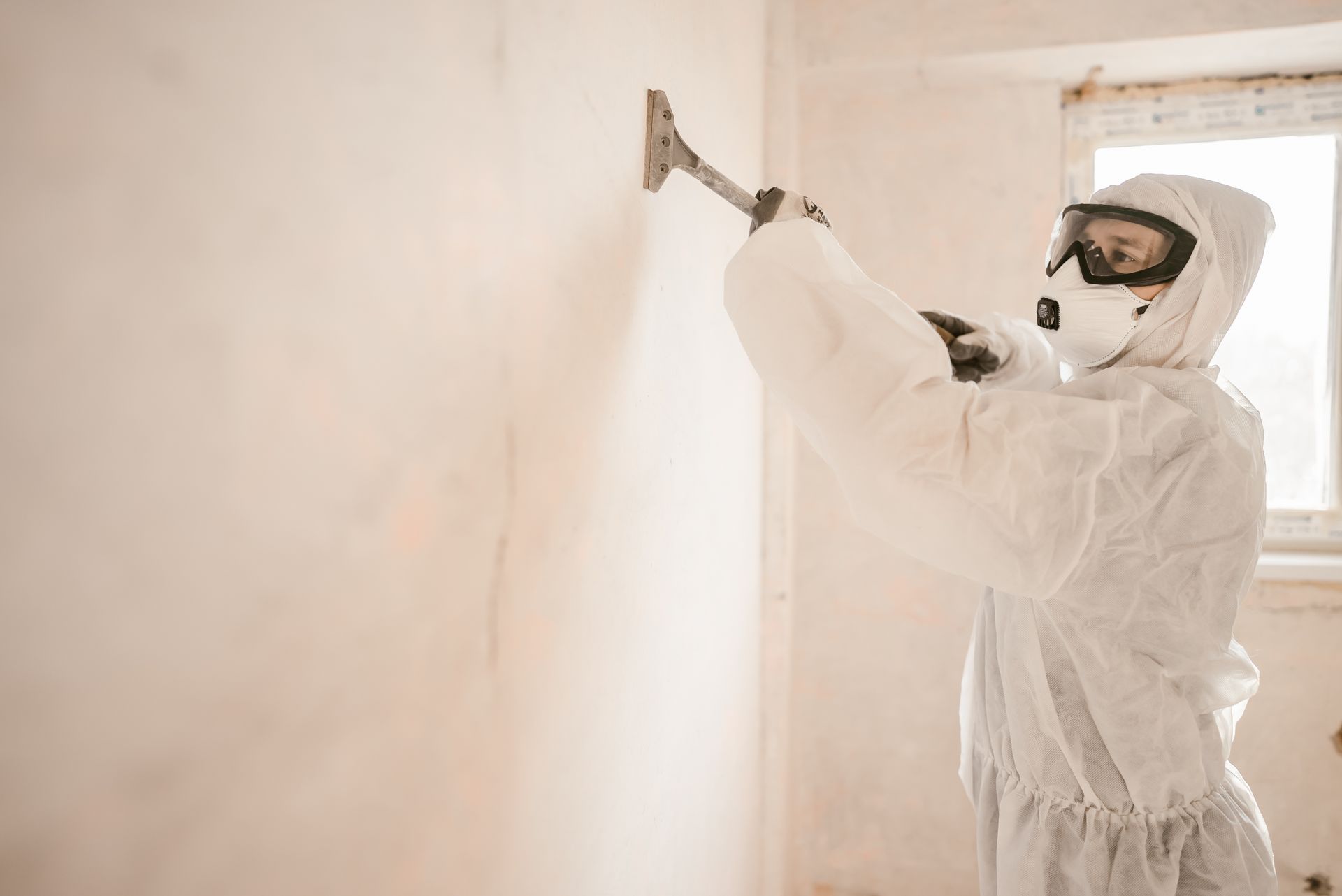
Before any cleaning begins, the work area is sealed off with plastic sheeting and negative air pressure. This keeps mold spores from spreading to other rooms during removal. Workers wear full protective gear and use HEPA-filtered vacuums to capture spores instead of pushing them into the air.
Addressing the Underlying Cause
Removing the mold is only half the job. Professionals also fix the source, whether that means repairing a leak, improving ventilation, or adjusting insulation. Without this step, the mold will come back.
Restoring Affected Materials
Once the mold is gone and the area is dry, damaged drywall, insulation, or ceiling tiles are replaced. The space is cleaned, sealed, and often repainted with mold-resistant paint to help prevent future growth.
How to Prevent Mold from Returning
After mold is removed, the goal is to keep it from coming back. Most prevention comes down to one thing: controlling moisture.
Improving Ventilation and Airflow
Make sure bathrooms, kitchens, and laundry rooms have working exhaust fans that vent outside. Run the fan during and for at least 20 minutes after showers or cooking. Open windows when the weather allows, and keep doors between rooms open to help air move freely.
Managing Indoor Humidity Levels
Aim to keep indoor humidity between 30 and 50 percent. Use a dehumidifier in damp areas like basements, and consider one for the whole home if humidity is a year-round issue. A humidity meter is a cheap tool that helps you spot problems before mold has a chance to grow.
Repairing Leaks Promptly
Fix roof leaks, plumbing leaks, and dripping pipes as soon as you notice them. Even small leaks can cause big mold problems over time. Don't wait for a stain to spread before calling for repairs.
Routine Inspections and Maintenance
Check ceilings, attics, and bathrooms regularly for early signs of moisture or mold. Look at your roof after major storms, and keep gutters clean so water flows away from your home. Small habits like these prevent expensive problems later on.
What to Do If You Notice Black Mold on Your Ceiling
Finding mold can be unsettling, but acting quickly makes a real difference. Here's what to do.
Steps to Take Immediately
- Stay out of the affected room as much as possible, especially if anyone has health concerns.
- Don't touch, scrub, or spray the mold, since this can release spores into the air.
- Look for the moisture source above or near the mold.
- Take photos to document the problem.
- Contact a licensed mold remediation company for an inspection.
Protecting Your Home and Indoor Air Quality
While you wait for a professional, you can take a few simple steps to limit the spread. Close doors to the affected room, turn off HVAC systems that share air with that space, and avoid disturbing the mold. If you have air purifiers with HEPA filters, run them in nearby rooms to help clean the air.
Getting a Professional Assessment Before the Problem Spreads
The longer mold sits, the more it spreads and the more damage it can do to your ceiling, insulation, and indoor air. A professional assessment gives you a clear picture of how serious the problem is and what it will take to fix it. In many cases, catching mold early means a smaller, faster, and less expensive remediation job.
Get Help With Black Mold on Your Ceiling in Connecticut
If you've spotted black mold on your ceiling, the best thing you can do is act early. The longer mold sits, the more it spreads, and the more damage it can do to your ceiling, insulation, and indoor air.
Anthony's Abatement has helped homeowners across Connecticut handle ceiling mold for years. Our licensed team will:
- Inspect the mold and find the moisture causing it
- Walk you through what's happening in plain language
- Safely remove the mold using proper containment
- Repair affected materials and help prevent regrowth
Whether you're dealing with a small spot in the bathroom or a larger problem caused by a roof or plumbing leak, we're ready to help you handle it the right way.
Contact Anthony's Abatement today to schedule a mold inspection and get clear, honest answers about what's on your ceiling.
Frequently Asked Questions About Black Mold on Ceilings
Share this Post
Recent Blog