
How Much Does Asbestos Abatement Cost in Connecticut?
If you're a homeowner or property manager in Connecticut dealing with asbestos, one of the first things you want to know is how much it's going to cost to remove it safely. The short answer is that most abatement projects in Connecticut range from around $1,500 to $30,000 or more, depending on the size and complexity of the job. But there's a lot more to it than a single number.
At Anthony's Abatement, we've spent years working on asbestos abatement projects across Connecticut, from small residential floor tile jobs to large-scale commercial building abatements. We're a licensed and certified asbestos contractor in the state, fully trained in Connecticut Department of Public Health (CT DPH) regulations and proper removal procedures. We've been featured on WFSB Channel 3 for asbestos safety and awareness, and we've completed projects across Hartford, West Hartford, Manchester, and dozens of other Connecticut communities. This isn't a sales pitch. It's the kind of straight talk we'd give a neighbor who asked us over coffee.
Understanding Asbestos Abatement Costs in Connecticut
Why asbestos abatement costs vary from project to project
No two asbestos jobs are exactly alike. The cost of your project depends on what material contains the asbestos, where it's located, how much there is, and what condition it's in. A small bathroom floor tile removal is a completely different job than stripping asbestos insulation from a boiler room in a commercial building.
Connecticut also has its own set of regulations and notification requirements through the CT DPH, which can add fees and compliance steps that affect your bottom line. Understanding these variables upfront helps you avoid surprises when quotes start coming in.
What homeowners and property managers are really paying for
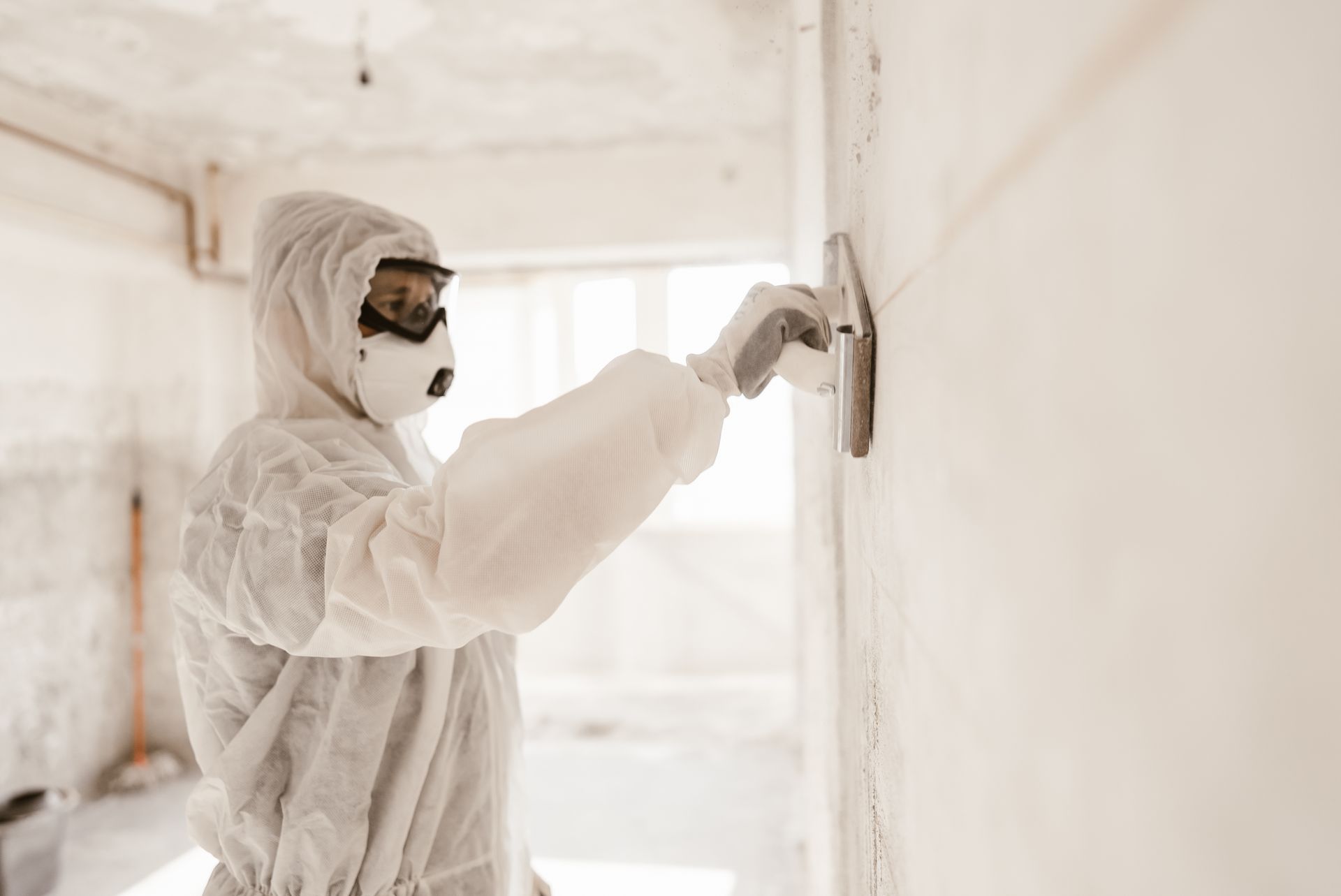
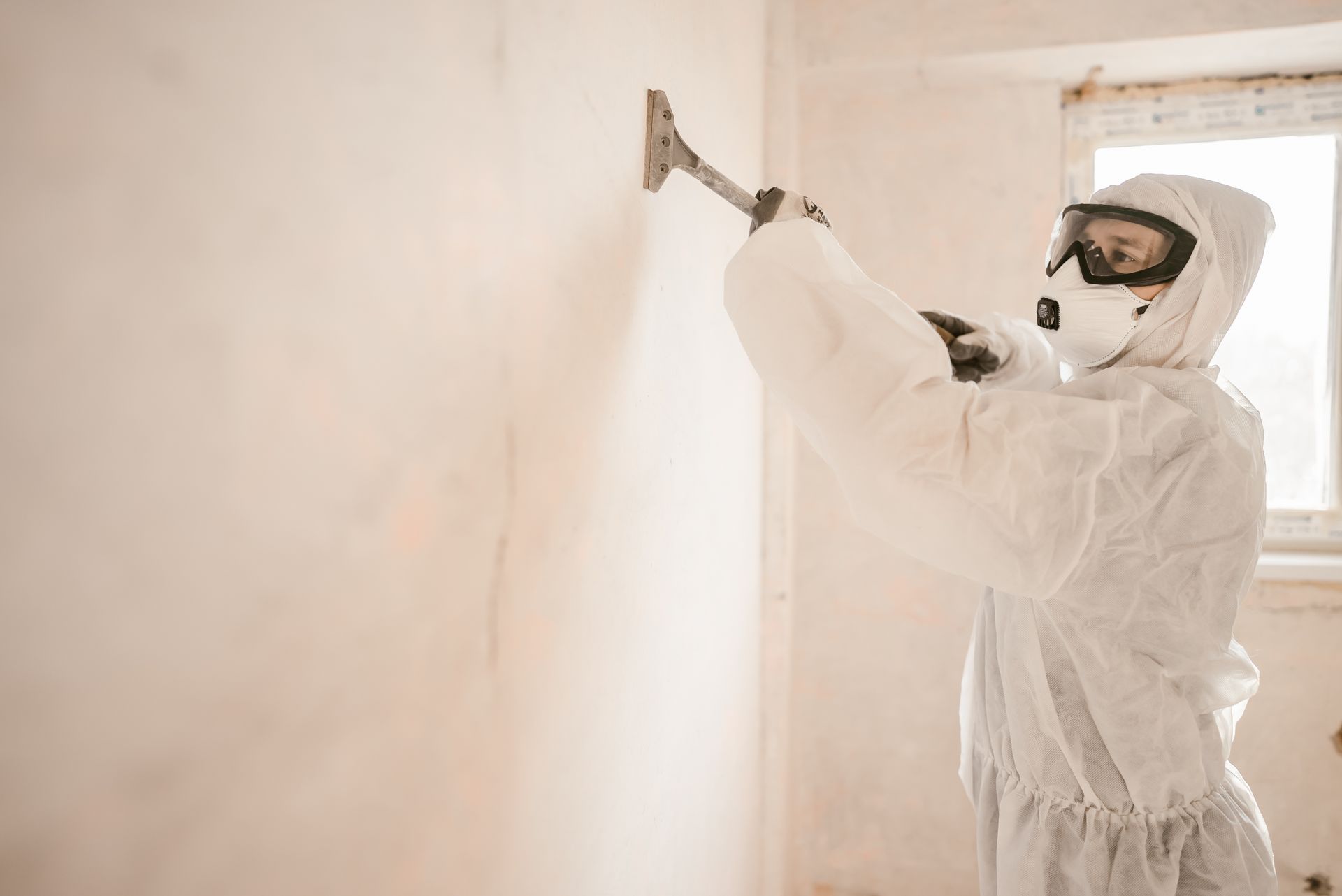
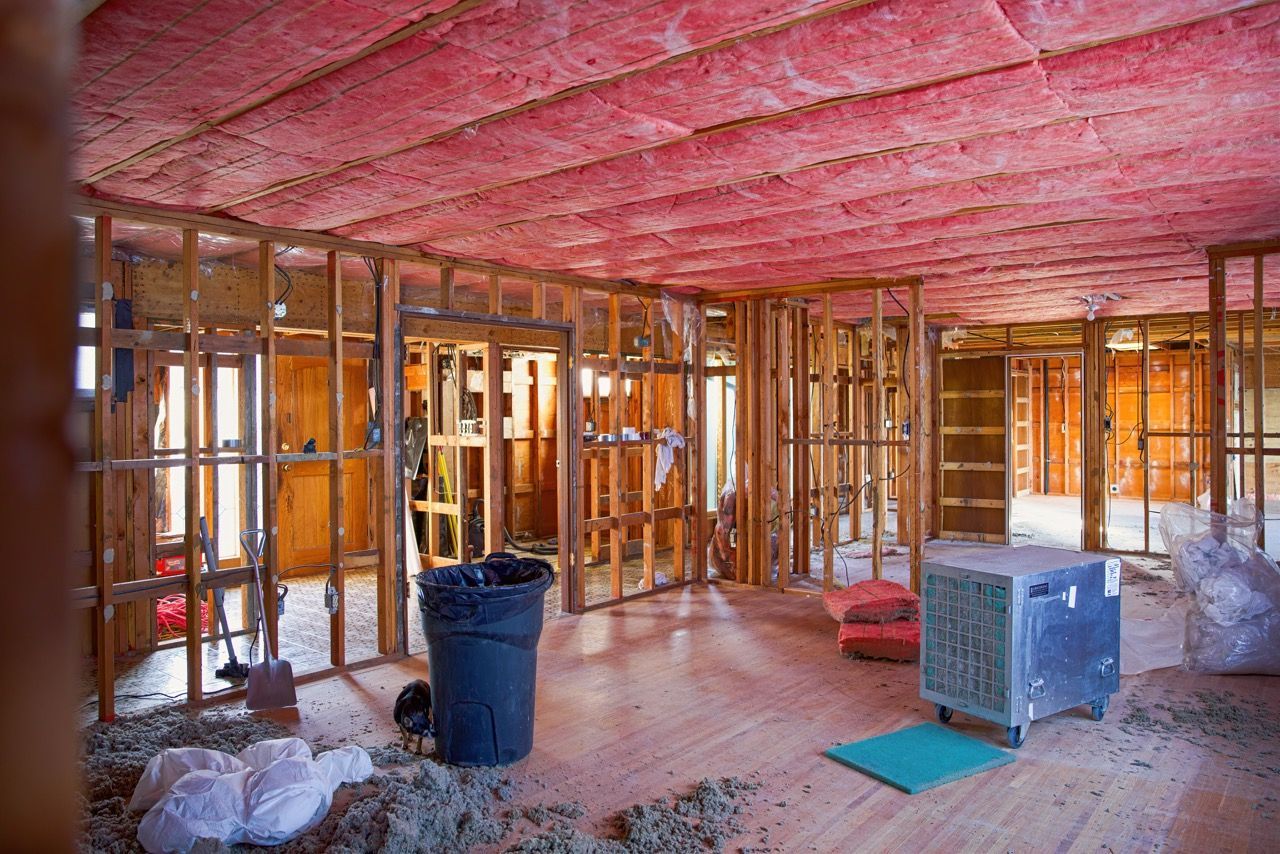
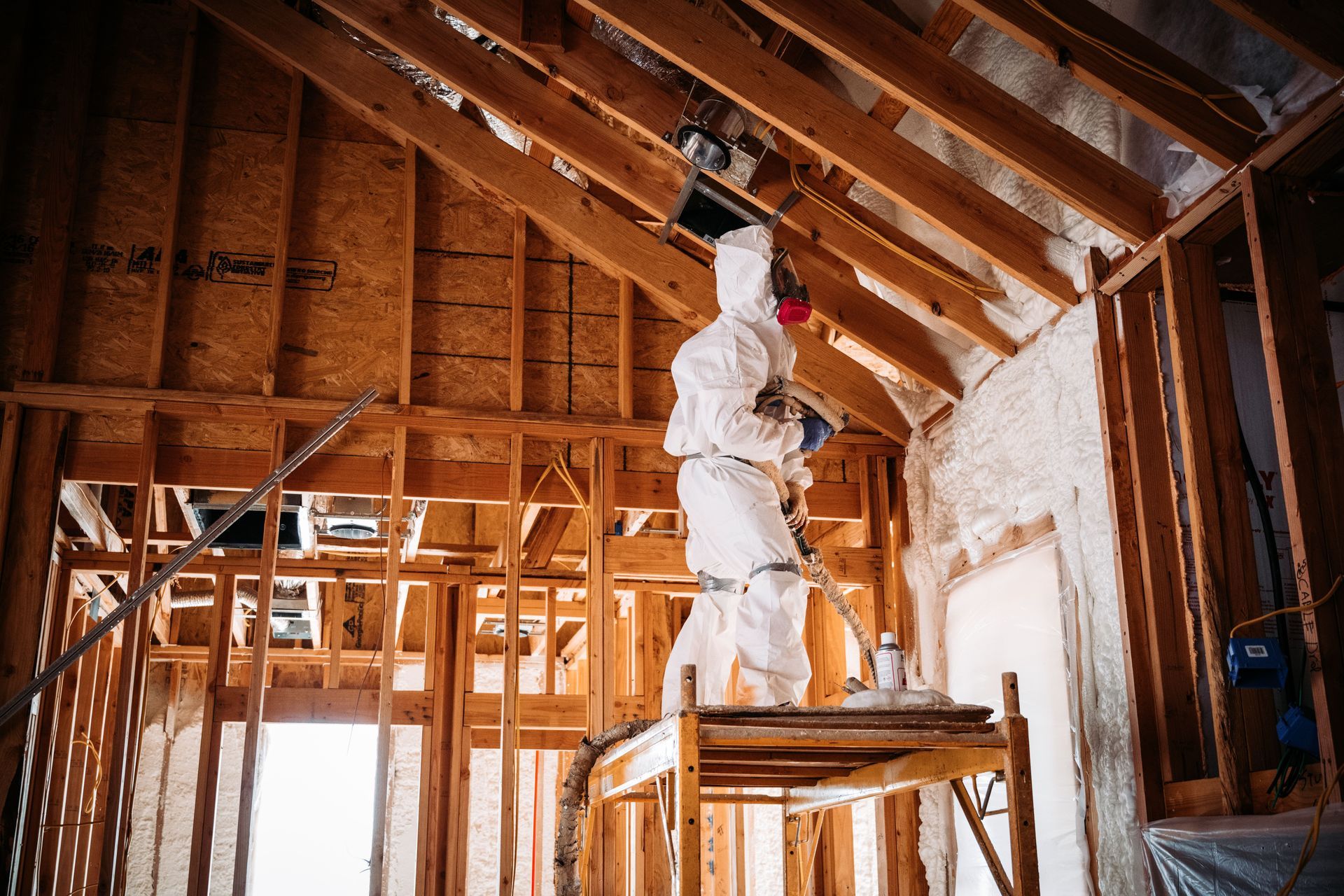
When you hire a licensed asbestos abatement contractor, you're not just paying someone to pull out old material. You're paying for safe containment and isolation of the work area, proper removal techniques that prevent fiber release, legal disposal at approved facilities, air monitoring to confirm the space is safe after the work is done, and compliance with all state and federal regulations.
All of that takes specialized training, equipment, and oversight. It's why asbestos removal costs more than standard demolition, and why cutting corners isn't worth the risk. If you're unsure whether your home even has asbestos, the first step is
scheduling an asbestos inspection.
Average Asbestos Abatement Cost in Connecticut
Typical minimum project costs
Most licensed contractors in Connecticut have a minimum project cost, usually somewhere between $1,500 and $3,000. Even a small job requires the same basic setup: containment, protective equipment, proper disposal, and air clearance testing. Those fixed costs apply whether you're removing ten square feet of floor tile or a hundred.
Cost ranges for small, medium, and large jobs
To give you a general idea, here's what Connecticut homeowners and property managers typically see:
- Small projects (a single room of floor tile, a short run of pipe insulation): $1,500 to $5,000
- Medium projects (multiple rooms, mixed materials, moderate square footage): $5,000 to $15,000
- Large projects (whole-building abatement, commercial properties, complex material types): $15,000 to $30,000+
These are ballpark ranges. Your actual cost depends on the specific factors we'll cover below.
Why total price can increase quickly on complex projects
Complexity drives cost. If the asbestos is in a hard-to-reach area, if multiple types of material are involved, or if the building is occupied and work has to be phased carefully, the price goes up. Projects that require extensive containment, additional air monitoring, or engineering controls will also cost more. It's not unusual for a project that looks straightforward at first glance to come in higher once all the details are factored in.
What Affects the Cost of Asbestos Abatement?
Type of asbestos-containing material
Different materials require different removal methods. Floor tiles, for example, are generally less complex to remove than spray-on fireproofing or pipe insulation that crumbles easily. The type of material directly affects the labor, containment, and disposal requirements, and therefore the price. If you're not sure what you're looking at, our guide on how to identify asbestos can help.
Square footage and quantity of material
More material means more labor, more waste to transport and dispose of, and often a larger containment area. Costs scale with quantity, though larger projects sometimes benefit from economies of scale on a per-square-foot basis.
Material condition and friability
Friable asbestos, which is material that crumbles easily and releases fibers into the air, is more dangerous and more expensive to remove. It requires stricter containment, more protective equipment, and more rigorous air monitoring. Non-friable materials like intact floor tiles are generally less costly to handle, though they still require licensed professionals.
Accessibility of the work area
If the asbestos is behind walls, above ceilings, inside crawl spaces, or wrapped around pipes in tight mechanical rooms, the work takes longer and requires more careful planning. Difficult access equals higher cost. For example, asbestos hidden inside walls or inside ductwork often adds significant time and expense to a project.
Interior versus exterior removal
Exterior asbestos removal, such as roofing, siding, or transite panels, involves different containment and safety considerations than interior work. Weather, wind, and the potential for fiber dispersal outdoors all affect how the job is done and what it costs. If you need to dispose of asbestos siding specifically, we've written a detailed guide on how to properly dispose of asbestos siding.
Residential versus commercial scope
Commercial projects often involve more square footage, more complex building systems, and stricter regulatory requirements. They may also require project design by an engineer and third-party oversight, adding layers of cost that most residential jobs don't have.
Cost by Material Type
Asbestos floor tile removal cost
Floor tile is one of the most common asbestos materials found in Connecticut homes built before the 1980s. Removal typically costs between $5 and $15 per square foot, depending on the number of layers, adhesive type, and whether the subfloor underneath also contains asbestos. A typical kitchen or basement floor tile removal runs between $1,500 and $5,000 for most residential projects.
Asbestos pipe insulation removal cost
Pipe insulation is often friable, which means it needs full containment and careful handling. Costs usually range from $10 to $25 per linear foot, depending on pipe diameter and location. A small job covering 50 to 100 linear feet might cost $2,000 to $5,000, while a full mechanical room or basement could run significantly higher.
Asbestos plaster ceiling removal cost
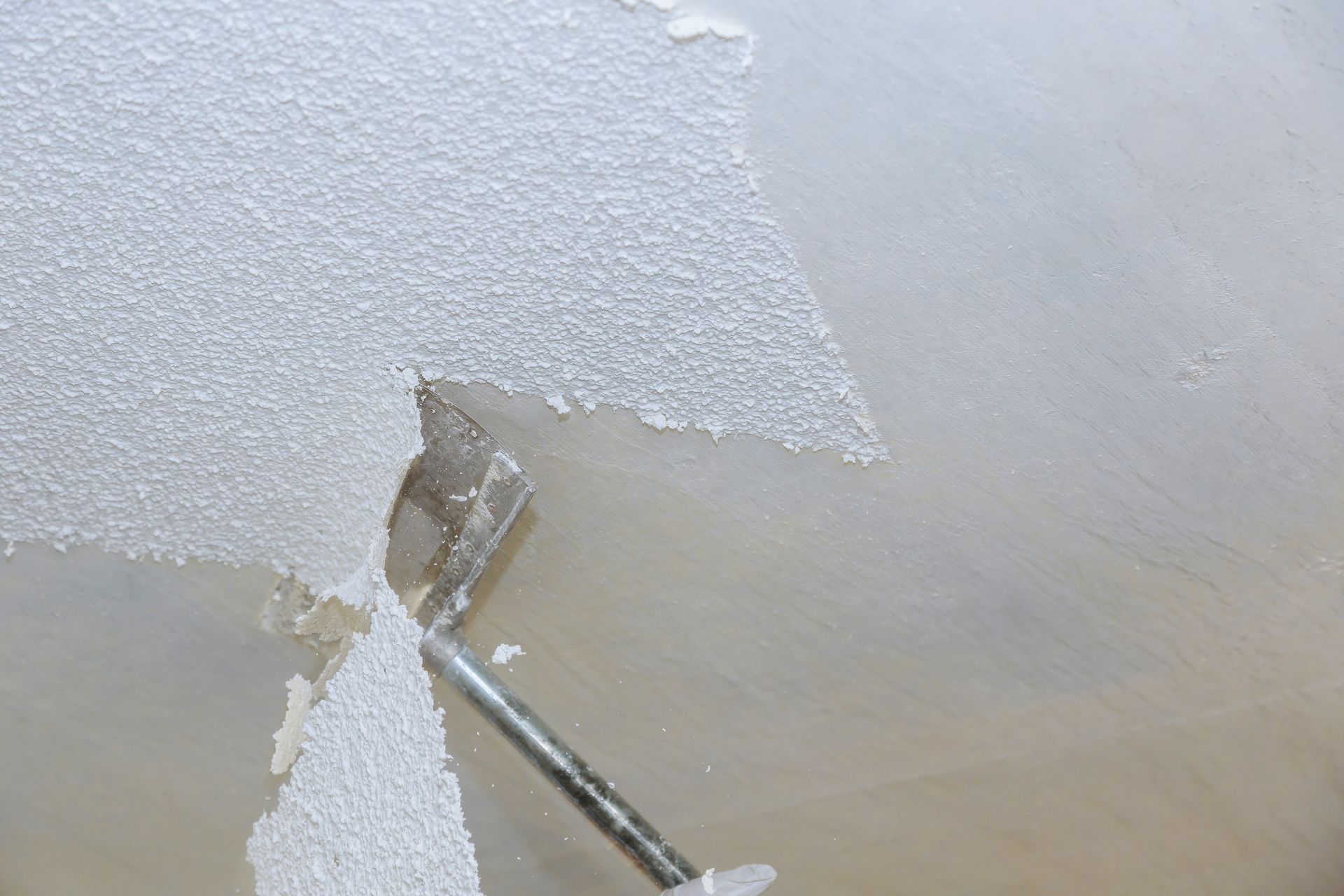
Asbestos ceilings and textured plaster require extensive containment since removal sends material falling from above. Expect to pay $10 to $25 per square foot. A single room can cost $3,000 to $7,000 or more depending on ceiling height and room size. If you have popcorn ceilings, you'll want to read our post on whether popcorn ceilings contain asbestos.
Asbestos transite board removal cost
Transite board, a cement-asbestos product used in siding, ductwork, and wall panels, is typically non-friable when intact. Removal costs are generally moderate, around $5 to $15 per square foot, but can increase if the material is damaged or deteriorated.
Asbestos roofing and flashing removal cost
Asbestos roof shingles and flashing materials require careful removal to avoid breakage. Costs depend on roof size and pitch, but most residential roofing projects fall between $5,000 and $15,000. The work often overlaps with a re-roofing project, so total costs should be planned together.
Miscellaneous asbestos materials such as doors, joints, and caulking
Older buildings can contain asbestos in caulking around windows, gaskets on doors and HVAC systems, and joint compounds on drywall. These materials are often found during renovations and are typically removed as part of a larger project. Costs vary widely based on quantity and location but generally add $500 to $3,000 to a project.
Additional Costs That Can Affect Your Total Project Price
Disposal and waste handling
Asbestos waste must be double-bagged, labeled, and transported to an approved disposal facility. Disposal fees in Connecticut vary by facility and by the volume of material, but they typically add several hundred to several thousand dollars to a project.
Third-party monitoring
For many projects, especially commercial ones, a third-party environmental consultant is required to monitor the work and conduct final air clearance testing. This can add $1,000 to $5,000 or more to your total cost, depending on the duration of the project. Learn more about what goes into an asbestos air test.
Engineering or project design
Larger or more complex abatement projects may need a project design prepared by a licensed professional. This document outlines the scope, methods, and safety procedures for the job. Design costs typically range from $1,000 to $3,000.
Containment, labor, and site preparation
Setting up negative air pressure systems, poly sheeting, decontamination chambers, and other containment measures is a significant part of every abatement project. On complex jobs, containment setup alone can account for 20 to 30 percent of the total cost.
Repair or replacement after abatement
Once the asbestos is removed, you'll likely need to repair or replace whatever was taken out, whether that's new flooring, new insulation, a new ceiling, or new roofing. These costs are separate from the abatement itself but need to be included in your overall budget.
Connecticut Notification Fees and Regulatory Costs
When state notification fees apply
Connecticut requires project notification to the CT DPH for most asbestos abatement work. The notification process involves filing paperwork and paying fees before work begins. This applies to both residential and commercial projects above certain thresholds.
How project size affects filing costs
Notification fees are based on the amount of asbestos-containing material being disturbed. Smaller projects have lower fees, while large-scale abatements, particularly commercial or demolition-related work, carry higher filing costs. Fees can range from around $50 for minor projects to several hundred dollars for large ones. Your contractor should be able to walk you through the exact fees for your project.
Why compliance requirements should be included in your budget
It's easy to overlook regulatory costs when budgeting for an abatement project, but they're not optional. Failure to file proper notifications or meet CT DPH requirements can result in fines, work stoppages, and legal issues. A reputable contractor will build these costs into your estimate upfront so there are no surprises.
Cost Examples for Common Connecticut Abatement Projects
Small flooring removal project
A homeowner in a Connecticut colonial discovers 9x9 asbestos floor tiles in the kitchen during a renovation. The room is roughly 150 square feet. After inspection, testing, containment, removal, and disposal, the total cost comes in around $2,500 to $4,000.
Pipe insulation abatement in limited areas
A property manager finds deteriorating asbestos pipe insulation in a basement utility area covering about 80 linear feet of pipe. The friable condition requires full containment. Total project cost: approximately $3,000 to $6,000.
Large multi-room or full-building abatement
A commercial building owner in Hartford is preparing for a major renovation. Asbestos is found in floor tiles across three floors, in pipe insulation throughout the basement, and in ceiling plaster on two floors. The project requires engineering design, phased work, third-party monitoring, and multiple notifications. Total cost: $25,000 to $60,000 or more.
Roofing-related asbestos removal
A homeowner needs to replace an aging roof and discovers the existing shingles contain asbestos. The house is a standard 1,500-square-foot ranch. Removal and disposal of the asbestos roofing material costs between $5,000 and $10,000, on top of the cost for new roofing installation.
Why Professional Asbestos Abatement Is Worth the Cost
Health and safety considerations
Asbestos fibers, when disturbed, can become airborne and lodge in the lungs. Long-term exposure is linked to serious diseases including mesothelioma and asbestosis. Professional abatement is designed to keep you, your family, your tenants, and your workers safe during and after the removal process. For a deeper look at the health risks, read our post on asbestos and mold health risks for homeowners.
Proper containment and disposal
Licensed contractors use regulated procedures to contain fibers, filter the air, and dispose of waste according to state and federal rules. This isn't something that can be safely done with a dust mask and a dumpster. Understanding the full abatement process helps you see where your money goes.
Working with licensed Connecticut asbestos professionals
Connecticut requires asbestos abatement contractors to be licensed through the CT DPH. Working with a licensed professional means your project is handled by trained workers who understand the materials, the risks, and the rules. If you're wondering how to find a reputable asbestos company near you, we've put together a helpful resource.
Avoiding compliance issues and project delays
Skipping notifications, using unlicensed workers, or disposing of asbestos improperly can lead to significant fines and project shutdowns. Investing in a qualified contractor keeps your project on track and on the right side of the law.
How to Budget for an Asbestos Abatement Project in Connecticut
What to ask when requesting estimates
When you reach out to contractors for quotes, ask about their licensing and insurance, what's included in the estimate (containment, disposal, air testing, notification fees), whether they handle the CT DPH notification, and their timeline for the work. A detailed estimate protects both you and the contractor.
How to compare quotes fairly
Not all estimates cover the same scope. One contractor might include disposal and air monitoring while another lists them as add-ons. When comparing quotes, make sure you're looking at apples to apples. The lowest price isn't always the best deal if it leaves out critical steps.
Planning for hidden or secondary costs
Budget a cushion of 10 to 20 percent beyond the quoted price. It's common for additional asbestos-containing materials to be discovered once walls or ceilings are opened up. Having a buffer keeps your project moving without sticker shock. If you're still weighing whether removal is the right call, our guide on whether you should remove asbestos from your house breaks down the decision.
Get an Estimate for Asbestos Abatement in Connecticut
When to schedule an inspection
If you're planning a renovation, buying an older home, or have noticed damaged material that might contain asbestos, it's time to schedule an inspection. The sooner you know what you're dealing with, the sooner you can plan your project and budget accurately. We offer professional asbestos testing and materials testing to give you a clear picture before any work begins.
What information to gather before requesting a quote
Before calling a contractor, it helps to know the approximate age of your building, what materials you suspect might contain asbestos, the general scope of your renovation or demolition plans, and whether any testing has already been done. The more information you can share upfront, the more accurate your estimate will be.
Ready to find out what your asbestos abatement project will cost? Contact Anthony's Abatement today for a free, no-obligation estimate. We'll walk you through the process, explain your options, and give you a clear picture of what to expect. No pressure, just honest answers from a team that's been doing this work across Connecticut for years.
Frequently Asked Questions About Asbestos Abatement Costs in Connecticut
Share this Post
Recent Blog