Does Your Popcorn Ceiling Contain Asbestos?
If you own an older home in Connecticut and you've looked up at your textured ceiling wondering whether it contains asbestos, you're asking the right question. The short answer is that if your popcorn ceiling was installed before 1980, there's a real chance it contains asbestos. The only way to know for sure is through professional testing. You cannot confirm it by looking at it.
At Anthony's Abatement, we've tested and removed asbestos popcorn ceilings in homes across Connecticut for years, from mid-century ranches in West Hartford to older colonials in Glastonbury and Wethersfield. We're a licensed and certified asbestos contractor in the state, trained in CT DPH regulations and safe handling procedures. We've been featured on WFSB Channel 3 discussing asbestos safety, and our team handles asbestos testing and ceiling asbestos removal regularly. This guide is here to give you clear, honest answers so you can make informed decisions about your home.
What Is a Popcorn Ceiling?
Why popcorn ceilings were commonly used
Popcorn ceilings, also called textured ceilings or acoustic ceilings, became popular in the United States from the 1950s through the 1980s. Builders used them because the bumpy, spray-on texture was quick and inexpensive to apply, hid imperfections in the drywall or plaster underneath, and provided minor sound dampening between floors. For decades, it was one of the most common ceiling finishes in residential construction.
Other names for popcorn ceilings and textured ceilings
You might hear popcorn ceilings referred to by several different names, including cottage cheese ceilings, acoustic ceilings, stucco ceilings, or simply textured ceilings. Regardless of the name, they all refer to the same type of spray-on or trowel-applied texture. The material itself could be made from a mix of Styrofoam, paper fiber, or vermiculite, and in many older applications, asbestos was part of the blend.
Why older ceilings raise asbestos concerns
Asbestos was added to ceiling texture products because it was cheap, fire-resistant, and made the material stronger and easier to apply. Manufacturers included it in many spray-on texture products until the late 1970s. According to the U.S. Environmental Protection Agency (EPA), asbestos was widely used in building materials throughout the 20th century, and textured ceilings were one of the most common residential applications. In 1977, the U.S. Consumer Product Safety Commission banned spray-on asbestos products intended for decorative purposes, though some existing stock continued to be installed into the early 1980s.
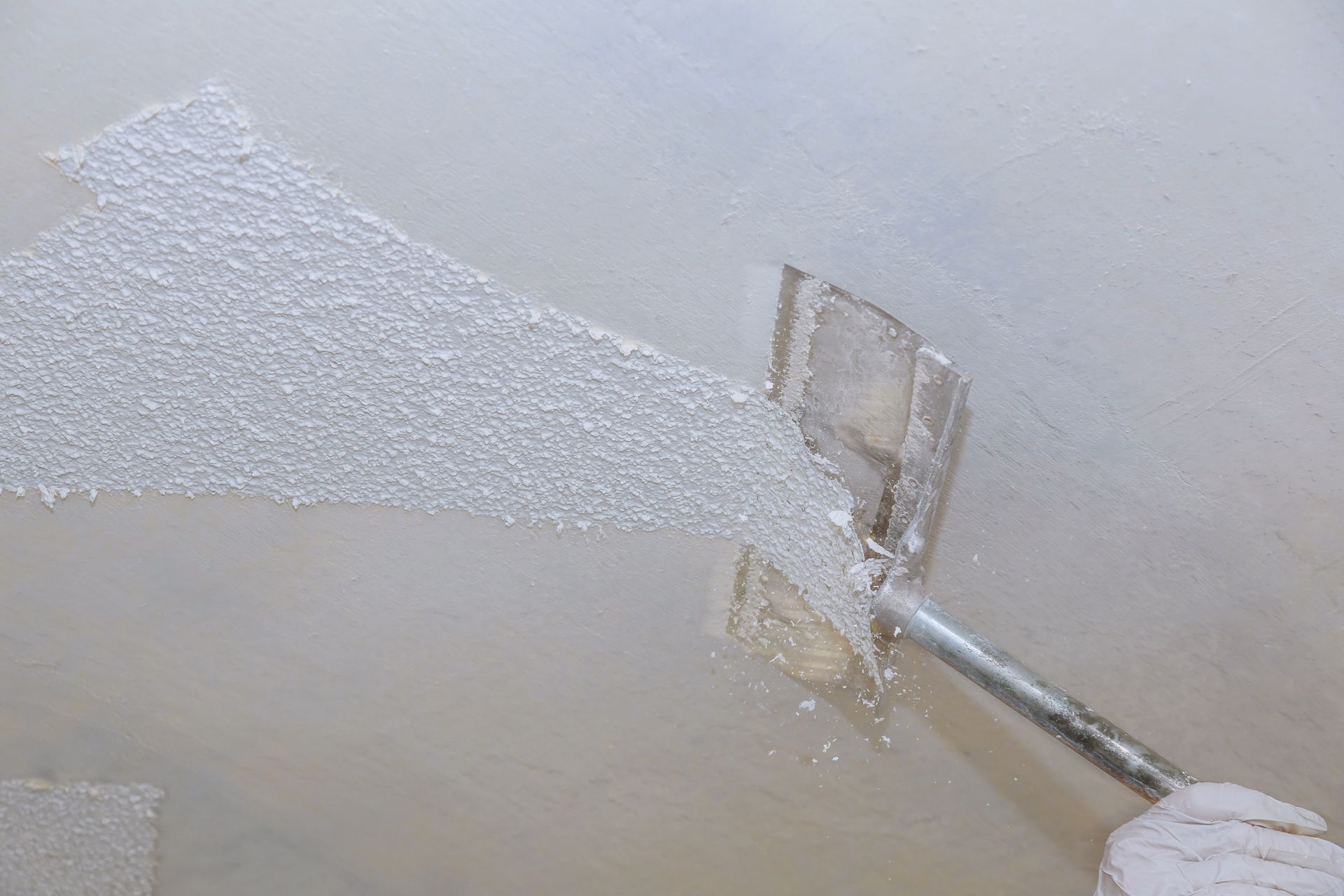
Do Popcorn Ceilings Contain Asbestos?
Why many older popcorn ceilings may contain asbestos
If your home was built or had ceiling work done before 1980, the textured ceiling material may contain asbestos fibers. During that era, asbestos was a standard ingredient in many ceiling texture products. Homes built during the 1950s, 1960s, and 1970s are especially likely to have asbestos-containing popcorn ceilings. This applies to homes across Connecticut, where a large portion of the housing stock dates to this period.
Why not every popcorn ceiling has asbestos
Not all popcorn ceilings contain asbestos. Homes built after 1980 are much less likely to have asbestos in the ceiling texture, though it's not impossible if older materials were used. Some texture products from the same era were made without asbestos. The only reliable way to determine what's in your ceiling is laboratory analysis of a sample taken by a trained professional.
When Connecticut homeowners should be more cautious
You should be especially cautious if your home was built between 1950 and 1980, if you're planning any renovation work that involves the ceiling, if the ceiling shows visible damage such as cracks, water stains, or peeling, or if previous owners may have applied new texture over an older layer. In any of these situations, getting your ceiling tested before you touch it is the smartest move you can make.
How to Tell If Your Popcorn Ceiling May Have Asbestos
Why you cannot confirm asbestos by sight alone
Asbestos fibers are microscopic. You cannot see them with the naked eye, and there is no visual difference between a popcorn ceiling that contains asbestos and one that doesn't. Color, texture, and overall appearance offer no reliable clues. Anyone who tells you they can identify asbestos just by looking at it is guessing.
Signs that may increase concern, such as age or damage
While you can't confirm asbestos visually, certain factors should raise your level of concern. A home built before 1980, a ceiling that appears to be original to the house, and any signs of deterioration such as flaking, crumbling, water damage, or areas where the texture has been scraped or disturbed are all reasons to proceed with caution.
Why professional testing is the safest way to know
The only definitive way to confirm whether your popcorn ceiling contains asbestos is through professional asbestos testing. A trained inspector takes a small sample of the ceiling material following strict safety protocols and sends it to an accredited laboratory for analysis. The Connecticut Department of Public Health (CT DPH) oversees asbestos regulations in the state, and testing through a licensed professional ensures the process is handled safely and in compliance with state requirements.
What Does an Asbestos Popcorn Ceiling Look Like?
Common appearance of textured ceilings
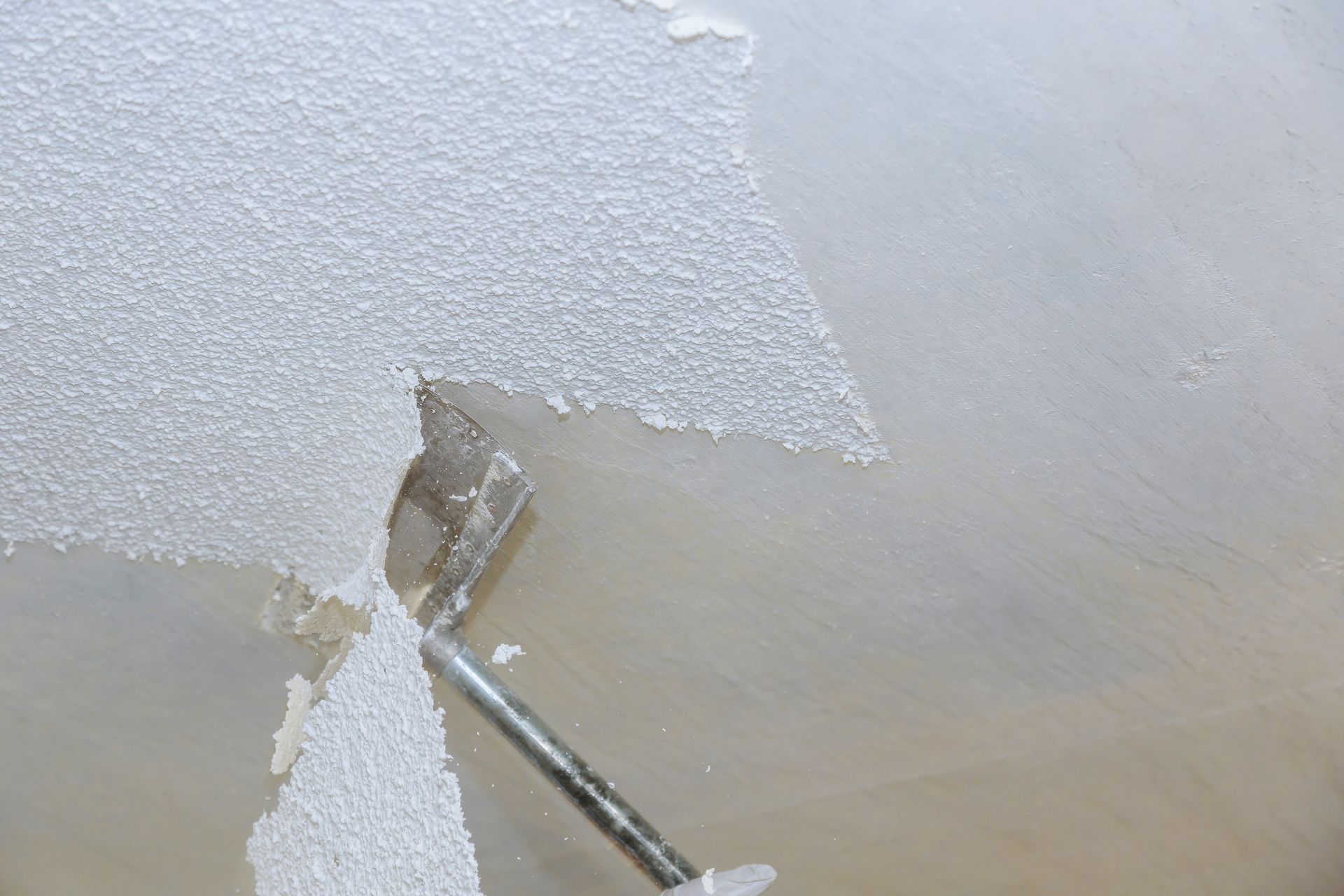
Popcorn ceilings have a rough, bumpy texture that can range from fine and subtle to thick and heavily stippled. The color is usually white or off-white, though some have been painted over the years. The texture can be applied in varying thicknesses, and older ceilings may appear slightly yellowed or discolored with age.
Why asbestos and non-asbestos ceilings can look the same
A ceiling textured with asbestos-containing material looks identical to one that was applied without asbestos. The fibers were mixed into the product at the manufacturing stage, so they're embedded within the texture itself. There are no visible strands, no distinct color differences, and no surface features that set an asbestos ceiling apart from a non-asbestos one.
Why visual inspection has limits
Because of this, visual inspection alone is never enough to determine whether a ceiling is safe. Even experienced contractors cannot identify asbestos by sight. If you're unsure about your ceiling, the responsible step is to have it professionally inspected and sampled before making any plans to scrape, sand, or remove it.
Is an Asbestos Popcorn Ceiling Dangerous?
When asbestos is less likely to pose an immediate risk
If your popcorn ceiling contains asbestos but is in good condition, meaning it's intact, undamaged, and undisturbed, it is generally considered low risk. Asbestos is most dangerous when its fibers become airborne. A ceiling that's been left alone and shows no signs of wear is unlikely to release fibers into the air on its own.
What happens when the ceiling is damaged or disturbed
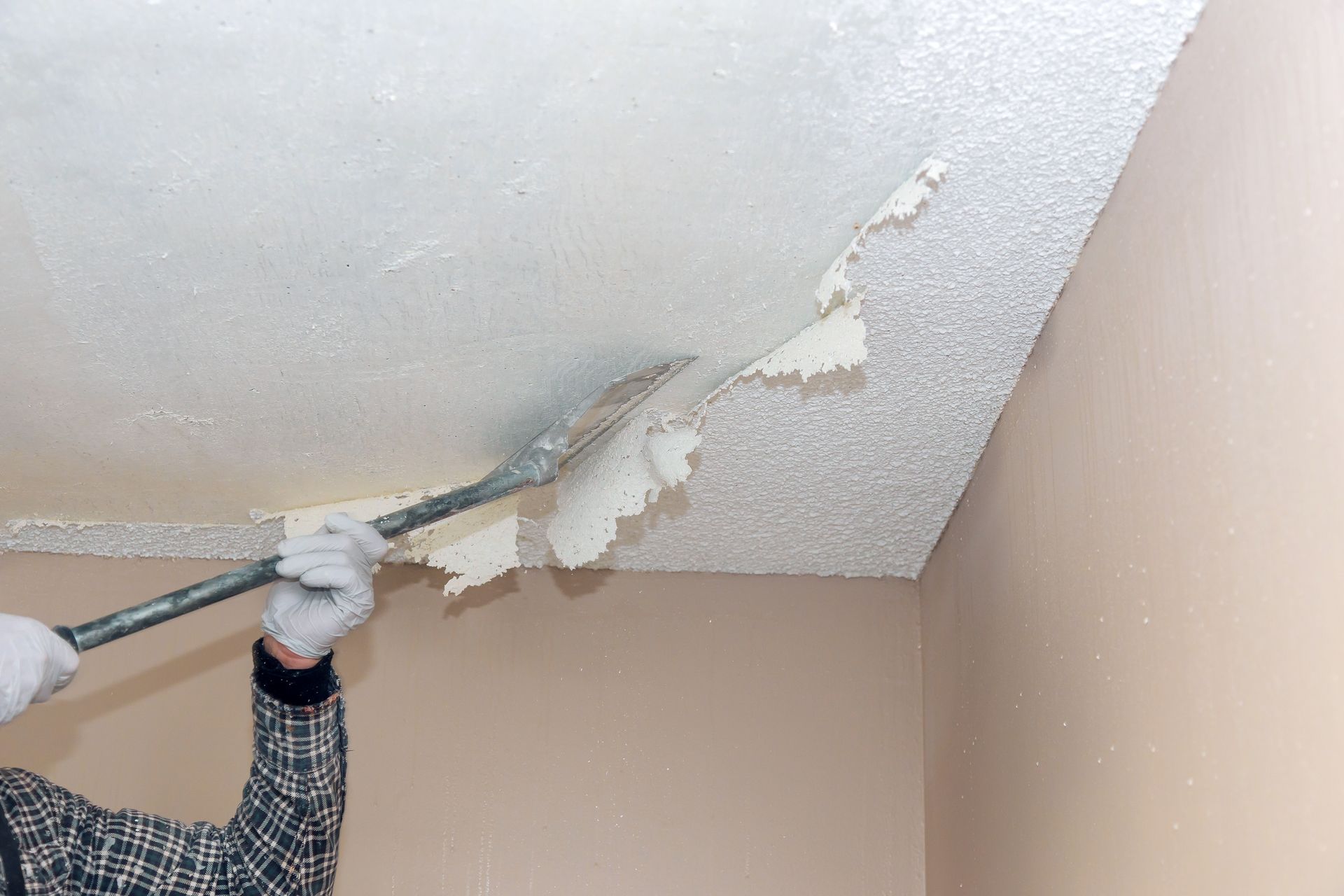
The situation changes when the ceiling is damaged, deteriorating, or physically disturbed. Activities like scraping, sanding, drilling, or even bumping the ceiling during furniture moving can break the texture apart and release asbestos fibers into the air. Water damage, cracks, and peeling also weaken the material, making it more likely to crumble. This is what's known as friable asbestos, and it's the most hazardous form.
Health risks associated with airborne asbestos fibers
When asbestos fibers become airborne and are inhaled, they can lodge deep in the lungs and stay there permanently. Over time, this exposure can lead to serious illnesses including asbestosis, lung cancer, and mesothelioma. According to the Agency for Toxic Substances and Disease Registry (ATSDR), there is no safe level of asbestos exposure. Even short-term disturbance of asbestos-containing material can pose health risks, which is why safe handling is so critical.
What to Do If You Think Your Popcorn Ceiling Has Asbestos
Avoid scraping, drilling, sanding, or disturbing the ceiling
If you suspect your ceiling may contain asbestos, the most important thing you can do right now is leave it alone. Do not attempt to scrape it off, sand it down, or drill into it. Even small disturbances can release fibers into the air and contaminate your living space. Many homeowners unknowingly create dangerous exposure by starting a DIY ceiling removal project without testing first.
Limit contact until the material is evaluated
Until the ceiling is professionally tested, treat it as though it does contain asbestos. Avoid placing items against it, bumping it during home projects, or allowing children to play in areas where the ceiling is damaged or flaking. If you notice any visible deterioration, keep the area well-ventilated but avoid sweeping or vacuuming debris, as this can spread fibers further. If you're unsure about what to do next, our guide on what to do if you suspect asbestos in your Connecticut home walks through the steps.
Schedule professional inspection or testing
Contact a licensed asbestos professional to schedule an inspection. In Connecticut, asbestos testing involves collecting a small sample under controlled conditions and submitting it to a certified lab. Results typically come back within a few business days. Once you have confirmation of what's in the ceiling, you can make an informed decision about how to move forward.
Options If Asbestos Is Found in a Popcorn Ceiling
Leaving the ceiling undisturbed when appropriate
If the ceiling is in good condition and you don't have plans to renovate, leaving it in place is a valid option. Undisturbed asbestos-containing material poses minimal risk. This approach is sometimes called "management in place," and it may be the most practical choice if the ceiling is intact, stable, and in a low-traffic area of the home.
Encapsulation as a management option
Encapsulation involves applying a specialized sealant over the asbestos-containing ceiling to bind the fibers and prevent them from becoming airborne. This is a less invasive and often less expensive option compared to full removal. However, it must be done by a licensed professional using approved products, and it's not appropriate for ceilings that are already heavily damaged or crumbling.
Encasement or covering the ceiling
Another option is to cover the popcorn ceiling with a new layer of drywall or another approved material. This effectively seals the asbestos behind a barrier and gives you a fresh, updated ceiling surface. This approach works well during renovations and avoids the cost and disruption of full removal. It's important to note that the asbestos is still present behind the new layer, which may need to be disclosed if you sell the home.
Professional asbestos removal
Full removal of an asbestos popcorn ceiling is the most thorough option and is required in situations where the ceiling is badly damaged, where renovation plans involve direct contact with the material, or where the homeowner prefers to eliminate the asbestos entirely. Professional asbestos ceiling removal involves full containment of the work area, specialized removal techniques, air monitoring, and proper disposal at an approved facility.
When Popcorn Ceiling Removal May Be Necessary
Renovation or remodeling plans
If you're planning to update your home and the project involves the ceiling in any way, whether it's removing the texture for a smooth finish, adding recessed lighting, or reconfiguring rooms, testing and potentially removing asbestos should be part of your project plan. Renovations are one of the most common triggers for asbestos disturbance, and addressing it upfront protects everyone on the job site.
Visible deterioration, cracks, or water damage
A ceiling that's cracking, bubbling, peeling, or showing signs of water damage is more likely to release asbestos fibers. If the texture is no longer firmly bonded to the surface, it becomes friable and significantly more hazardous. In these cases, removal or another form of abatement is typically recommended rather than waiting.
Safety concerns in high-contact areas
In areas where the ceiling might be bumped, touched, or otherwise disturbed regularly, such as playrooms, low-ceilinged basements, or utility spaces, removal may be the safest long-term option. It eliminates the ongoing risk of accidental disturbance and gives you peace of mind.
Why Professional Testing and Abatement Matter in Connecticut
Why DIY handling can increase risk
Attempting to test or remove a popcorn ceiling yourself can create far more danger than the ceiling posed when left alone. Without proper containment, protective equipment, and disposal procedures, DIY work can contaminate your home with asbestos fibers and expose your household to serious health risks. Improper disposal of asbestos waste is also a violation of both state and federal law.
The value of licensed asbestos professionals
Connecticut requires asbestos abatement work to be performed by licensed contractors under CT DPH oversight. Licensed professionals have the training, equipment, and certification to handle asbestos safely from start to finish. They understand containment protocols, air monitoring requirements, and disposal regulations. Working with a licensed team protects your health, your property, and your legal standing. If you're looking for a qualified team in the area, our page on finding an asbestos company near you in Connecticut is a helpful starting point.
Why proper containment and disposal are important
During asbestos ceiling removal, the work area must be fully sealed with plastic sheeting, negative air pressure must be maintained to prevent fiber migration, and all waste must be double-bagged, labeled, and transported to an approved facility. Air clearance testing is performed after the work is complete to confirm the space is safe for reoccupation. Cutting corners on any of these steps puts people at risk. To understand how these costs factor into your budget, our guide on asbestos abatement costs in Connecticut provides a detailed breakdown.
Next Steps for Connecticut Homeowners
How to decide whether to test, manage, or remove
The right path depends on your specific situation. If your ceiling is intact and you have no renovation plans, management in place may be all you need. If you're planning any work that involves the ceiling, or if the ceiling is damaged, testing should come first, followed by a conversation with a licensed professional about your options. Every home is different, and the goal is to find the safest, most practical solution for yours.
What to ask when requesting an inspection
When you call to schedule an inspection, ask about the inspector's licensing and certifications, what the testing process involves, how long results take, and what happens if asbestos is confirmed. A good inspector will walk you through everything upfront and give you a clear understanding of what to expect, with no pressure or upselling.
How to move forward with a safe plan
Once you have test results in hand, you can make an informed decision and plan accordingly. Whether that means leaving the ceiling alone, encapsulating it, covering it, or having it professionally removed, you'll have the information you need to move forward safely and confidently.
Concerned about your popcorn ceiling? Contact Anthony's Abatement to schedule a professional inspection. We'll test the material, explain your options, and help you put together a plan that makes sense for your home and your budget. No pressure, just clear answers from a team that handles this work across Connecticut every day.
Frequently Asked Questions About Popcorn Ceilings and Asbestos
Share this Post
Recent Blog