Asbestos in Connecticut Apartments: What Renters and Landlords Need to Know
At Anthony's Abatement, asbestos work is what we do every day, inspections, project planning, and safe removal on real buildings where people live and work. We've seen how quickly a small repair can turn into a bigger risk when asbestos-containing materials are disturbed. This guide is written to help Connecticut renters and landlords understand what matters most, what to do next, and how to keep everyone safe.
Why Asbestos Is Still a Concern in Connecticut Rentals
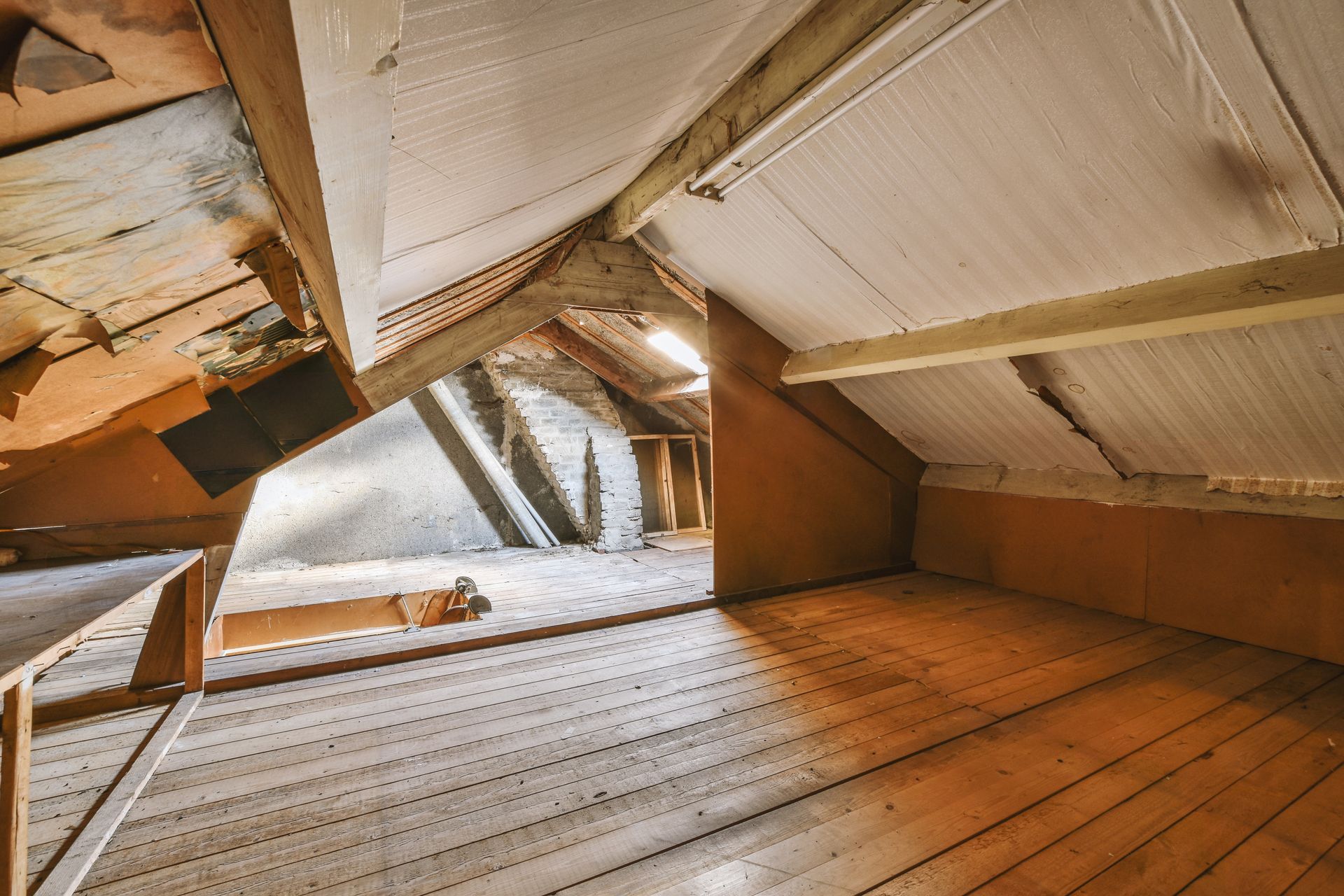
Asbestos is most common in older buildings. Many Connecticut apartments were built or renovated during the decades when asbestos was widely used because it helped resist heat and fire. Even if a building looks updated, asbestos can still be hiding behind walls or under floors.
Common Sources of Asbestos in Apartment Buildings
Asbestos can be found in many building products, especially in older rentals, including:
- Popcorn or textured ceilings
- Ceiling tiles and older drywall systems
- Pipe insulation and boiler wrap
- Vinyl floor tiles and the adhesive ("mastic") underneath
- Roofing materials and
siding
- Joint compound, patching materials, and plaster
- Older HVAC duct insulation and wraps
A key point: asbestos is usually a problem when it becomes damaged, crumbling, or disturbed during work.
When Was Asbestos Banned and Why It Still Exists in Rentals
Asbestos was heavily used for much of the 1900s. Over time, many asbestos products were restricted, and its use dropped sharply. But it was not removed from buildings that already had it. That's why asbestos in older buildings is still a real issue today, especially in apartments where maintenance, turnovers, and renovations happen often.
Health Risks Associated with Asbestos Exposure
Asbestos fibers are tiny. When materials containing asbestos break down or get cut, sanded, drilled, or ripped out, fibers can get into the air. Breathing in those fibers can increase the risk of serious lung disease over time.
Not every situation leads to exposure, but the goal is simple: avoid disturbing suspect materials and get help from trained professionals when there's a concern.
How to Identify Potential Asbestos in Your Apartment
You can't confirm asbestos just by looking at something. But you can spot warning signs and make safer choices.
Signs of Asbestos-Containing Materials (ACMs)
Materials that may contain asbestos often show up as:
- Old, brittle, or crumbly insulation on pipes
- Damaged ceiling tiles or flaking textured ceilings
- Worn vinyl tiles, especially 9x9 tiles in older units
- Deteriorating drywall seams or thick joint compound in older renovations
- Frayed wrap around ducts or heating components
If you see damage, don't touch it. Don't sweep, scrape, or vacuum it with a regular vacuum.
Areas Most Likely to Contain Asbestos in Older Units
In apartments, suspect materials are commonly found in:
- Basements and mechanical rooms (pipes, boilers, steam lines)
- Kitchens and bathrooms (older flooring, wall systems)
- Hallways and common areas (ceiling tiles, fireproofing materials)
- Around heating registers and older vents
- Any place maintenance work is frequent (patching, drilling, replacing fixtures)
Importance of Professional Asbestos Inspections
The safest move is a professional asbestos inspection (sometimes called an asbestos hazard assessment). A trained inspector can collect samples safely and send them to a lab.
For renters: ask if the building has had an asbestos survey, especially before major repairs.
For landlords: a clear plan for asbestos testing can prevent unsafe work and surprise costs later.
Legal Responsibilities of Landlords in Connecticut
Landlords have a duty to maintain safe living conditions. When asbestos is involved, the biggest legal and safety issues usually come from disturbing materials during maintenance or renovations.
Disclosure Laws for Asbestos in Rental Units
Many renters ask about asbestos disclosure laws in Connecticut. In practice, what matters most is whether asbestos is known or suspected, and whether planned work could disturb it.
If a landlord knows (or reasonably should know) about asbestos-containing materials, it's smart, and often necessary, to address the risk properly before repairs or upgrades. Even when disclosure rules vary by situation, clear communication and documented plans protect both tenants and property owners.
Landlord Duties for Maintenance and Abatement
Landlord responsibility for asbestos generally comes down to these basics:
- Keep the unit safe and maintain the property
- Respond to reports of damaged or deteriorating building materials
- Avoid "DIY" or untrained maintenance that may disturb asbestos
- Use qualified professionals for testing and
abatement when needed
- Follow proper containment, disposal, and clearance steps
If work might create dust (demo, sanding, drilling), asbestos needs to be considered first, especially in older buildings.
Penalties for Non-Compliance with Asbestos Laws
Improper asbestos handling can create multiple problems at once:
- Health risks for tenants, workers, and neighbors
- Project shutdowns and costly delays
- Fines or enforcement actions, depending on the job and setting
- Liability if people are exposed due to unsafe work
The safest approach is always to treat suspected materials carefully and use trained help.
Tenant Rights and Recommended Actions
If you're searching "asbestos in apartments Connecticut," you're probably wondering what you can do right now. Here's a practical approach that protects your health and builds a clear record.
What to Do If You Suspect Asbestos in Your Unit
If you think a material may contain asbestos:
- Don't disturb it. No sanding, scraping, drilling, or pulling it up.
- Avoid sweeping dust. Don't use a regular vacuum on debris.
- Take photos of the area (from a safe distance).
- Write down details (where it is, what damage you see, when it started).
- Send a written request to your landlord or property manager asking for next steps.
If there's active damage or falling debris, limit access to the area and keep kids and pets away.
How to Talk to Your Landlord About Asbestos
Many renters worry they'll be dismissed. Keep it simple and calm:
- Explain what you noticed (damage, crumbling, dust, water leaks)
- Share that older building materials may contain asbestos
- Ask whether the property has had asbestos testing or an inspection
- Request that repairs be handled safely, with proper evaluation first
- Ask for updates in writing
A helpful phrase is: "I'm not trying to diagnose it. I just want to make sure repairs are handled safely."
For more guidance, check out our article on how to talk to your landlord about asbestos.
Who to Contact If the Landlord Doesn't Act
If your landlord won't respond and you believe there's a safety issue, you can consider contacting:
- Your local health department or local housing officials
- A local building department (especially if renovations are happening)
- Tenant advocacy resources (for guidance on tenant rights asbestos Connecticut concerns)
- A qualified asbestos professional for advice on inspection options
If you feel immediate danger due to heavy dust or active demolition, prioritize safety and remove yourself from the area first.
What Safe Asbestos Removal Looks Like in Connecticut
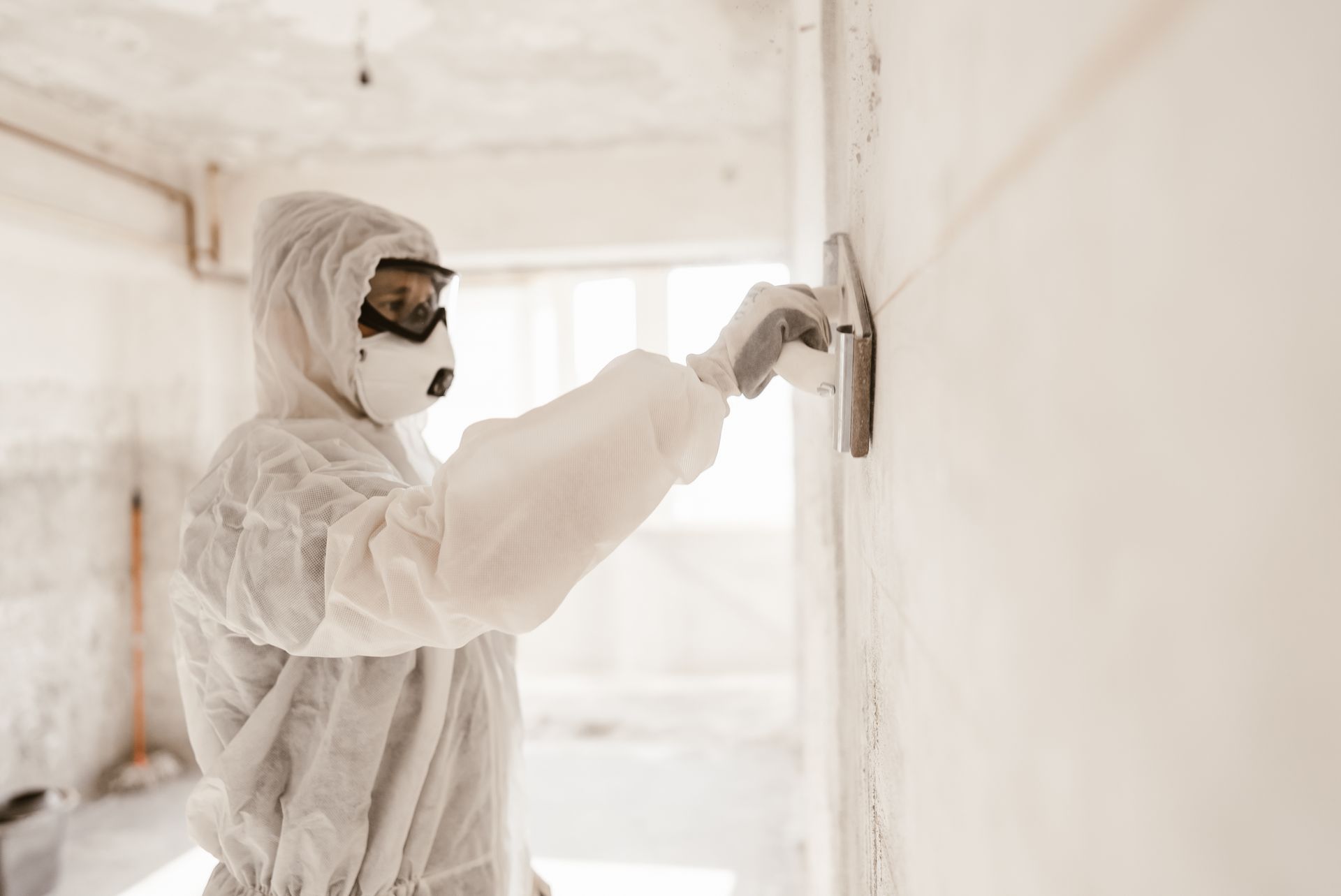
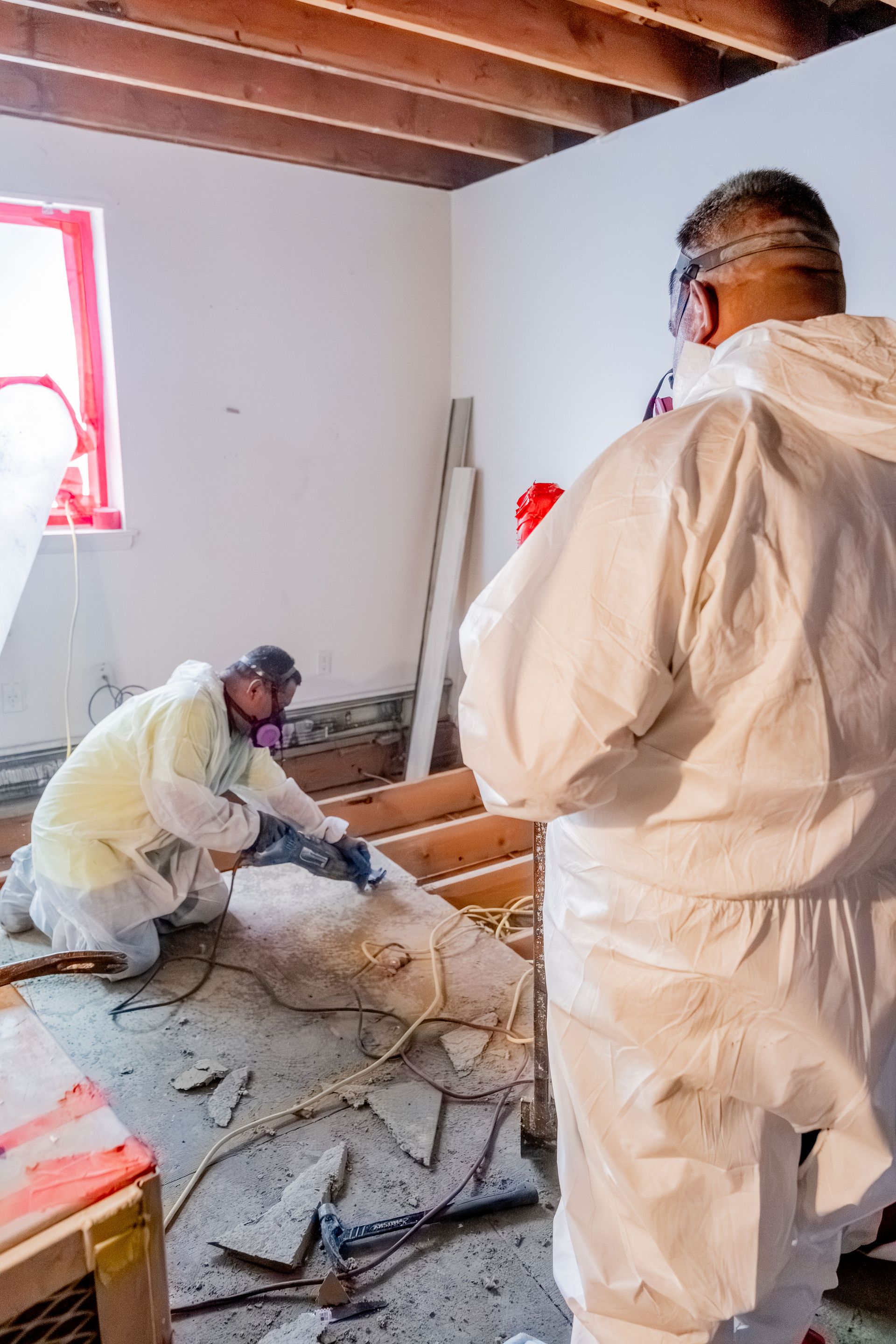
Safe asbestos abatement is a controlled process. It's not just "remove it and throw it away." It's about preventing fibers from spreading.
Licensed Abatement Requirements
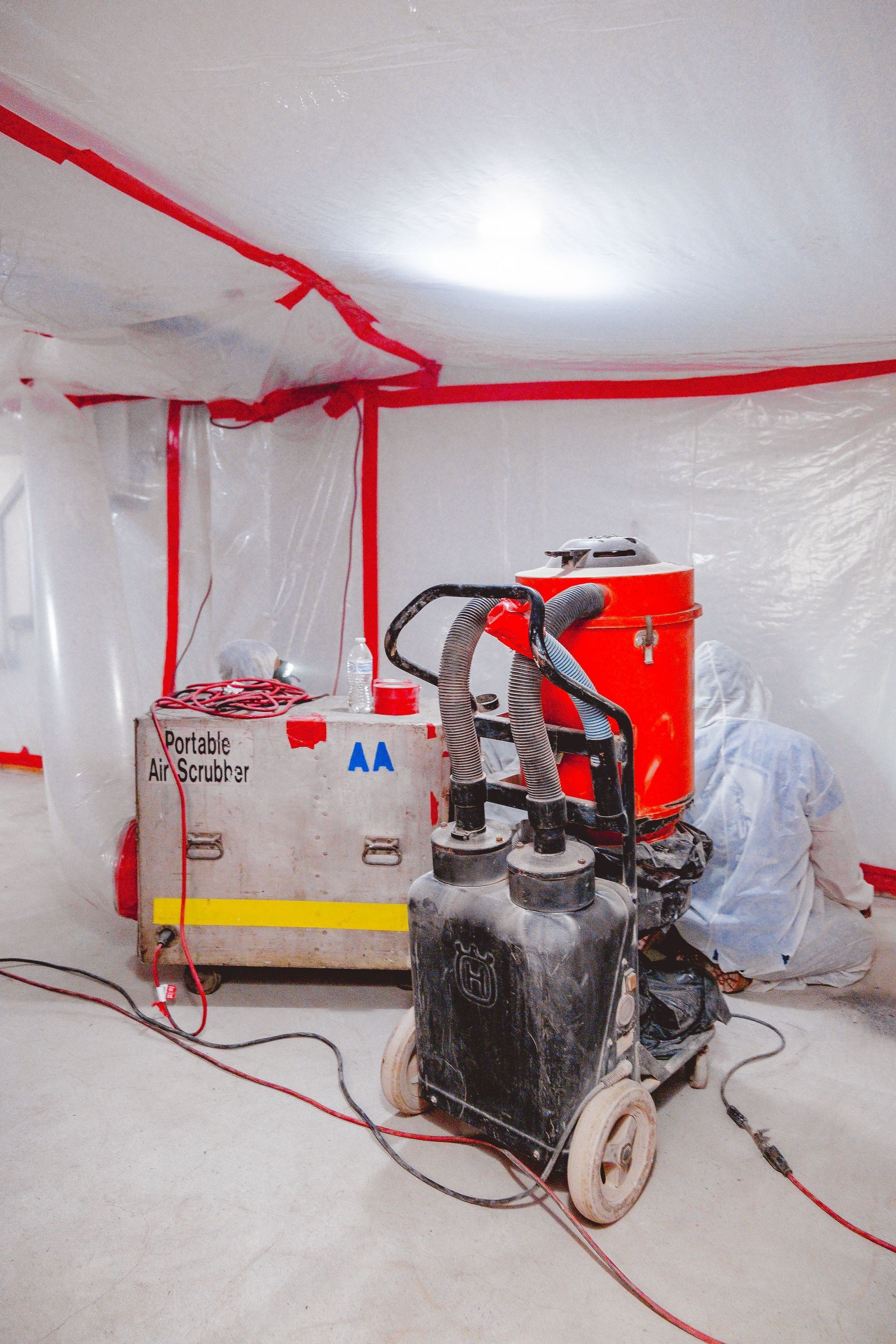
When asbestos is confirmed or strongly suspected in a situation that will be disturbed, removal should be handled by trained professionals who use proper methods and equipment. This often includes:
- Containment barriers (to prevent spread)
- Negative air pressure systems (to keep air flowing safely)
- Wet methods (to reduce airborne fibers)
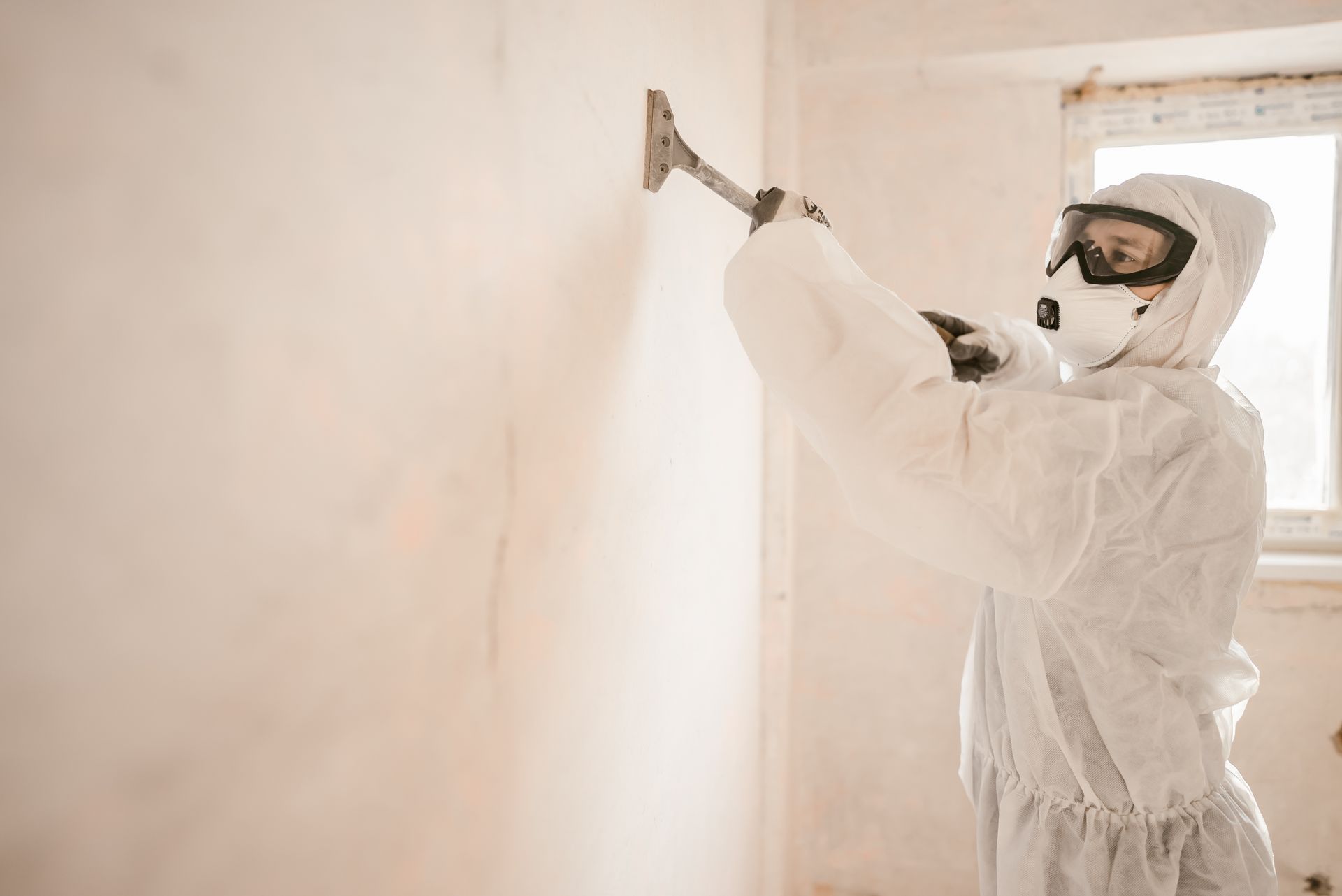
- Protective gear and decontamination procedures
- Legal transport and disposal of asbestos waste
Temporary Relocation During Abatement
Depending on where the asbestos is and how much work is needed, tenants may need to leave the unit during active abatement. This is common when:
- Work is inside the living space
- The project involves demolition, flooring removal, or ceiling work
- Containment blocks access to key areas (bathroom, kitchen, hallway)
The goal is to keep people out of the work zone until the area is proven safe.
Post-Abatement Clearance and Air Testing
After removal, the area should be cleaned carefully and checked before normal use. A strong process often includes:
- Visual inspection to confirm no debris remains
- Clearance testing or air testing when appropriate
- Documentation of what was removed and how it was disposed
This step matters because it helps confirm the space is ready to use again.
Preventive Tips for Renters and Property Owners
Most asbestos problems in apartments start during repairs and renovations. A few habits can prevent major issues.
Routine Maintenance and Inspections
For landlords and property managers:
- Track building age and renovation history
- Keep records of any past asbestos testing or abatement
- Inspect problem areas after leaks, floods, or ceiling damage
- Plan ahead before unit turns and remodels
For renters:
- Report water leaks quickly
- Report crumbling tiles, damaged ceilings, or exposed insulation
- Ask what safety steps will be used before dusty work begins
Avoiding DIY Repairs on Suspected ACMs
Whether you're a tenant doing a small "fix" or a landlord trying to save time, avoid DIY on suspect materials. Common risky tasks include:
- Pulling up old flooring
- Drilling into textured ceilings
- Removing ceiling tiles
- Cutting into drywall around old pipes
- Scraping old adhesives or mastic
If a job will create dust, treat it as a possible asbestos situation until proven otherwise. Learn more about what to do if you suspect asbestos in your Connecticut home.
Hiring Certified Asbestos Professionals
If asbestos may be involved, look for professionals who can clearly explain:
- Whether testing is needed
- What the scope of work includes
- How containment and cleanup will be done
- How waste will be handled and disposed
- What clearance steps will be used afterward
Good contractors don't rush this. They make the process clear and controlled. Understanding asbestos removal costs in Connecticut can help you budget appropriately for safe abatement.
Get Expert Help Today
If you're dealing with possible asbestos in a Connecticut apartment, whether you're a renter trying to stay safe or a landlord trying to handle repairs the right way, getting a professional opinion early can prevent bigger problems later. If you want help with asbestos inspection, testing guidance, or abatement planning, contact Anthony's Abatement to talk through your situation and next steps.
Frequently Asked Questions
Share this Post
Recent Blog