How to Choose an Asbestos Company Near You in CT (7 Questions to Ask)
At Anthony's Abatement, asbestos work is what we focus on, helping Connecticut homeowners, landlords, and property managers handle asbestos the safe way. We see the same problems again and again: rushed demo, "handyman" removal, or a contractor who skips key safety steps. This guide is built from what matters in real projects, so you can hire with confidence and avoid mistakes that put people at risk.
Why Hiring the Right Asbestos Company Matters
When you search "asbestos company near me", you're usually trying to solve a serious problem fast. But asbestos is not like normal construction debris. The wrong choice can create a bigger hazard than what you started with.
Health and Legal Risks of Improper Asbestos Handling
Asbestos is dangerous because it can release tiny fibers into the air when it's disturbed. Cutting, sanding, drilling, tearing out, or sweeping up dry debris can spread fibers into nearby rooms and even shared hallways in multi-family buildings.
The health risk is simple: if fibers get into the air, people can breathe them in. The legal risk is also real: asbestos work often has strict rules around containment, worker training, disposal, and documentation. If a company doesn't follow them, you could end up with failed inspections, project delays, extra cleanup costs, or disputes with tenants, buyers, or insurers.
Importance of Professional Certification and Compliance
A qualified, licensed asbestos contractor should be able to show you clear proof that they're trained and allowed to do the work. A professional team will also follow rules designed to keep fibers contained, protect workers, and keep your property safe.
Even if you're only doing a small job, proper compliance matters. Asbestos doesn't care if the job is "quick." If the material is disturbed, the risk goes up.
What to Look for in a Qualified Asbestos Company
The best asbestos removal experts don't just show up with gear. They plan the job. They explain the process. They keep the site controlled from start to finish.
Proper Licensing and Accreditation in Connecticut
In Connecticut, asbestos work is typically regulated and tied to state requirements for licensing and training. You should expect a company to provide:
- Current licensing information (and license numbers when applicable)
- Proof of worker training for asbestos tasks
- Clear documentation for the project scope and safety plan
- Proof of insurance (including liability and workers' comp)
If a contractor avoids these questions or acts annoyed, that's a warning sign. Learn more about our certifications and what qualifications matter.
Experience With Residential and Commercial Properties
Asbestos in a single-family home is one thing. Asbestos in an apartment building is another. Multi-unit work often means:
- Shared ventilation and common areas
- Tenants and neighbors nearby
- Tight schedules and limited access
- More paperwork and communication needs
Choose asbestos service providers who can explain how they handle occupied buildings, tenant safety, and site control.
Use of Safe and Compliant Abatement Methods
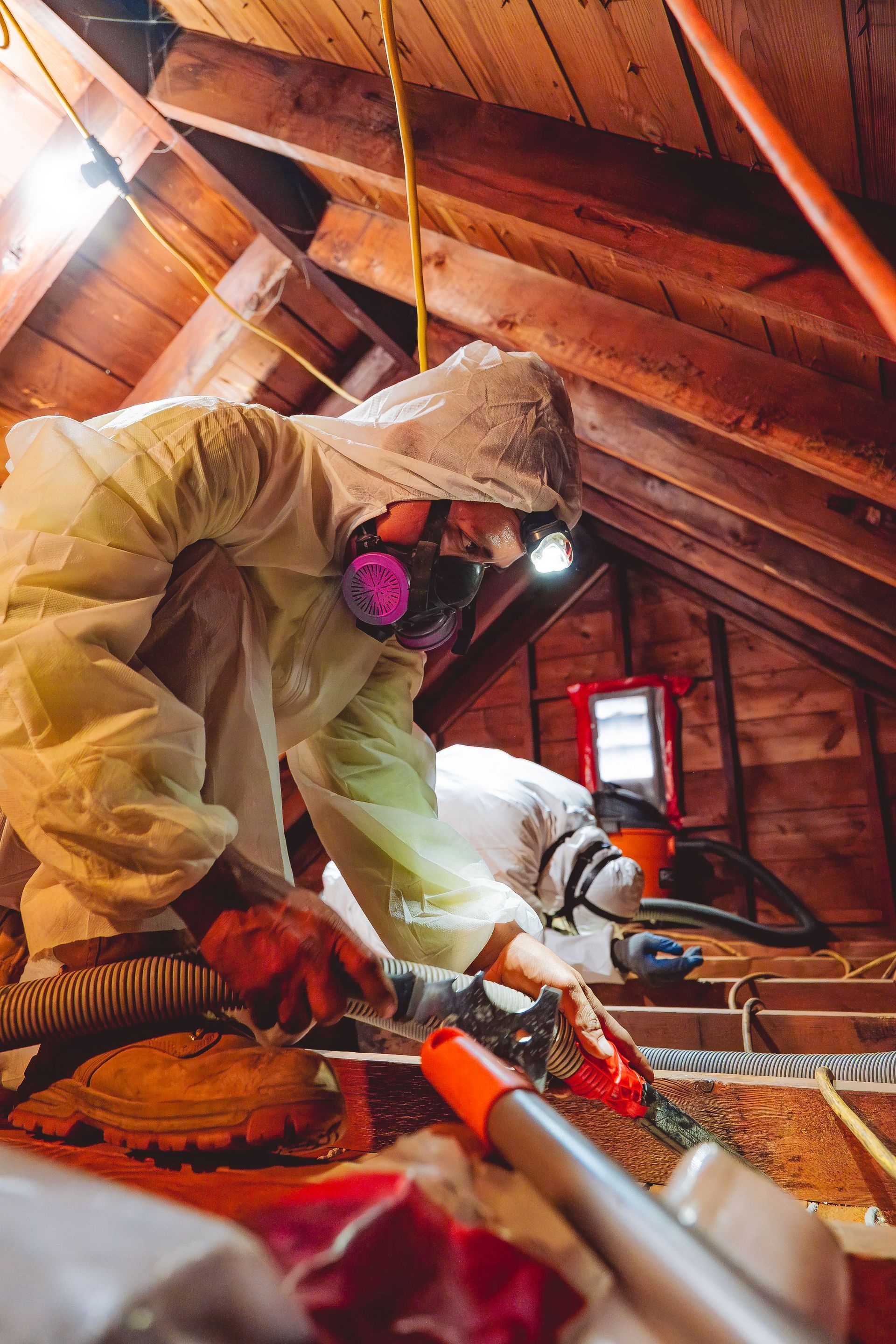
A strong asbestos abatement company should use proven steps that reduce fiber release and prevent spread. While every job is different, you should hear about things like:
- Containment barriers (so dust can't travel)
- Negative air machines (to keep airflow controlled)
- Wet methods (to reduce airborne fibers)
- Careful cleanup procedures
- Proper packaging, transport, and disposal
If you hear "we'll just be careful," that's not a plan. Understanding the asbestos abatement process helps you know what to expect.
7 Essential Questions to Ask Before Hiring an Asbestos Contractor
These are the most important asbestos abatement questions to ask. For each one, you'll see the straight answer first, then what to listen for.
Are You Licensed and Certified in Asbestos Abatement?
Straight answer: They should be able to prove it right away.
Ask for license details and worker certifications/training. A qualified contractor won't dodge this. They'll also understand the difference between asbestos testing, abatement, and general demolition.
What you want to hear:
- They can provide documentation quickly
- They follow Connecticut requirements for asbestos work
- They do not let untrained crews "help" with removal
Can You Provide a Written Scope of Work and Estimate?
Straight answer: Yes, always in writing.
A written scope of work protects you. It clarifies exactly what materials are being removed, what areas are included, how containment will be set up, and what cleanup and disposal look like.
What you want to see included:
- Work areas and material descriptions
- Steps they'll take (setup, removal, cleanup)
- Timeline and what could change it
- What's included vs. not included
- Total cost and payment terms
This is a big part of choosing an asbestos company wisely. If it's vague, it's risky. Get a clear understanding of asbestos removal costs in Connecticut before signing anything.
What Safety Measures Do You Follow During Removal?
Straight answer: They should explain it in plain language.
You don't need a technical lecture. You need clear steps. A professional asbestos cleanup plan usually includes:
- Sealed containment area
- Controlled airflow (often negative pressure)
- Wet removal techniques when appropriate
- Protective gear and decontamination procedures
- Daily cleanup and final detailed cleaning
If the company can't explain their safety steps simply, that can mean they don't have a consistent process. Learn about best practices for effective asbestos abatement.
How Will You Contain and Dispose of Asbestos Materials?
Straight answer: Containment and disposal should be handled as strictly as removal.
Containment keeps fibers from spreading into the rest of the building. Disposal keeps the risk from moving to trucks, dumpsters, or public waste streams.
Listen for:
- How they seal off the work area
- How they prevent cross-contamination
- How waste is sealed, labeled, and transported
- Where it goes (approved disposal processes)
If someone suggests tossing it in a regular dumpster, that's a hard "no." For specific materials like siding, check out guidance on how to dispose of asbestos siding properly.
Do You Handle Asbestos Testing or Work With Third-Party Inspectors?
Straight answer: They should have a clear testing plan.
Sometimes you already have a lab report. Sometimes you don't. Either way, you want a contractor who can explain the right next step.
There are two common approaches:
- They coordinate testing through a qualified asbestos inspection company (or consultant)
- They work with a third-party inspector for sampling and clearance
A good contractor won't push you to "skip testing" if the material is uncertain. They'll help you choose the safest, smartest path. Learn more about asbestos testing services.
Can You Share References or Case Studies From Past Jobs?
Straight answer: They should be able to show proof of real work.
You're not asking for private client info. You're asking for evidence that they've handled similar projects, especially if you have an apartment building, older home, or time-sensitive job.
Good signs include:
- References you can contact
- Before/after photos (when appropriate)
- Examples of similar project types
- Clear explanation of challenges and how they solved them
This helps you check their asbestos contractor credentials beyond a sales pitch. Check out our recent projects and customer reviews to see our track record.
What Post-Abatement Clearance Testing Is Provided?
Straight answer: There should be a clear "finish line" for safety.
After removal, the area should be cleaned and checked. Depending on the job, this can include a visual inspection and/or air testing performed by qualified parties.
Ask:
- What cleaning steps happen at the end
- Whether clearance testing is included or coordinated
- What documents you get after completion
If you're a landlord or property manager, this paperwork can matter later, especially for tenant concerns, insurance, or future renovations.
Red Flags to Watch Out For When Choosing a Contractor
Some problems show up fast. Trust your gut. If the company seems sloppy in the quote stage, they may be worse on the job.
Lowball Pricing Without Proper Details
If one quote is far lower than the others, ask why. In asbestos work, low pricing can mean corners are being cut, like weak containment, minimal cleanup, or unclear disposal.
A fair quote should explain:
- What's included
- What safety steps are part of the price
- What could increase cost (hidden layers, extra rooms, extended timeline)
No Proof of Insurance or Licensing
This is not optional. If they can't provide proof, don't move forward.
A real asbestos abatement services provider should be able to show:
- Licensing and training documentation
- Insurance certificates
- A written plan and scope
No proof = no hire.
Lack of Transparency Around Procedures
If they won't explain the asbestos removal process, that's a problem. You deserve to know:
- How they'll protect your building
- How they'll keep dust contained
- What you should do during the job
- How they'll confirm the site is safe afterward
Professional teams don't hide the process. They make it clear.
Final Tips for Finding an Asbestos Company Near You in CT
Finding a local asbestos remediation team isn't just about distance. It's about trust, proof, and safe work habits.
Use Local Directories and Verified Listings
Start with local options, but don't stop at the listing. When you find an "asbestos company near me," verify details:
- Do they clearly state asbestos services (not just "demo")?
- Do they show licensing and credentials?
- Do they have a real business presence and reviews that mention asbestos work?
A real company should be easy to identify and easy to contact. We serve multiple areas including Hartford, West Hartford, Manchester, and throughout Connecticut.
Compare Multiple Bids From Certified Professionals
Get more than one estimate when possible. Comparing bids helps you spot gaps in scope and safety steps.
When you compare, focus on:
- Containment plan
- Cleanup and disposal plan
- Timeline and communication
- Whether they coordinate testing and clearance
This is one of the best ways to learn how to hire an asbestos contractor without guessing.
Prioritize Safety, Experience, and Communication
The best contractor isn't always the cheapest or the fastest. Choose the team that:
- Explains the plan clearly
- Shows strong documentation
- Has experience with your type of property
- Communicates well from the start
If they're organized before the job begins, they're more likely to run a safe, controlled project.
Get Professional Help Today
If you're in Connecticut and trying to choose the right asbestos contractor, use the questions above to compare your options and protect your property. If you want a professional opinion on your situation, whether you need testing, a hazard assessment, or a clear abatement plan, contact Anthony's Abatement to help you understand your next step without pressure.
Frequently Asked Questions
Share this Post
Recent Blog