Asbestos Inside Ductwork: How to Identify, Remove, and Stay Safe

May 1, 2025

Why Asbestos Was Used in Ductwork

For decades, asbestos was commonly used in HVAC systems due to its fire-resistant and insulating properties. Older homes and buildings, especially those built before the 1980s, may still have asbestos-laden tape or insulation inside ductwork. Over time, this material can degrade, releasing dangerous fibers into the air.

Health Dangers of Asbestos Exposure

When asbestos fibers become airborne and are inhaled, they can lodge in the lungs, causing serious health issues. These include mesothelioma, lung cancer, and asbestosis. Even brief or low-level exposure can be hazardous, making it vital to address any potential contamination in your HVAC system.

How to Know If Your Ductwork Contains Asbestos
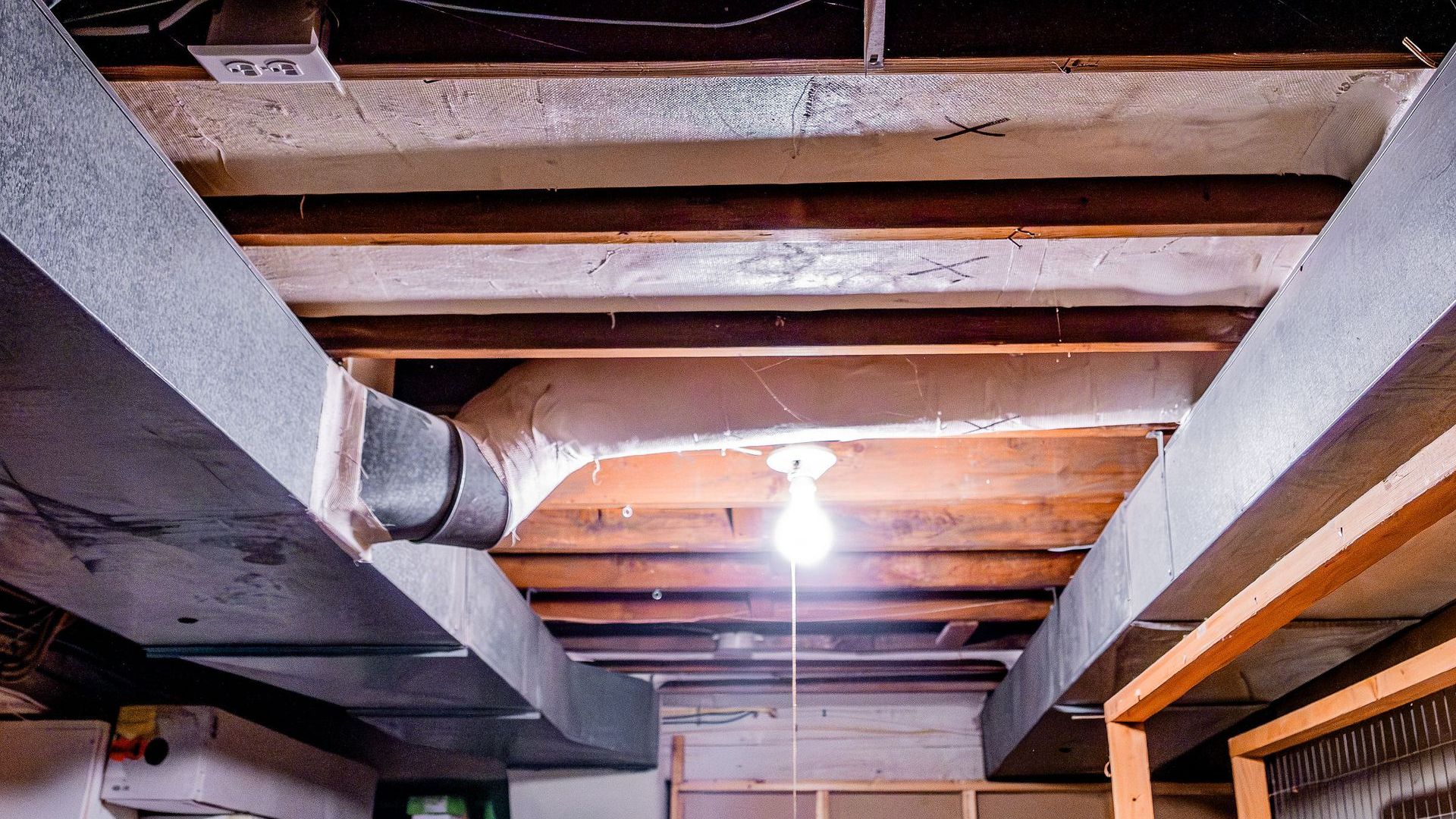
ductwork with asbestos in a basement

Signs of asbestos in your vents or duct insulation may include:

  • White or gray fibrous tape around duct joints
  • Crumbling or flaking insulation in crawl spaces or attics
  • HVAC systems installed before the 1980s

Only professional testing can confirm the presence of asbestos. Do not disturb suspected material yourself.

The Importance of Professional Inspection

Testing ductwork for asbestos must be performed by licensed professionals. A thorough inspection ensures safety, compliance with local regulations, and accurate identification. Professionals also use specialized equipment to avoid fiber release during testing.

What to Do If Asbestos Is Found

If asbestos is present, removal or encapsulation should be handled by certified abatement contractors. Disturbing the material yourself can increase your exposure risk. Anthony’s Abatement offers safe, compliant asbestos removal services for residential and commercial properties throughout Connecticut.

Protecting Your Home and Family Moving Forward

After removal, ensure ongoing safety with:

  • Regular HVAC inspections
  • Duct cleaning by licensed professionals
  • Installation of HEPA filters

Anthony’s Abatement helps Connecticut homeowners restore clean air and peace of mind. Our trained team uses EPA-approved methods to safely remove asbestos from duct systems and other parts of your home.

Frequently Asked Questions

  • Can asbestos be in ductwork?

    Home lead test kits work by employing a chemical reaction that triggers a color change, often to pink, to indicate the presence of lead. It's an efficient and straightforward method for assessing lead levels in your environment.

  • What does asbestos in vents look like?

    XRF analysis offers non-destructive testing, high accuracy, and the capability to detect lead concentrations as low as 1 mg/cm², making it an excellent choice for comprehensive inspections.

  • Is it safe to live in a house with asbestos?

    Living in a house with undisturbed asbestos can be relatively safe, but if the material is damaged or deteriorating, it poses a major health risk. If you suspect asbestos, don’t disturb it — contact a licensed abatement company like Anthony’s Abatement to assess and address the issue.

  • How much does it cost to remove asbestos tape from ductwork?

    Asbestos tape removal can cost anywhere from $1,000 to $3,000+, depending on the extent of contamination, accessibility, and local regulations. In Connecticut, Anthony’s Abatement offers affordable and compliant asbestos removal with free quotes.

  • Can you sell a house with asbestos pipes?

    Yes, you can legally sell a house with asbestos-containing materials like pipes or ductwork. However, you're typically required to disclose the presence of asbestos to potential buyers, which may affect your home’s marketability or value.

Share this Post

Recent Blog

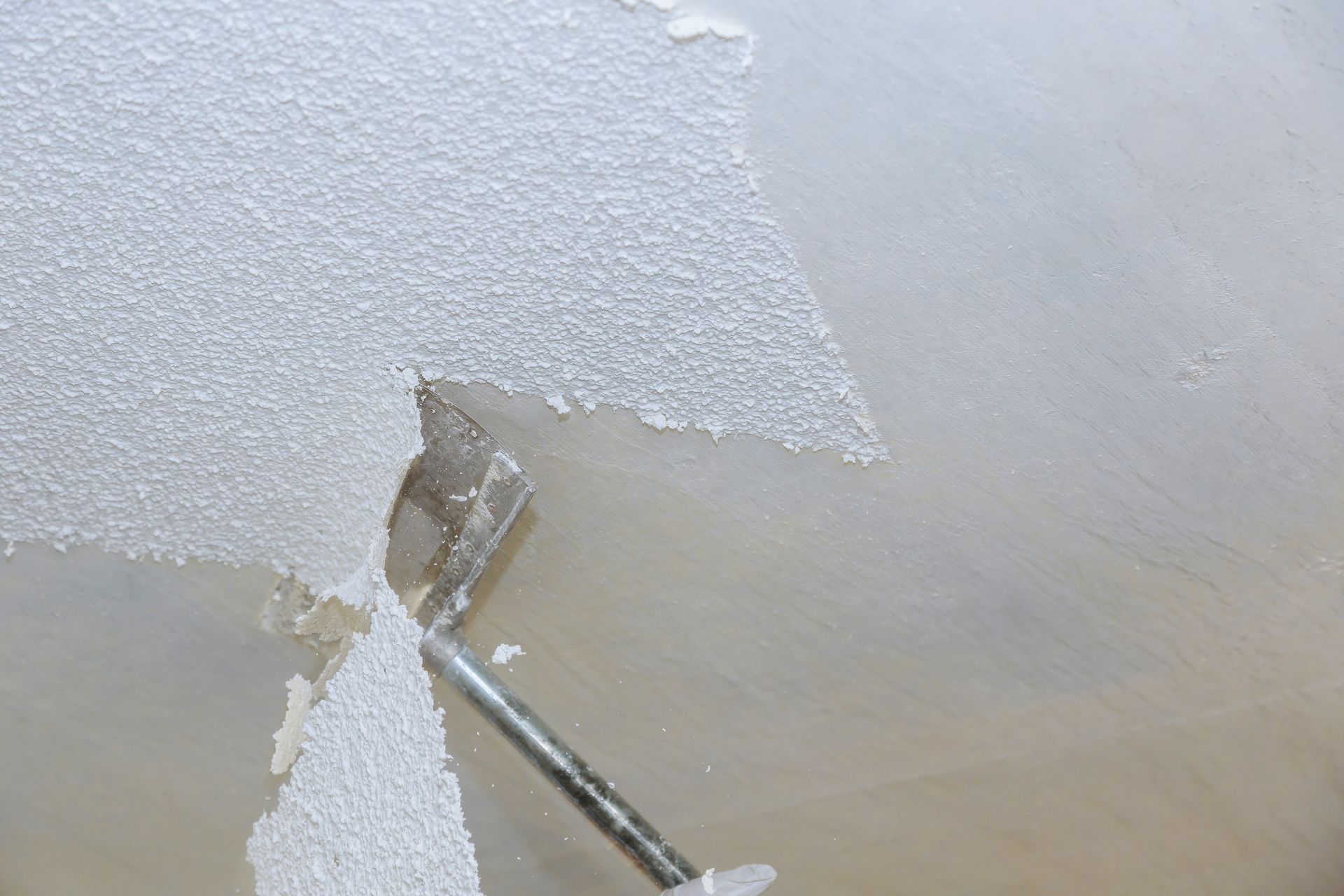
A paint scraper peeling white paint from a textured wall during renovation
June 8, 2026
Built before 1985? Your stucco or popcorn ceiling may have asbestos. Learn warning signs, when testing is critical, and your safe options in Connecticut.
Gloved person sprays cleaner on black mold along a wall and baseboard corner.
June 8, 2026
Worried about black mold on your ceiling? Learn what it is, the causes, health risks, DIY cleaning tips, and when to call a licensed CT mold removal team.
Person in protective gear using a handheld infrared thermometer in a bright lab or clinical setting
May 26, 2026
Find out how professional lead paint testing in Connecticut works, when to schedule it, and what to do if lead is found. Licensed inspectors, XRF accuracy.
Mold and water damage on a white ceiling and wall corner, with dark stains and peeling discoloration
May 26, 2026
Find out what causes basement mold, the early warning signs, the health risks, and when to call a pro. Expert guidance from Connecticut's abatement team.
Person in protective suit holding a small red model house against a gray background
April 22, 2026
Learn what asbestos looks like in floors, ceilings, pipes, and walls. A homeowner's guide to spotting high-risk materials and what to do before you renovate.
A gloved hand uses a long-handled metal scraper to remove textured popcorn ceiling material from a white ceiling.
March 31, 2026
Find out if your popcorn ceiling has asbestos. Learn how to tell, what to do, your options for testing and removal, and what Connecticut homeowners need to know.