Asbestos Inspection CT: What Homeowners Need to Know Before Renovating or Buying
At Anthony's Abatement, we work with Connecticut homeowners, buyers, sellers, and contractors every day on asbestos inspection and testing. Our team includes licensed asbestos inspectors who follow Connecticut Department of Public Health and EPA guidelines. We use independent accredited labs for testing, and we've completed many residential and commercial asbestos inspections across CT. This guide is based on that real-world experience, so you can trust that the information is accurate, practical, and focused on safety, not on scare tactics.
If you're searching for "asbestos inspection CT" because you're about to renovate or buy a home, you're likely wondering:
- Do I really need an inspection, or just asbestos testing?
- When is it required in Connecticut?
- How much does it cost?
- What happens if asbestos is found?
We'll answer those questions up front and then break everything down in more detail.
Quick Answers: Asbestos Inspection vs. Testing in CT
- An asbestos inspection is a full survey of your home to identify materials that might contain asbestos.
- Asbestos testing is when samples are taken and sent to a lab to confirm if asbestos is present.
- In Connecticut, you should plan an inspection before major renovations or demolition, during real estate deals, and anytime a pre-1980 home has damaged old materials.
- A typical asbestos inspection cost in CT for a single-family home often falls somewhere in the low hundreds to under a thousand dollars, depending on size and number of samples.
- After the inspection, you'll receive a written report and lab results, along with clear next steps if asbestos is found.
Now let's walk through each part so you understand exactly what you're paying for and what to expect.
What Is an Asbestos Inspection?
Definition of Asbestos Inspection
An asbestos inspection (sometimes called an asbestos survey in Connecticut) is a detailed check of a building for materials that may contain asbestos.
A certified inspector will:
- Walk through the home or building
- Identify suspect materials (like
old floor tiles, pipe insulation,
siding, etc.)
- Decide which areas need samples taken for lab testing
- Document locations and conditions of these materials
So, an asbestos inspection in CT isn't just a quick glance, it's a structured, documented assessment of your home.
Why It's Important in Connecticut Homes
Many Connecticut homes, especially those built before 1980, used materials that might contain asbestos. These materials are often safe if left alone and in good condition. The danger comes when they are cut, sanded, drilled, or damaged, which can release tiny fibers into the air.
An asbestos inspection helps you:
- Avoid disturbing hidden asbestos during renovations
- Protect your family's lungs and long-term health
- Stay in line with state and local rules for asbestos handling
Difference Between Visual Inspection and Material Testing
- A visual inspection is where the inspector looks for materials that are likely to contain asbestos based on age, type, and condition.
- Material testing happens after that. The inspector carefully collects small samples and sends them for asbestos lab testing in CT at an accredited lab.
Visual inspection alone cannot confirm if something has asbestos. Only lab testing can.
When Do You Need an Asbestos Inspection in CT?
You should consider a licensed asbestos inspection in CT in these common situations:
Before Home Renovations or Demolitions
If you plan to:
- Remove walls or ceilings
- Replace old flooring
- Tear out insulation, boilers, or pipes
- Do major kitchen or bathroom remodels
…you should schedule a pre-renovation asbestos inspection CT first. This helps you avoid accidentally spreading asbestos fibers during the work.
During Real Estate Transactions
If you're buying or selling a home, especially one built before 1980, an asbestos inspection can:
- Give buyers peace of mind
- Help sellers avoid surprises during negotiations
- Provide clear information about any asbestos-containing materials
Some buyers also request an asbestos assessment CT along with their general home inspection.
If a Home Was Built Before 1980
Homes built or renovated before the early 1980s are more likely to have asbestos-containing materials. If your house falls into this group, it's smart to have at least one residential asbestos inspection in Connecticut done before major changes.
When There's Visible Damage to Old Materials
If you see:
- Crumbling ceiling tiles or plaster
- Chipped or broken 9"x9" floor tiles
- Frayed pipe insulation
- Old siding that's cracked or breaking
…you should bring in an inspector for asbestos detection services CT. Damaged materials are more likely to release fibers into the air.
What's the Difference Between Asbestos Inspection and Testing?
Many people search for "asbestos testing CT" when what they actually need is both an inspection and testing.
Visual vs. Sample-Based Analysis
- Inspection = figuring out where asbestos might be.
- Testing = using asbestos sampling CT and lab analysis to know for sure.
The inspector decides which materials are likely enough to contain asbestos that they should be sampled.
What Inspectors Look for On-Site
During an asbestos inspection in CT, the inspector looks at:
- Age of the building and past renovations
- Type of material (vinyl tiles vs. wood, plaster vs. drywall, etc.)
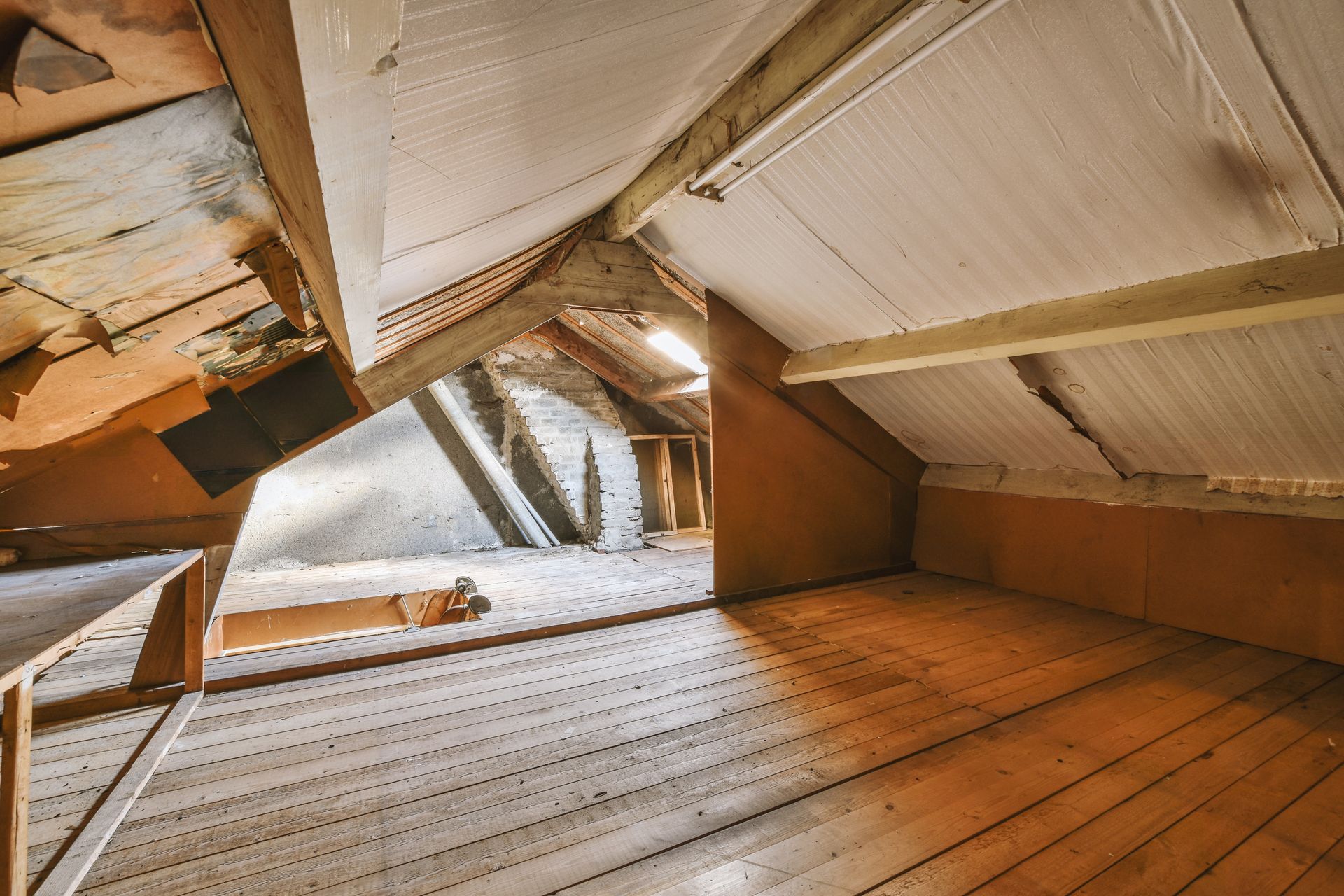
- Location (like boiler rooms, basements, attics)
- Condition (intact, worn, friable, crumbling)
Based on these factors, they choose specific spots for sampling, rather than testing everything.
How Lab Testing Confirms Asbestos Presence
The samples are sent for asbestos lab testing CT, where a technician uses a microscope to look for asbestos fibers. The lab report will list:
- Whether asbestos is present
- The type of asbestos
- The percentage of asbestos in the material
Sometimes, you might also choose an asbestos air quality test CT, especially after removal work or if you're worried fibers are already in the air.
What Materials Commonly Contain Asbestos in Connecticut Homes?
Common materials that may contain asbestos include:
- Floor tiles (especially small, older tiles and the glue beneath them)
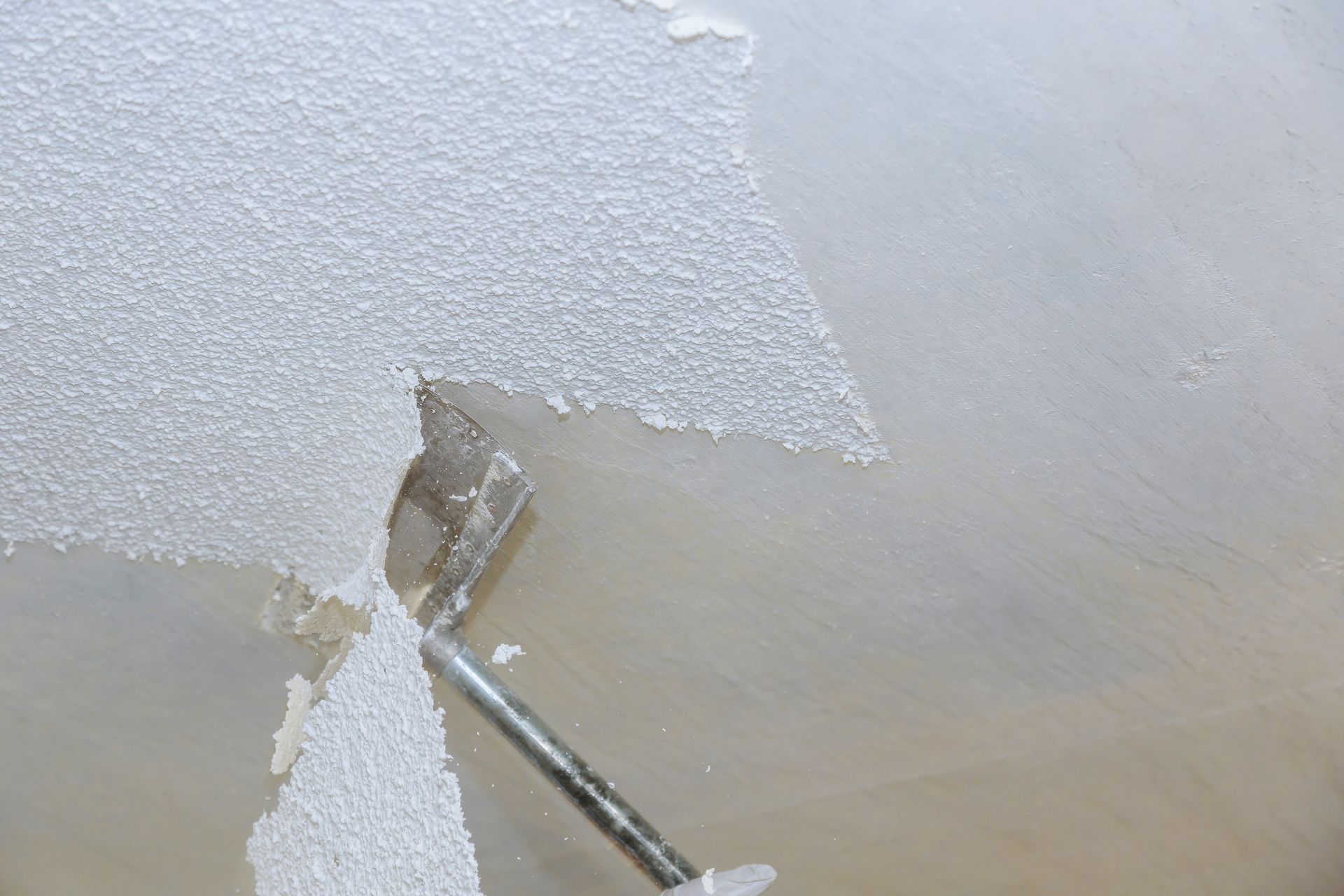
- Ceiling tiles and ceiling texture (like "popcorn" ceilings)
- Pipe insulation and boiler insulation
- Roofing shingles and exterior siding
- Joint compound on walls and ceilings
- Some older vinyl sheet flooring
How Age and Type of Construction Affect Risk
- Pre-1960 homes: More likely to have asbestos in many parts of the home.
- 1960–1980 homes: Still very common in flooring, ceiling texture, and insulation.
- Post-1980 homes: Lower risk but not zero, especially if materials were stored or reused from older stock.
An experienced, certified asbestos inspector in CT will know where to look based on the home's age and style.
How Much Does an Asbestos Inspection Cost in CT?
Most homeowners want to know about asbestos inspection cost CT right away, and that's fair.
Average Cost Range in Connecticut
For a typical single-family home, you can usually expect:
- A basic inspection with a limited number of samples: in the low-to-mid hundreds of dollars
- Larger homes, multiple units, or many samples: can reach the higher hundreds or more
Every property is different, so the only way to get a firm number is to request a quote based on size and scope.
Factors That Influence Price
- Square footage of the home or building
- Number of areas that need sampling (attic, basement, multiple floors)
- How many samples are sent to the lab
- Lab fees and any rush processing
- Whether you need commercial asbestos testing CT in offices, schools, or multi-family buildings
Optional Add-Ons: Air Monitoring and Full Reports
Some owners also request:
- Asbestos air quality tests CT (especially after removal work)
- More detailed written reports for real estate or legal documentation
- Clearance testing after abatement to confirm the area is safe
These extras add cost but can be very valuable for peace of mind and documentation.
What to Expect During the Inspection Process
Knowing the steps helps lower stress. A typical Connecticut asbestos survey and inspection goes like this:
Walkthrough and Visual Assessment
The inspector:
- Reviews any renovation plans
- Walks through the interior and exterior
- Notes suspect materials and areas of concern
Material Sampling Process
If sampling is needed, the inspector will:
- Isolate the area as much as possible
- Carefully remove a small piece of material
- Seal the sample in a labeled container
- Patch or cover the sampled area when appropriate
This is done in a way that minimizes dust and fiber release.
Safety Precautions Taken
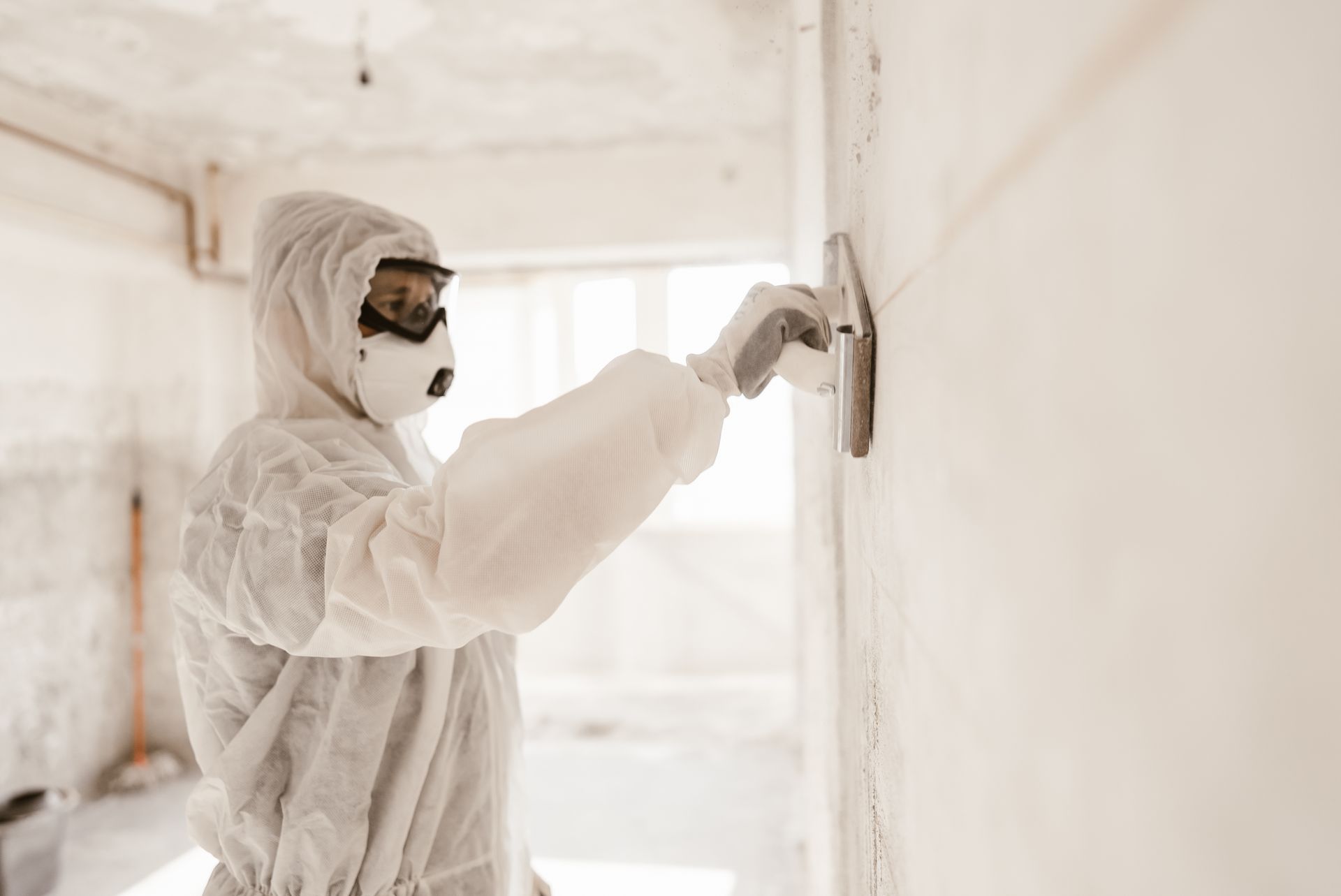
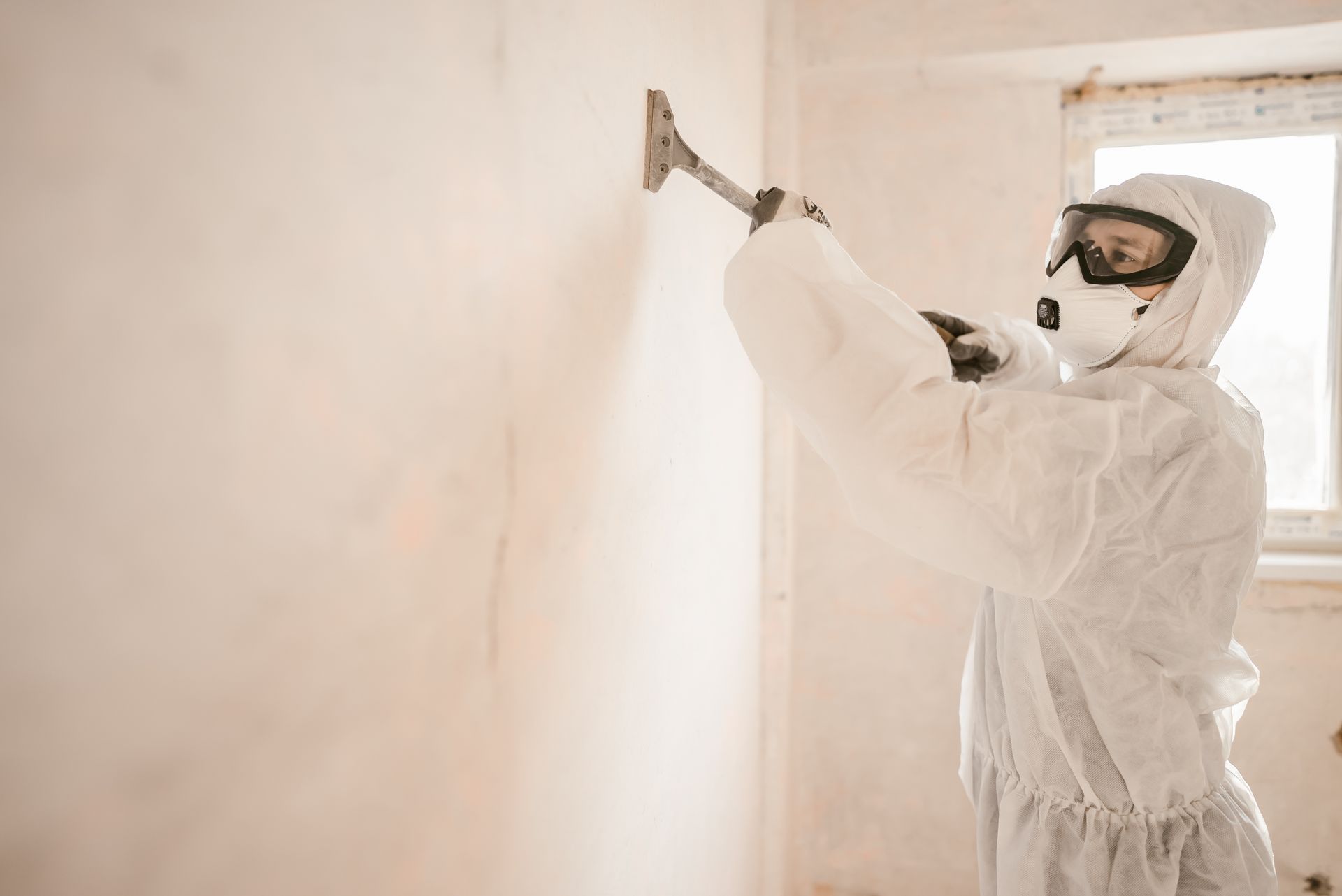
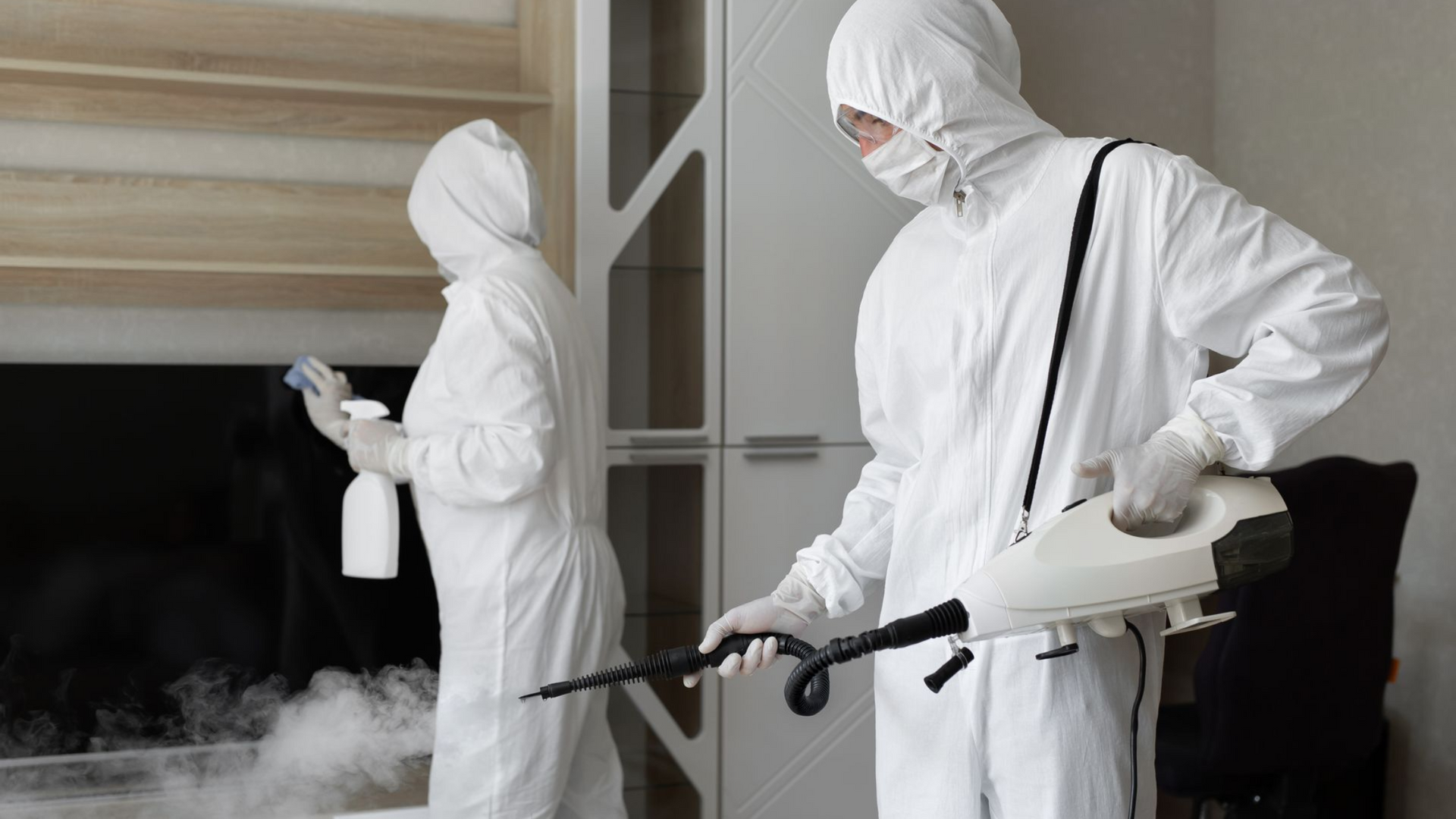
A responsible inspector will use:
- Protective equipment
- Tools designed to reduce dust
- Proper cleanup methods
This is one reason to choose a licensed asbestos inspection CT provider instead of trying to take samples yourself.
Lab Turnaround Time
Most asbestos lab testing CT results come back within a few business days. Rush options may be available if you're on a tight renovation or closing schedule.
Choosing a Licensed Asbestos Inspector in Connecticut
Picking the right professional is just as important as deciding to test in the first place.
CT Licensing and Certification Requirements
In Connecticut, inspectors must:
- Complete state-approved training
- Maintain
current licenses and certifications
- Follow strict rules for sampling, handling, and record-keeping
Always confirm you're working with a licensed asbestos inspector CT rather than a general contractor guessing at materials.
Questions to Ask Before Hiring
When interviewing companies, ask:
- Are you licensed and insured in Connecticut for asbestos inspection and testing?
- How many residential asbestos inspections in Connecticut have you completed?
- Will I receive a written report and lab results?
- Do you also handle commercial asbestos testing CT, if needed?
- How do you handle scheduling, lab turnaround, and communication?
Red Flags to Avoid
Be cautious if a provider:
- Can't clearly show their license
- Offers prices that are far below everyone else
- Refuses to give a written report
- Tries to scare you into unnecessary work
You want someone who is calm, factual, and focused on safety, not fear.
What Happens After the Inspection?
Once the inspection and testing are done, you'll get clear answers.
Reading the Lab Report
The lab report will show:
- Which samples did or did not contain asbestos
- The type and percentage of asbestos
- Exact locations of each sample
Your inspector should walk you through this in plain language.
Next Steps If Asbestos Is Found
Finding asbestos doesn't always mean removal is required right away. Options can include:
- Watching and maintaining materials that are in good condition
- Encapsulating or enclosing certain materials
- Professional removal (abatement) for damaged or disturbed items
Your inspector may provide a general plan and explain which areas are most urgent.
Referrals to Removal Professionals if Needed
Many inspection companies, including Anthony's Abatement, can connect you with licensed asbestos abatement contractors if removal is needed. Even then, you stay in control of what work is done and when.
Why Asbestos Inspections Are Worth the Cost
Health and Legal Risks of Skipping Inspection
Ignoring a needed asbestos inspection can lead to:
- Higher risk of exposure for your family, tenants, or workers
- Problems during future home inspections when you go to sell
- Code or regulatory issues if work is done without proper checks
Peace of Mind Before Renovation or Purchase
A proper asbestos inspection CT gives you:
- A clear picture of what materials are in your home
- Confidence to move forward with renovations or a purchase
- Written documentation you can show to contractors, buyers, or lenders
Potential Cost Savings from Early Detection
Finding asbestos early lets you:
- Plan removal work into your renovation schedule
- Compare quotes instead of rushing in an emergency
- Avoid damage or contamination that could be much more expensive later
In short, a good inspection can save money, time, and stress in the long run.
If you're planning a renovation, demolition, or home purchase and you're not sure what you actually need, asbestos inspection vs asbestos testing in CT, we can help you sort it out.
Anthony's Abatement provides:
- Licensed asbestos inspections in CT
- Professional asbestos sampling and lab testing
- Clear, easy-to-read reports and next steps
You get straightforward answers from experienced professionals, so you can make safe, confident decisions about your home or property.
Ready to schedule or have questions?
Visit our asbestos inspection page or contact us to talk with a licensed inspector about your specific project.
Frequently Asked Questions About Asbestos Inspection in CT
Share this Post
Recent Blog