
When Did They Stop Using Asbestos in Houses? The Complete Timeline
Asbestos use in American homes declined sharply after 1980. Most residential applications were restricted or phased out by the mid-1980s, and a full federal ban is still technically in progress. The most recent milestone came in March 2024, when the EPA finalised a prohibition on chrysotile asbestos, the type most commonly used in commercial products. If your home was built before 1986, there is a real chance it contains asbestos in some form. Here is everything you need to know.
When Was Asbestos Officially Banned in the US?
The short answer: it has not been fully banned yet. Most residential uses ended by the mid-1980s. In 1989, the EPA issued the Asbestos Ban and Phase-Out Rule to prohibit all remaining uses, but the U.S. Fifth Circuit Court of Appeals overturned it in 1991, allowing limited uses to continue. The most significant recent action came on March 18, 2024, when the EPA finalised a ban on chrysotile asbestos, the last type still in active commercial use in the United States. For a full breakdown of how this played out year by year, see the timeline below.
Year-by-Year Asbestos Timeline: 1858 to 2024
1858-1920s: Discovery and Early Industrial Use
Commercial asbestos mining began in earnest in Canada and the northeastern United States in the late 1800s. The material's resistance to heat and fire made it enormously attractive to manufacturers of everything from insulation to brake linings. By the early 20th century, it was a standard ingredient in building materials across North America.
1930s-1960s: Peak Use in Construction and Manufacturing
These decades represented the height of asbestos use in American homes. Builders routinely incorporated it into floor tiles, pipe insulation, roof shingles, drywall compound, and ceiling textures. Government and military contracts during World War II accelerated demand even further. Early medical research linking asbestos to lung disease was largely suppressed by industry interests during this period.
1970: Clean Air Act and the First Federal Regulations
The Clean Air Act gave the newly formed EPA authority to regulate asbestos as a hazardous air pollutant. In March 1971, the EPA formally classified asbestos as one of the first hazardous air pollutants under the Act. This was the opening move in decades of federal regulatory action.
1971-1978: OSHA, Carcinogen Classification, and Early Bans
OSHA was established in 1971 and immediately set workplace exposure limits for asbestos. In 1973, the EPA banned spray-applied asbestos products, including the textured coatings found on millions of ceilings across the country. By 1975, OSHA had formally classified asbestos as a carcinogen and proposed tighter exposure thresholds. The Consumer Product Safety Commission banned asbestos in wall-patching compounds and artificial fireplace embers in 1977, and the EPA banned asbestos in spray-on fireproofing materials used in buildings in 1978.
1980: Residential Asbestos Use Begins to Decline
The convergence of regulatory pressure and public awareness caused a significant shift in home construction practices around 1980. Manufacturers began substituting alternative materials for most residential applications. Homes built after this point are considerably less likely to contain asbestos than those built before it, though the transition was gradual and some asbestos-containing products remained in use for several more years.
1986: Asbestos Hazard Emergency Response Act (AHERA)
AHERA required the EPA to establish regulations for asbestos in schools, mandating inspections, the development of management plans, and training for those handling asbestos-containing materials. While focused on schools, AHERA significantly raised public awareness and set a precedent for professional management over DIY removal.
1989: EPA Attempts Full Ban; Overturned 1991
The EPA's Asbestos Ban and Phase-Out Rule of 1989 was the most comprehensive attempt to eliminate asbestos from the U.S. market. It targeted the manufacture, import, processing, and distribution of asbestos-containing products. Two years later, the Fifth Circuit Court of Appeals vacated most of the rule, finding the EPA had not adequately demonstrated that the ban's benefits outweighed its costs. Several previously banned products remained off the market, but the ruling allowed continued use of others.
2016: TSCA Reforms Strengthen EPA Authority
Congress amended the Toxic Substances Control Act in 2016, significantly expanding the EPA's authority to evaluate and restrict chemicals. Asbestos was identified as one of the first ten chemicals to undergo a formal risk evaluation under the new rules, a process that ultimately led to the 2024 ban.
2024: Chrysotile Asbestos Ban Finalised
On March 18, 2024, the EPA finalised a rule prohibiting ongoing uses of chrysotile asbestos, the only form still in commercial use in the U.S., primarily in the chlor-alkali industry. Affected industries were given compliance timelines to transition to alternative materials. This is the closest the United States has come to a complete asbestos ban.
Does My Home Have Asbestos? A Decade-by-Decade Guide
The single most reliable predictor of asbestos risk in a home is the year it was built. The table below gives a quick reference by build decade. Note that risk levels reflect the likelihood of asbestos being present in original materials. Undisturbed asbestos in good condition is generally not an immediate health threat, but any renovation or damage changes that entirely.
| Build Decade | Risk Level | Common Asbestos-Containing Materials to Check |
|---|---|---|
| Pre-1940 | Very High | Pipe insulation, boiler wrap, floor tiles, roof shingles, plaster, textured paint, window caulk |
| 1940s-1950s | Very High | All of the above, plus drywall joint compound, ceiling tiles, vinyl flooring, HVAC duct insulation |
| 1960s-1970s | High | Popcorn/textured ceilings (pre-1978), spray insulation, floor tiles, roofing felt, siding panels |
| 1980-1986 | Moderate | Remaining floor tiles, some pipe wrap, roof shingles. Verify with professional testing before renovation |
| Post-1986 | Low | Most residential uses had been phased out. Risk is minimal but not zero. Legacy materials may remain in older plumbing and roofing |
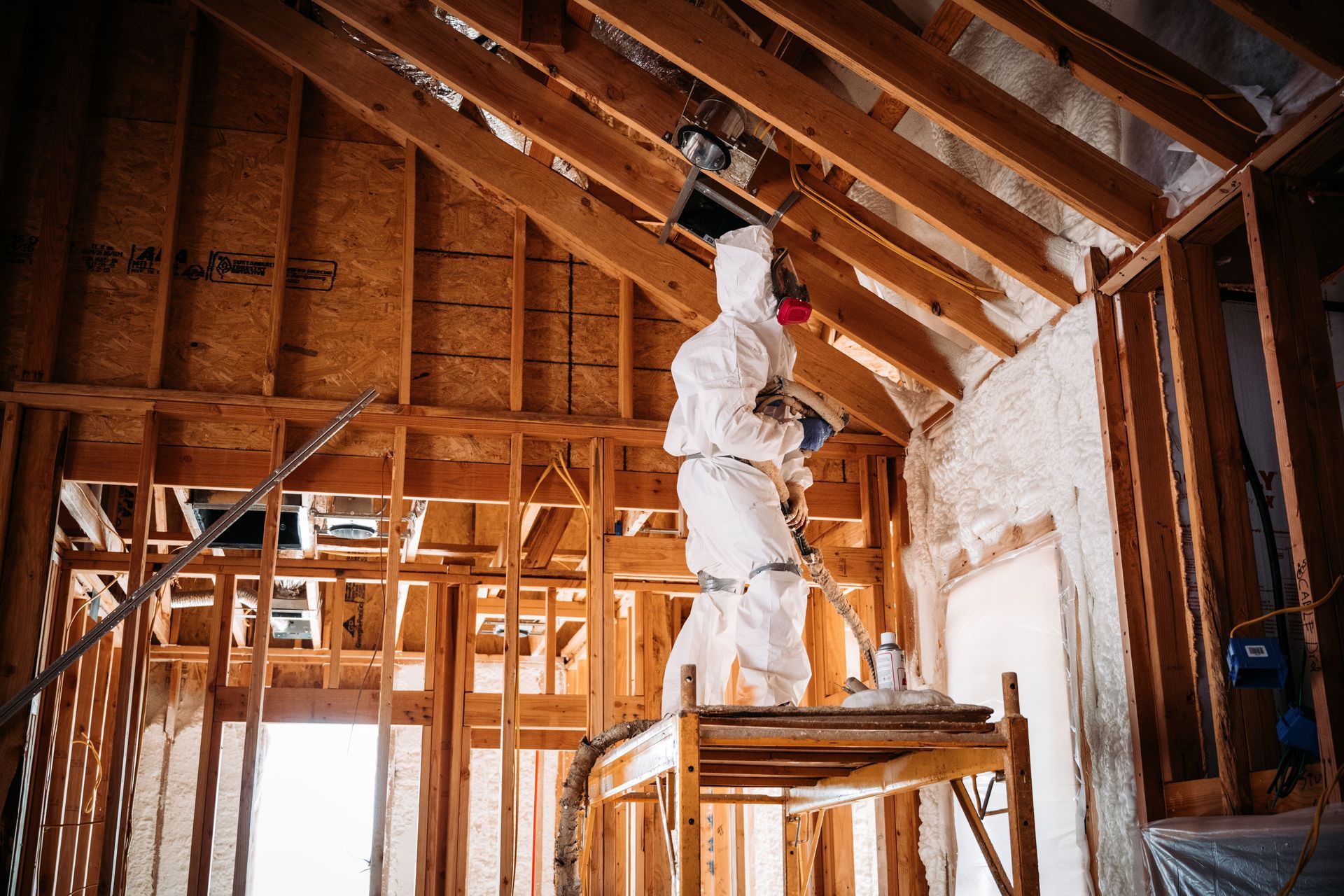
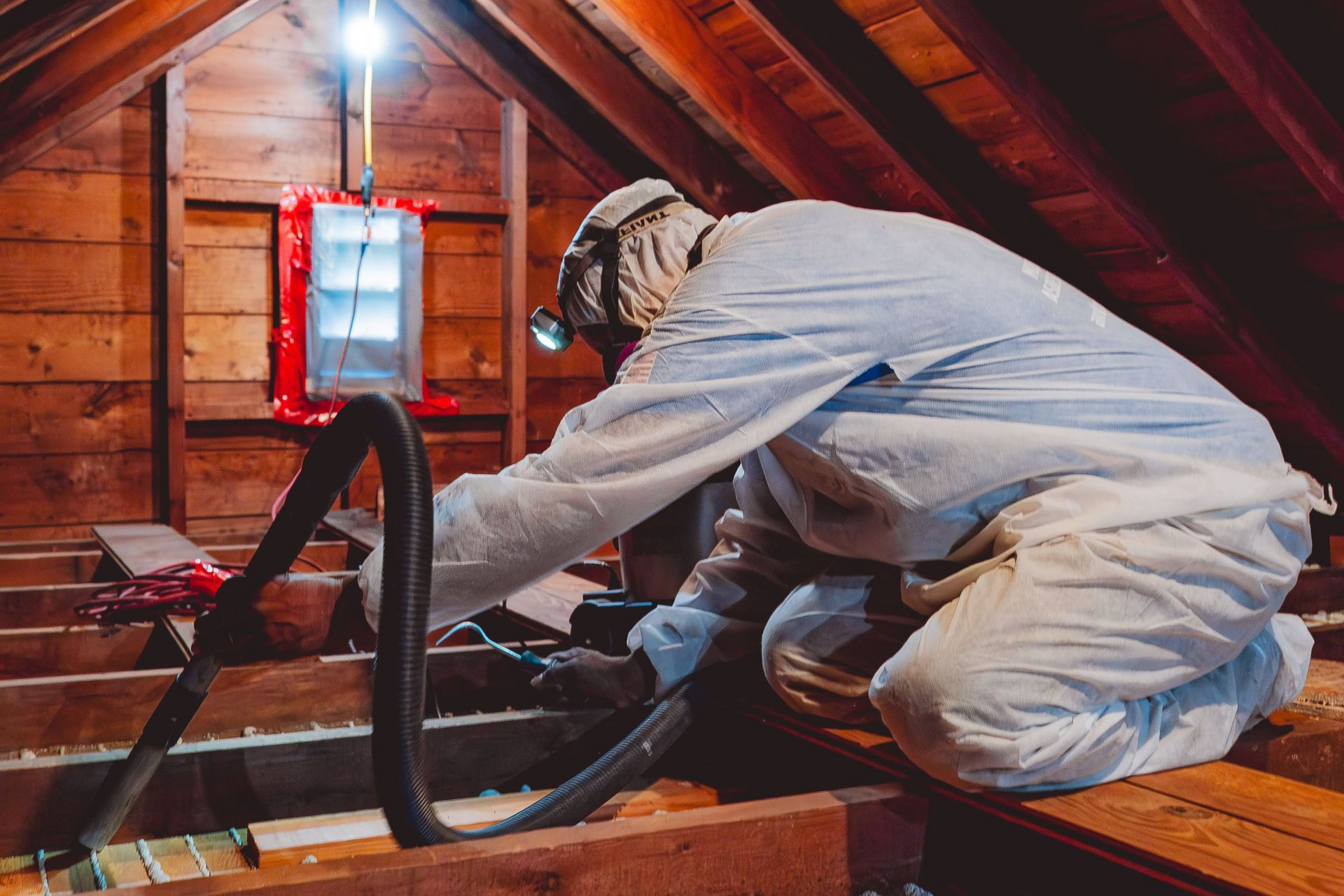
Do not attempt to sample or test materials yourself. If your home falls into a higher-risk decade, arrange professional asbestos testing before carrying out any renovation, repair, or demolition work. A licensed inspector will take samples safely, send them to an accredited laboratory, and give you a written report you can act on.
Where Was Asbestos Commonly Used in Homes?
Asbestos was incorporated into a remarkably wide range of building materials. In older homes, you are most likely to find it in the following locations:
- Pipe and boiler insulation, often wrapped in a grey or white fibrous jacket
- Floor tiles (9x9 inch vinyl tiles are a common indicator) and the adhesive beneath them
- Popcorn and textured ceiling coatings applied before 1978
- Drywall joint compound and textured wall finishes
- Roof shingles and felt underlayment
- Cement siding panels, including some "asbestos shingles" still visible on older homes
You cannot identify asbestos by sight alone. Many of these materials look identical to their asbestos-free counterparts. The only way to confirm presence or absence is laboratory analysis of a sample taken by a licensed professional.
Asbestos in Popcorn Ceilings: When Did They Stop?
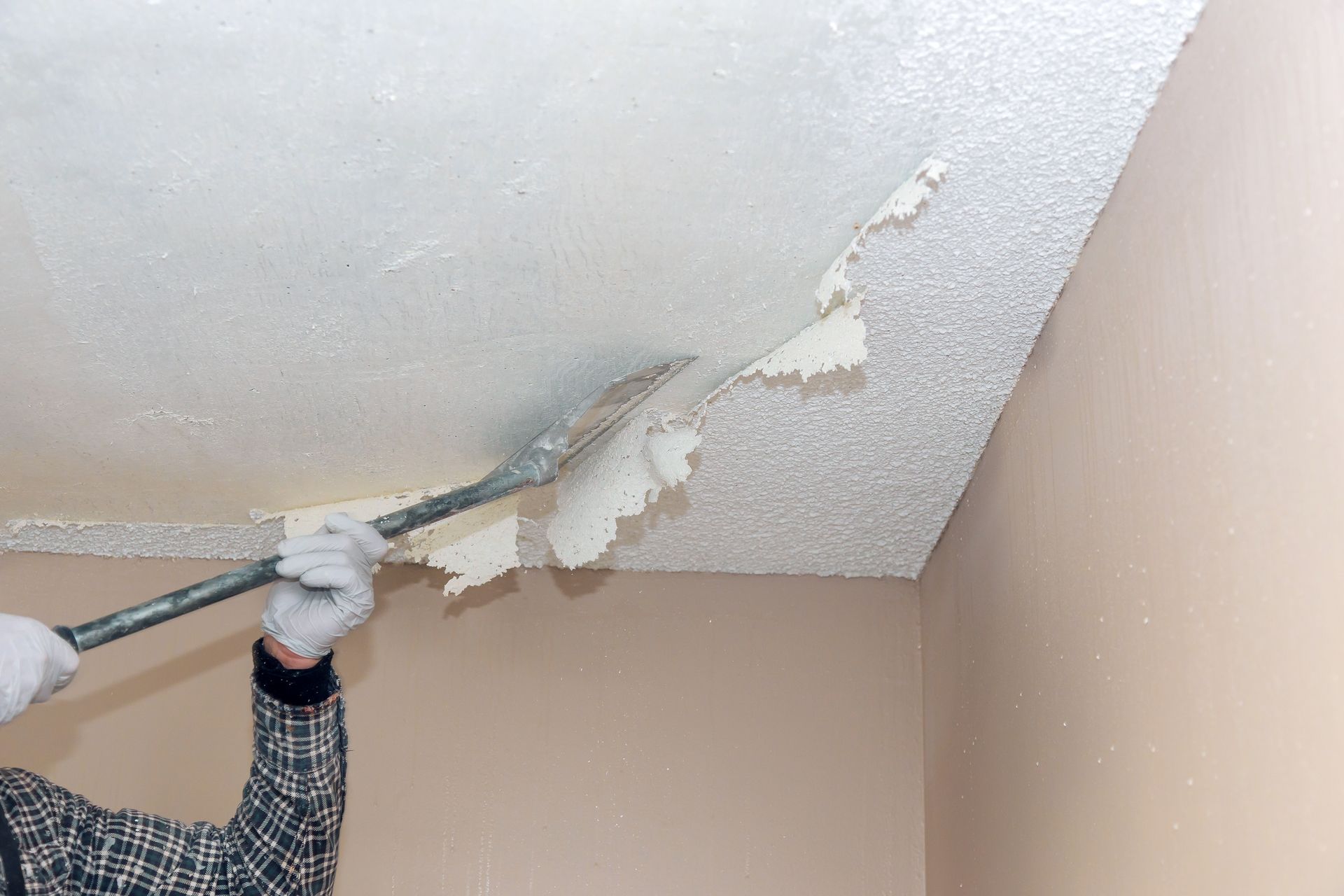
Popcorn ceilings are one of the most common asbestos concerns for Connecticut homeowners, and with good reason. The EPA's 1973 ban on spray-applied asbestos products covered the textured coatings used to create that distinctive bumpy finish. However, the ban only prohibited new spray applications. Manufacturers and contractors were allowed to sell and install existing stock. As a result, asbestos-containing ceiling texture products continued to be applied in homes well into the late 1970s and, in some cases, into the early 1980s.
The asbestos content in popcorn ceiling materials typically ranged from 1% to 10% by weight. At those concentrations, the material is not dangerous if it is in good condition and left undisturbed. The risk arises when the ceiling is scraped, drilled, sanded, or otherwise disturbed during renovation, releasing fine fibers that can remain airborne for hours.
A popcorn ceiling in a home built before 1980 should be treated as potentially asbestos-containing until tested. If your ceiling is showing signs of deterioration such as flaking, water damage, or crumbling texture, do not wait. Deteriorating asbestos-containing material releases fibers even without being touched. Testing is the only way to know for certain, and professional removal is the only safe option if asbestos is confirmed.
For a full guide to this specific issue, including what to expect from a professional inspection and the removal process in Connecticut, see asbestos in popcorn ceilings.
Health Risks from Asbestos Exposure
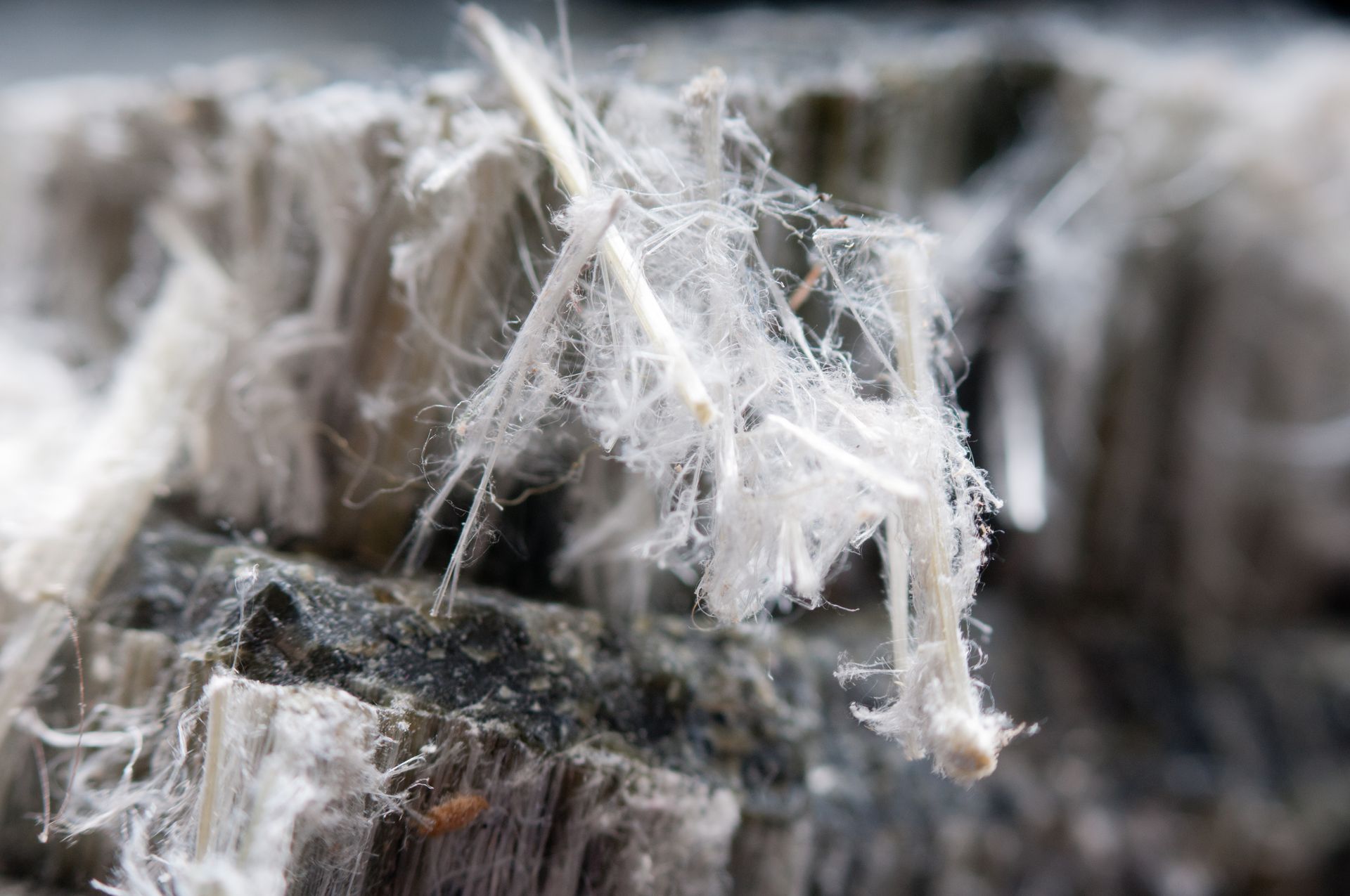
Asbestos fibers are microscopic and can remain airborne for extended periods once released. When inhaled, they lodge in lung tissue and cannot be expelled by the body. The resulting damage accumulates over time and may not produce symptoms for 10 to 40 years after exposure, which is why asbestos-related disease remains a significant public health issue even today.
The three primary conditions associated with asbestos exposure are asbestosis (scarring of lung tissue that impairs breathing), lung cancer, and mesothelioma (a cancer of the lining of the lungs, abdomen, or heart). Mesothelioma is almost exclusively caused by asbestos exposure and carries a poor prognosis. Asbestos exposure is linked to over 40,000 deaths in the United States annually.
There is no established safe level of asbestos exposure. Any detectable fiber count carries some degree of risk. This is why the standard recommendation from the EPA, OSHA, and state health departments is not to disturb suspected asbestos-containing materials and to engage a licensed contractor for any testing or removal.
What to Do If You Suspect Asbestos in Your Connecticut Home
Most homes in West Hartford, Hartford, New Britain, Bristol, East Hartford, Wethersfield, Newington, Windsor Locks, Middletown, and Meriden were built well before 1980. Connecticut's housing stock is older than the national average, which means asbestos is not a historical curiosity here. It is a present reality for a large proportion of homeowners.
If your home was built before 1986 and you are planning renovations, have noticed damaged insulation or ceiling material, or are simply buying or selling a property and need a clear picture of what you are dealing with, the right move is a professional inspection. Do not scrape, sand, drill, or disturb suspected materials before you know what they contain.
Anthony's Abatement serves homeowners across Hartford County and central Connecticut. Licensed under Asbestos License #841, HIC #0656806, and Lead Abatement #CT 002413, the team handles everything from initial professional asbestos testing through full asbestos abatement in Connecticut, including lead paint testing and removal for pre-1978 properties. Call (860) 385-8501 or visit the contact page for a free consultation.
Frequently Asked Questions
Share this Post
Recent Blog