
Asbestos Cement Dangerous: Why It Poses Health Risks Explained
Yes, asbestos cement is dangerous. When it breaks down, it releases fibers that can cause deadly diseases like mesothelioma. This article will explain the risks associated with asbestos cement dangerous and what to do if you find asbestos cement.
Key Takeaways
- Asbestos cement, a blend of asbestos and cement, poses serious health risks, including mesothelioma and lung cancer due to airborne fiber release during deterioration or disturbance.
- Identifying and managing asbestos cement in buildings is essential; it requires professional testing and regular assessments to prevent exposure and ensure safety.
- Safe removal of asbestos cement should only be conducted by qualified professionals, utilizing protective measures and legal avenues available for those impacted by exposure.
Understanding Asbestos Cement

Asbestos cement is a composite material made from 10% to 15% asbestos and cement, combining the strength of cement with the fibrous structure of asbestos. Originally gaining popularity during World War II, asbestos cement was used extensively for constructing temporary military structures due to its affordability and robustness. Marketed as a fireproof and cost-effective alternative to materials like asphalt and wood, it quickly became a favorite in building projects.
This versatile material found its way into various construction applications, including asbestos cement sheets, pipes, and gutters. Asbestos cement roofing, in particular, became a common sight, thanks to its durability and resistance to fire. Its widespread use extended to farmyard buildings, industrial buildings, garages, and sheds, making it a staple in construction and manufacturing industries.
The economic advantages of asbestos cement were a significant factor in its popularity. It was not only cost-effective but also easy to work with and strong, making it an attractive option for various construction needs. However, the long-standing prevalence of asbestos cement, used from the 1930s until about 1980, has left a legacy of health risks that we are still grappling with today.
Identifying Asbestos Cement
Recognizing asbestos cement in your surroundings can be challenging but crucial for safety. This material often appears as a mix of white asbestos and standard cement, typically smooth and gray. It can range in color from light to dark gray, with a distinctive wavy design often seen in asbestos cement roofing and asbestos cement roof. Natural growths like moss on these roofs indicate age and deterioration, which can expedite the release of harmful fibers.
Asbestos cement was widely used in various construction applications, from roofing and building siding to drainpipes and gutters. You might find it in farmyard buildings, industrial buildings, garages, and sheds. Transite asbestos cement pipes were commonly used for water, sewage systems, and drainage pipes, underscoring its extensive use.
However, visual detection alone is not enough. Confirming the presence of asbestos in cement requires professional testing, such as a cement analysis using a water-absorption test. Given the health risks, it is essential to identify and manage asbestos-containing materials properly.
Health Risks of Asbestos Cement
The health risks associated with asbestos cement are severe and far-reaching. The primary disease linked to asbestos exposure is mesothelioma, a deadly cancer that affects the lining of the lungs and other organs. Additionally, asbestos exposure can lead to lung cancer and other serious conditions, making it a significant public health concern. Asbestos diseases are a critical issue that must be addressed.
One of the most insidious aspects of asbestos-related health issues is their long latency period. Symptoms can manifest many years, even decades, after the initial exposure, with some cases taking up to 40 years to develop. This delayed onset means that individuals exposed to asbestos may not be aware of the risks until much later in life. Furthermore, co-exposure to tobacco smoke significantly increases the risk of developing mesothelioma and lung cancer.
Airborne asbestos fibers, released as asbestos cement deteriorates, pose a significant health risk. No safe exposure threshold exists, meaning even small amounts of asbestos fiber in the air can be dangerous. All forms of asbestos, including chrysotile asbestos, are recognized as cancer-causing agents in humans, contributing to various types of cancers.
How Asbestos Fibers Become Airborne
The release of asbestos fibers into the air is a critical factor in the health risks posed by asbestos cement. As these materials deteriorate over time, they can shed harmful fibers. Mechanical stress or degradation, such as cutting, drilling, or breaking asbestos cement products, can also cause fibers to become airborne.
Maintenance or construction activities involving asbestos-containing materials are particularly hazardous. Disturbing these materials can release fibers into the air, increasing the risk of asbestos exposure. The risk of fiber release is even higher during activities like demolition or renovation, where asbestos cement is physically disturbed.
In extreme cases, events such as pipe explosions or building demolitions can release large amounts of asbestos cement debris into the air, posing a serious health hazard. Understanding how these fibers become airborne helps underscore the importance of proper handling and management of asbestos materials.
Occupational Exposure to Asbestos Cement
Workers in construction, demolition, and other related fields face significant health risks due to occupational exposure to asbestos cement. Long-term exposure to asbestos-containing materials can lead to chronic respiratory diseases, including asbestosis.
Construction jobs are a major source of asbestos exposure, contributing to a substantial portion of asbestosis-related deaths.
Specific occupations, such as firefighters, shipyard workers, and industrial workers, are particularly at risk. Firefighters, for example, may encounter damaged asbestos materials during emergencies, elevating their exposure risk. Shipyard workers often deal with asbestos in older materials, and industrial workers face exposure through asbestos components in equipment.
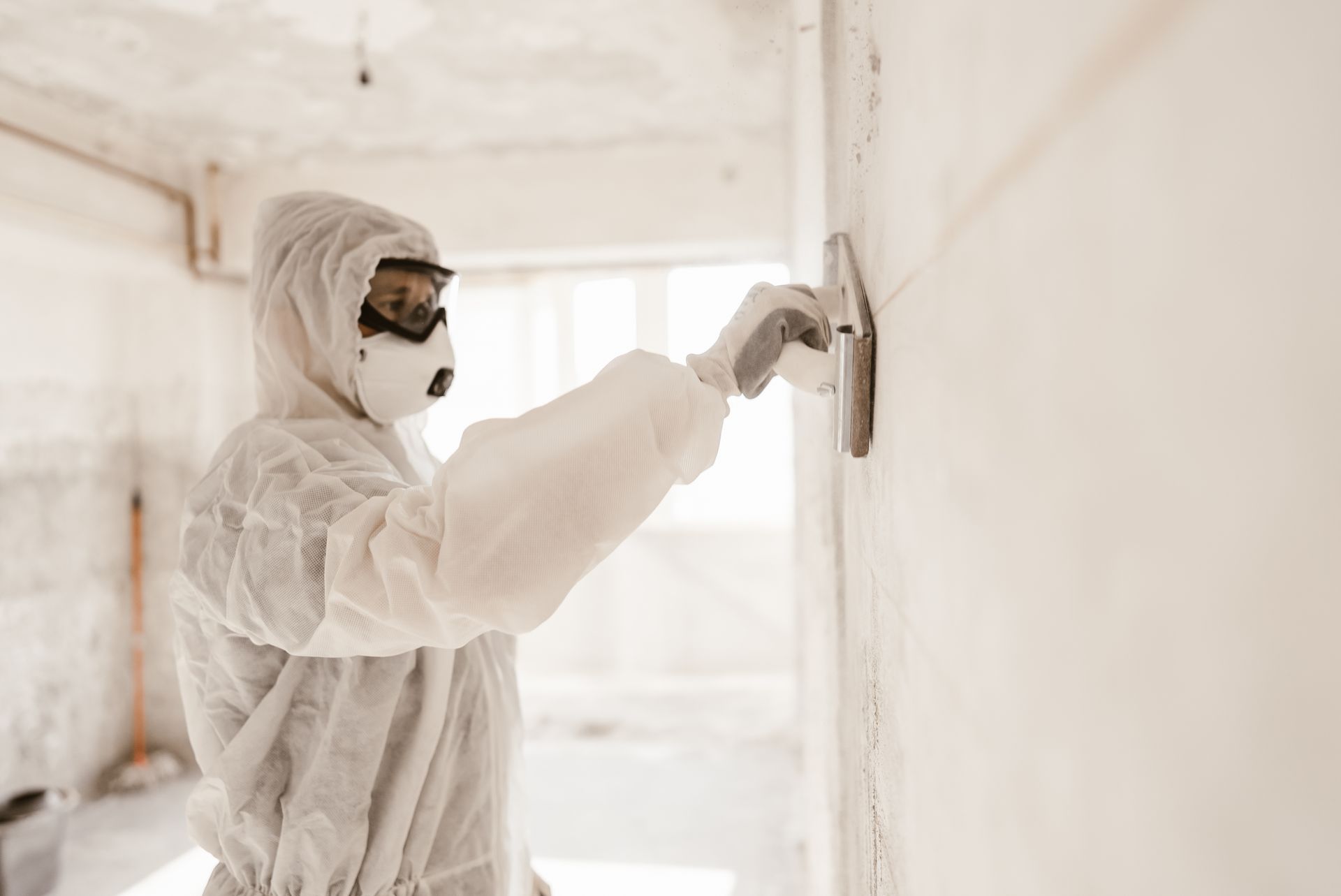
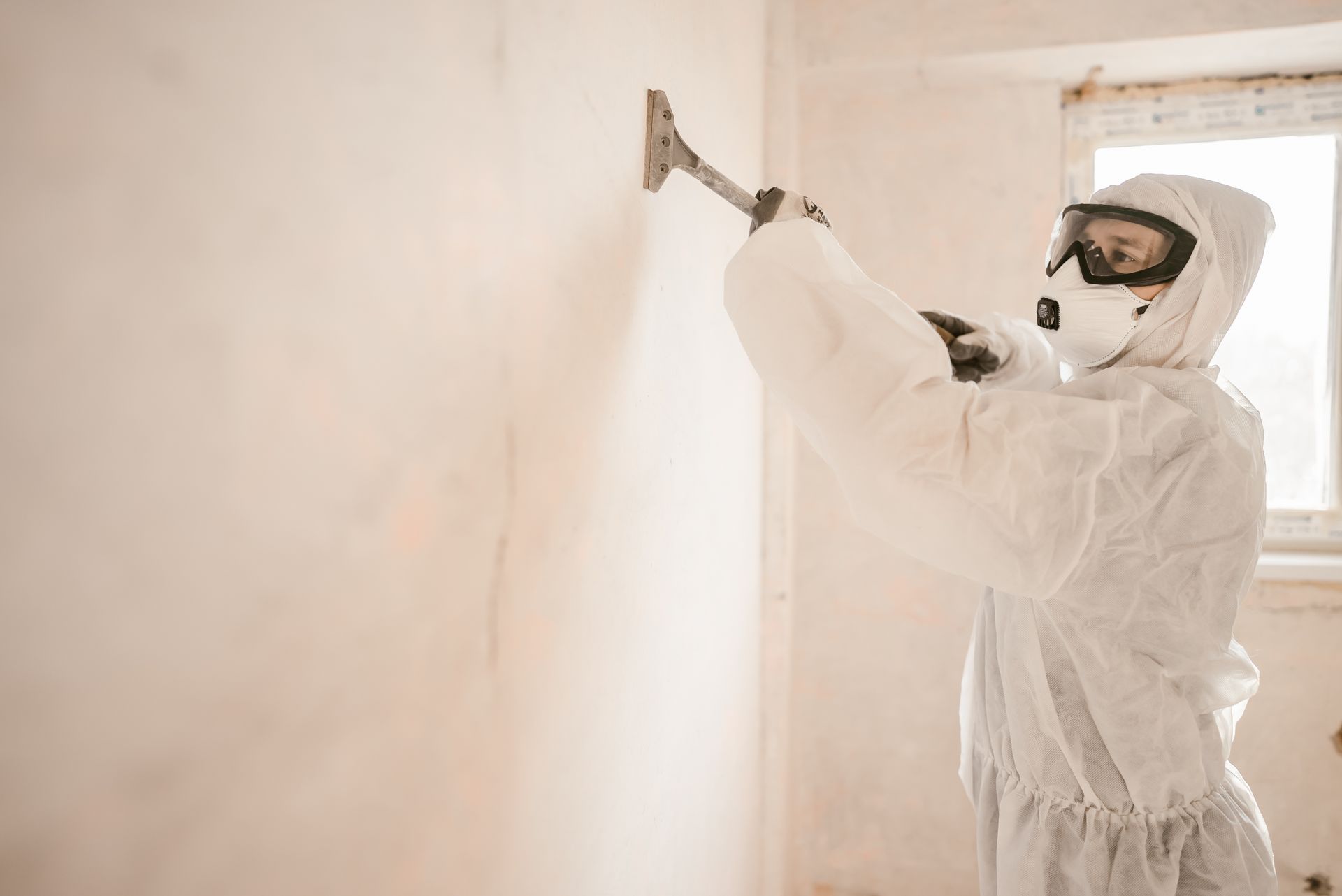
Protective measures and monitoring are essential in workplaces where asbestos is present. Proper occupational safety protocols, including the use of personal protective equipment and regular health monitoring, are crucial to minimize the risks associated with asbestos exposure.
Environmental Exposure from Asbestos Cement
Asbestos cement roofing materials continuously emit asbestos fibers into the environment, contributing to environmental exposure. Natural weathering of these materials exacerbates this issue, as weathered asbestos cement roofing can release fibers into the ambient air. This ongoing passive emission of asbestos fibers from weathered roofing has been a concern since it was first demonstrated in 1979.
The risk of exposure increases when asbestos-containing materials are actively moved or become old and friable. Projects involving tearing up and replacing old asbestos cement are expected to increase environmental exposure in the future. It is essential to manage these materials properly to mitigate environmental risks.
Managing Asbestos Cement in Buildings
Managing asbestos cement in buildings requires regular assessments to monitor the integrity of these materials. Business owners are obligated to keep an eye on the condition of asbestos and arrange for removal if it starts to deteriorate. Following specific safety protocols during renovations is crucial to prevent asbestos exposure.
Personnel involved in asbestos management and abatement must undergo proper training and certification. Decontamination units are necessary to prevent workers from carrying asbestos fibers outside the work area.
If removal isn’t feasible, encapsulating asbestos cement can help minimize the risk of fiber release. Documenting asbestos management plans and actions taken ensures compliance with regulations and provides a clear history of the building’s asbestos management.
Safe Removal of Asbestos Cement
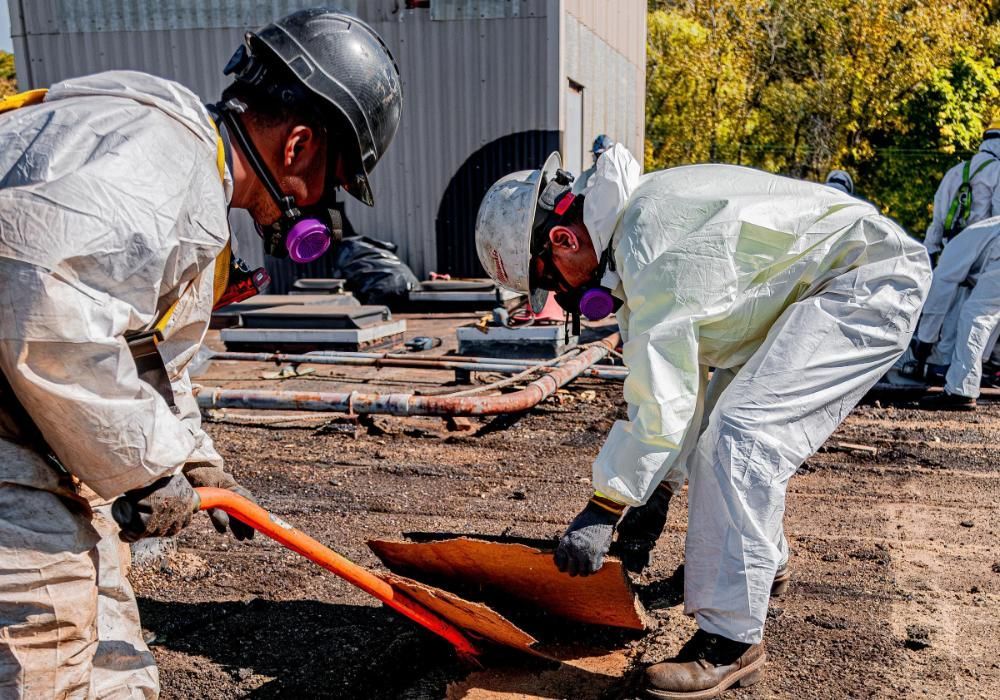
Safe removal of asbestos cement is a task that should only be handled by qualified experts to ensure compliance with safety regulations. If you have any doubts about removing asbestos cement, it is advisable to consult a professional asbestos removal company. Controlled conditions are necessary for removing asbestos cement roofing, and this should be done at the earliest opportunity to minimize risks.
If the asbestos cement is badly damaged, a risk assessment is necessary to determine the appropriate response. Authorities must be notified if there is a risk of major damage to asbestos cement to ensure proper management.
The work area must be isolated and sealed to prevent contamination of surrounding spaces during asbestos removal. Personal protective equipment, including specialized respirators, is essential for those involved in asbestos removal. Asbestos waste must be wetted, double-bagged, and disposed of in designated landfills to ensure safe handling.
Legal and Compensation Issues
Individuals exposed to asbestos cement have legal avenues to pursue compensation, including lawsuits, settlements, and claims through asbestos trust funds. The timeline for receiving compensation can vary, taking several months to years, depending on the complexity of the case and jurisdictional deadlines. Asbestos attorneys assist victims by providing guidance on compensation options, helping with legal processes, and representing them in potential lawsuits against negligent parties.
Family members of individuals exposed to asbestos may also file claims seeking compensation for secondary exposure. These legal options are crucial for providing financial support to asbestos victims and holding responsible parties accountable.
Summary
Asbestos cement, once a widely used construction material, poses significant health risks due to its potential to release harmful asbestos fibers into the air. Identifying asbestos cement in buildings, understanding the health risks, and taking appropriate measures to manage and remove it safely are essential steps in protecting public health.
By raising awareness about the dangers of asbestos cement and promoting proper handling and abatement practices, we can mitigate the risks and ensure a safer environment for everyone. Take action today to protect yourself and others from the hidden hazards of asbestos cement.
Frequently Asked Questions
Share this Post
Recent Blog